In 539 BCE Cyrus the Great, king of Persia, took Babylon. The book of Ezra credits him with an edict allowing the Judeans to return to Jerusalem and rebuild the Temple.
The Cyrus Cylinder
Found at Babylon in 1879 and kept in the British Museum, this clay cylinder written in Akkadian proclaims the Persian king's policy: Cyrus presents himself as chosen by the god Marduk and claims to have returned divine statues to their sanctuaries and brought displaced peoples home. It mentions neither the Judeans nor Jerusalem, but it illustrates the policy of religious tolerance within which the return from exile described in Ezra 1:1–4 took place.
The province of Yehud
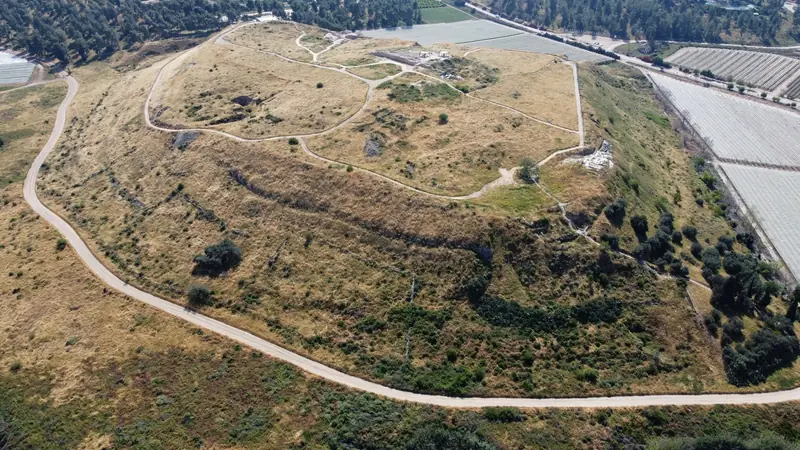
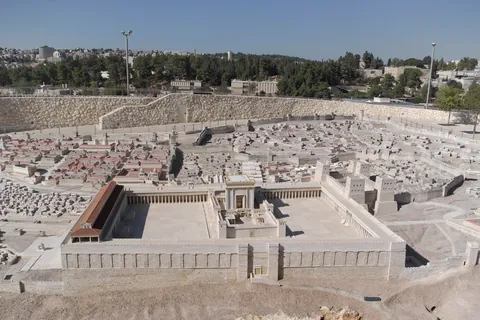
The exiles returned in waves: under Sheshbazzar and Zerubbabel, then with Ezra and Nehemiah in the 5th century. The Temple, rebuilt more modestly at the urging of the prophets Haggai and Zechariah, was completed around 516–515 BCE (Ezra 6:15). Excavations show a gradual and limited reoccupation of Jerusalem in the Persian period: the city then shrank essentially to the hill of the City of David. Seal impressions and small silver coins bearing the Aramaic inscription "Yehud" bear witness to the revival of the province under Persian administration, one of whose administrative centres was at Ramat Rahel, south of Jerusalem.
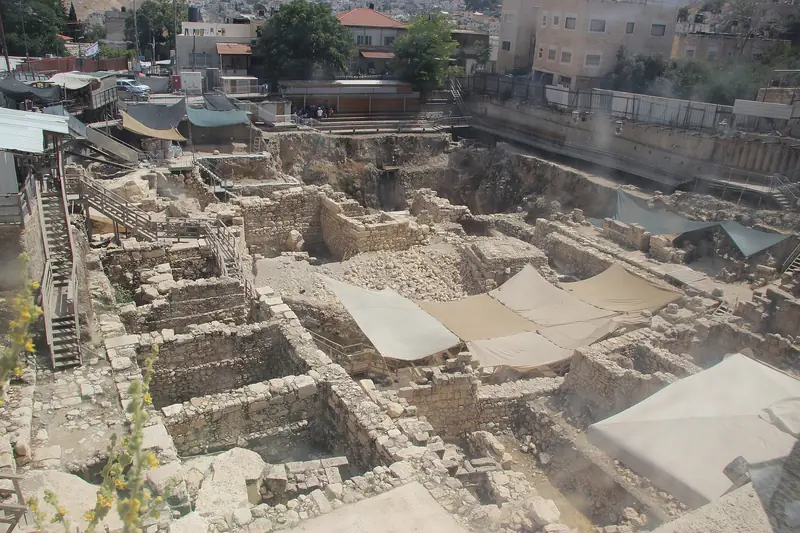
Nehemiah, cupbearer to King Artaxerxes I, obtained permission around 445 BCE to rebuild the walls of Jerusalem. Eilat Mazar proposed identifying a section of his wall in the City of David; other archaeologists date these remains to the Hasmonean period. Far away, the Aramaic papyri of Elephantine in Egypt also illuminate the era: this Judean military colony wrote around 407 BCE to Bagohi, governor of Judah, seeking permission to rebuild its temple of Yahu, and a letter of 419 BCE deals with the Festival of Unleavened Bread.
The period ends in 332 BCE, when Alexander the Great conquered the region, opening the Hellenistic age and the next chapter of the Second Temple period. For the centuries before the exile, see Judges and Kings.

 Story 1 · The fall of JerusalemLimited access