
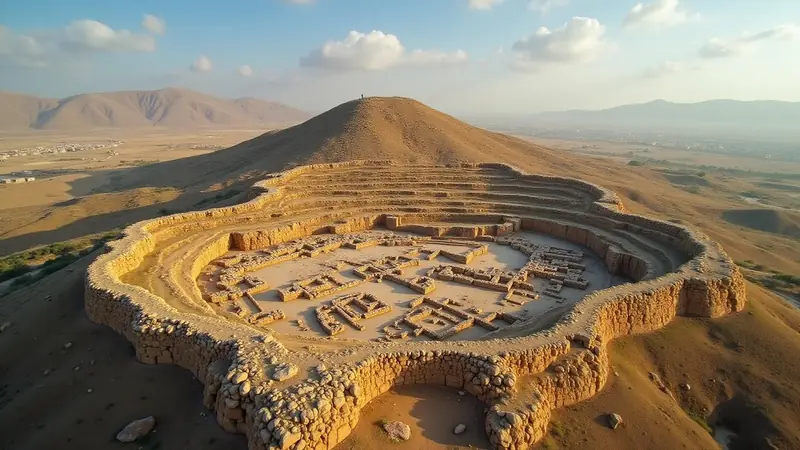
Shechem (Tel Balata) – Abraham's First Altar in Canaan
Between Mount Ebal and Mount Gerizim, the place of God's first promise and Abraham's first altar in the Promised Land (Genesis 12:6-7).
All our place guides on one map: biblical background, archaeology, GPS directions and visitor tips, grouped by major period.
Between Mount Ebal and Mount Gerizim, the place of God's first promise and Abraham's first altar in the Promised Land (Genesis 12:6-7).
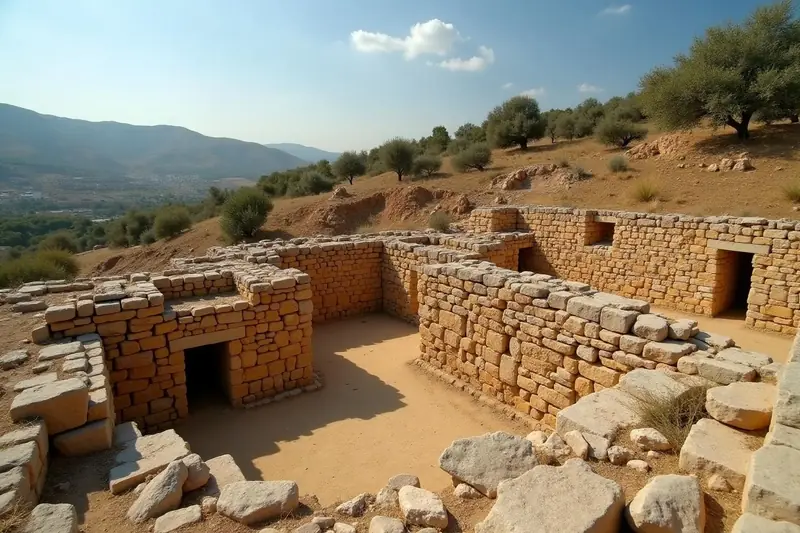
After Shechem, Abraham builds an altar "between Bethel and Ai" and calls on the name of the LORD, then returns there after his stay in Egypt (Genesis 12:8; 13:1-4).
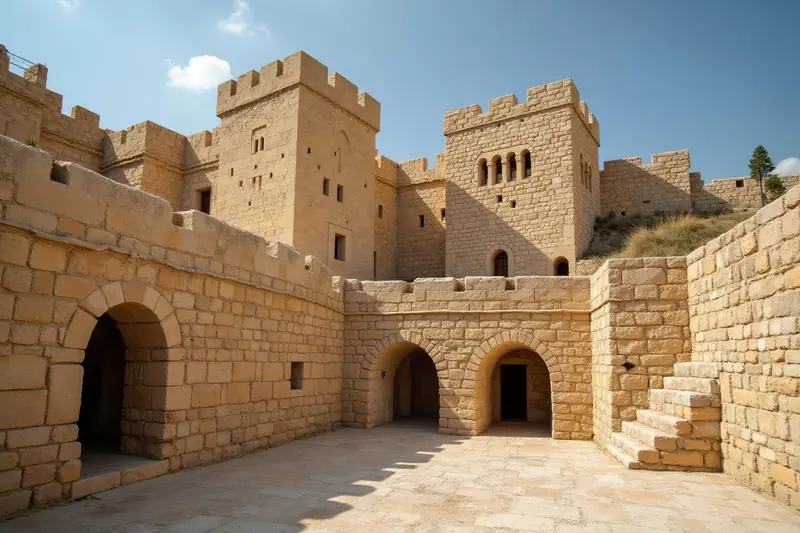
A sacred site venerated by the three monotheistic religions, the traditional burial place of Abraham, Isaac and Jacob.
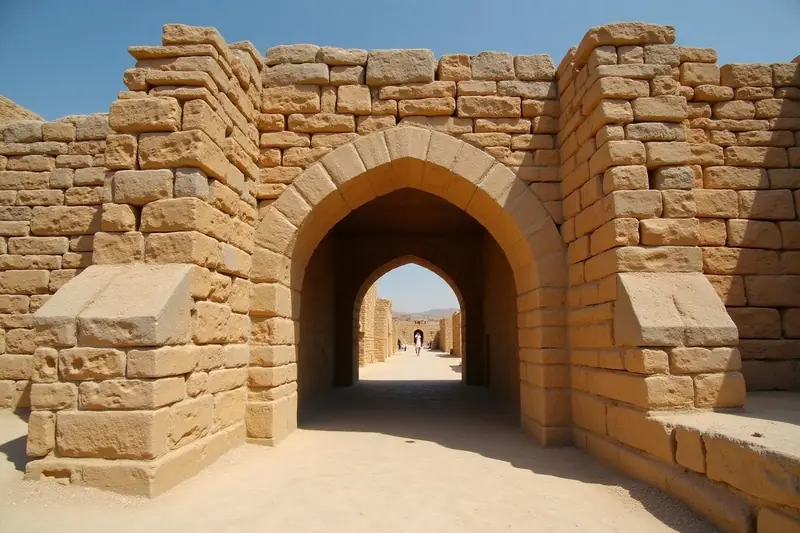
From Genesis 14 to the "House of David" stele: archaeology, nature and biblical history at the springs of the Jordan.
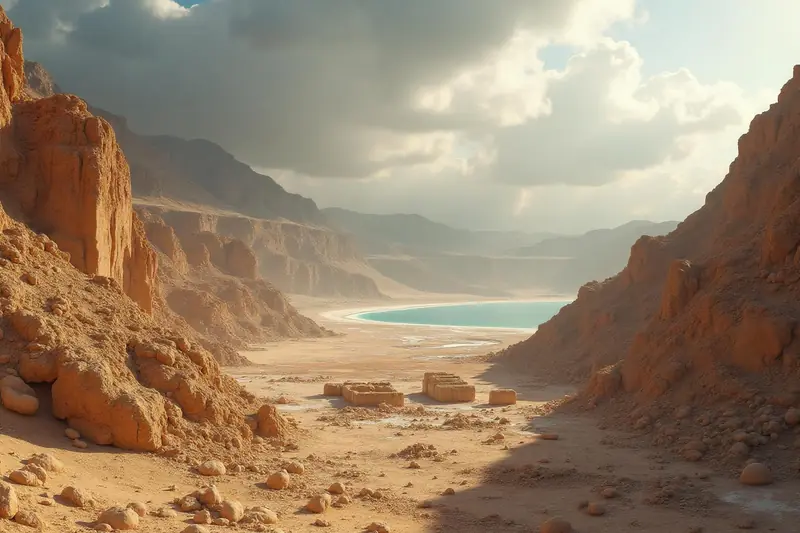
From the Genesis narrative to the excavations at Bab edh-Dhra and Tall el-Hammam: what we know — and what we do not — about the cities destroyed near the Dead Sea.
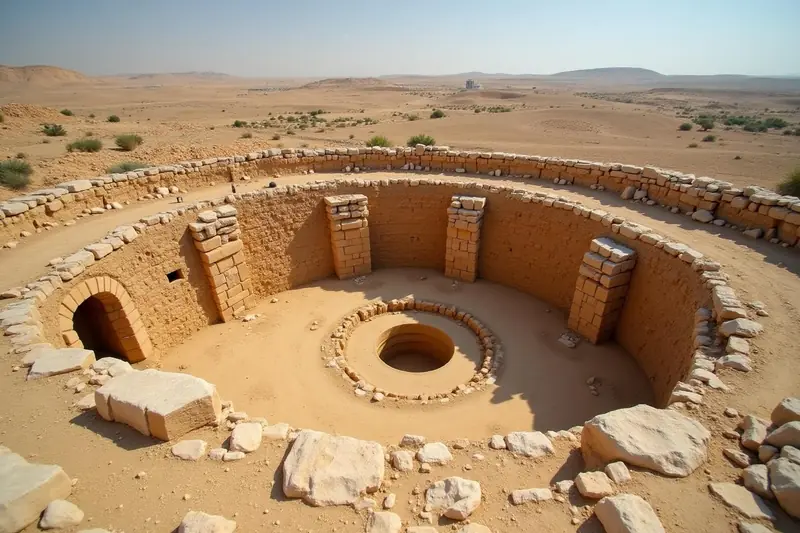
At Beersheba, Abraham seals a covenant with Abimelech over a well, plants a tamarisk and calls on the name of the Everlasting God.
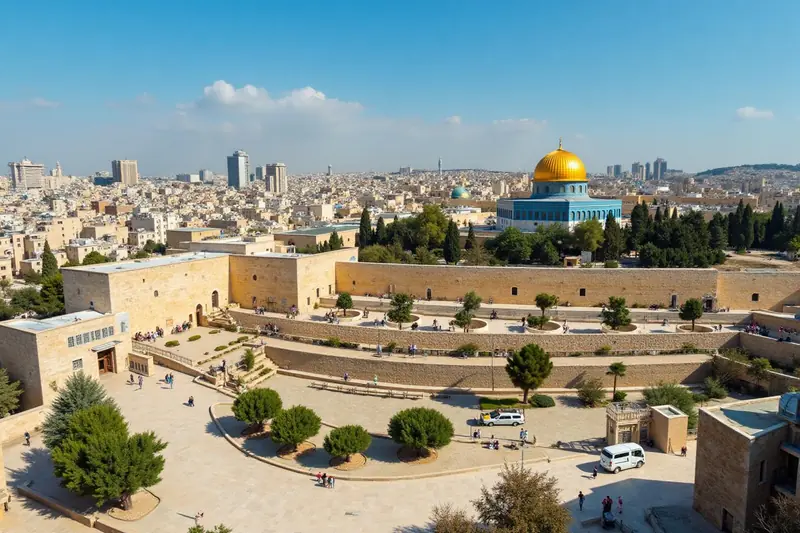
Where tradition places Abraham's test now stands the Temple Mount, one of the holiest sites in Judaism and Islam.
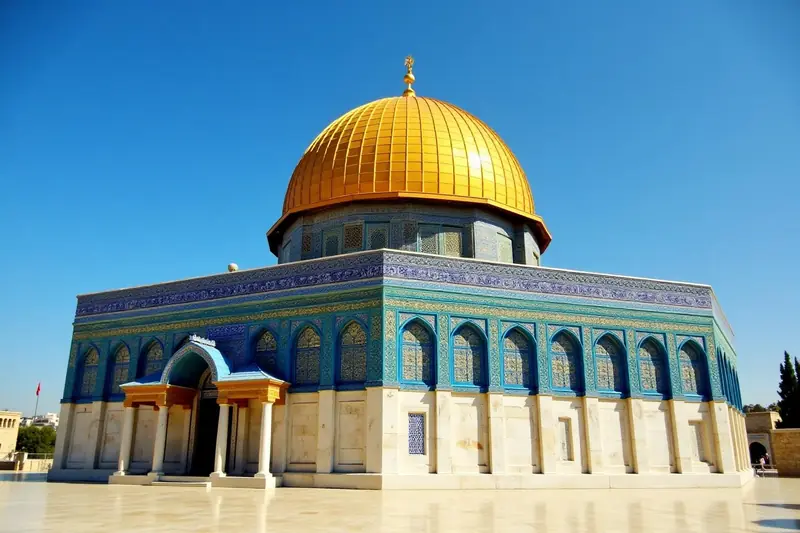
On Mount Moriah, Isaac, the son of the promise, climbs with his father towards the altar: a story of trust, substitution and mercy.
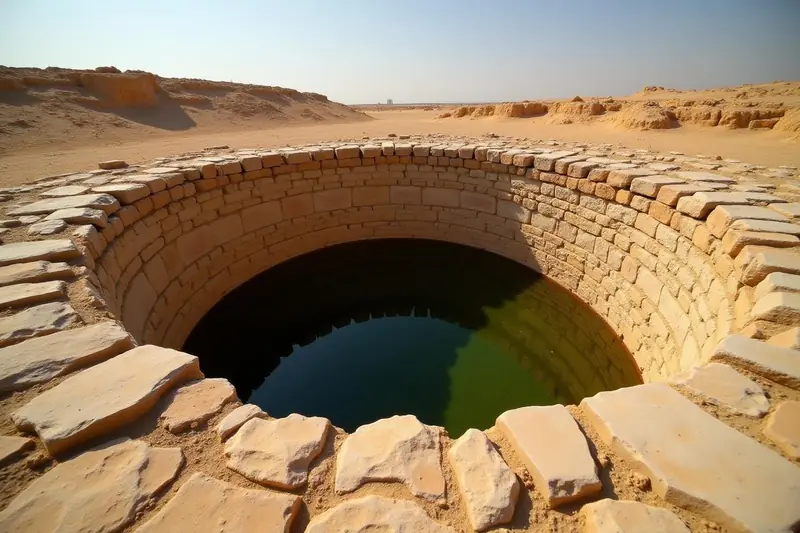
In the heart of the Negev, Beersheba becomes Isaac's main home, a symbol of stability and blessing.
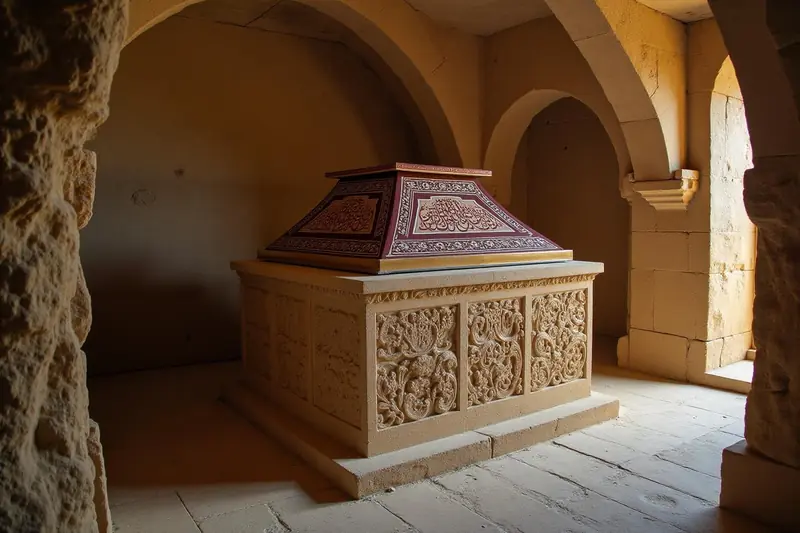
The peaceful patriarch at rest in the cave of his ancestors, beside Rebecca, Abraham and Sarah.
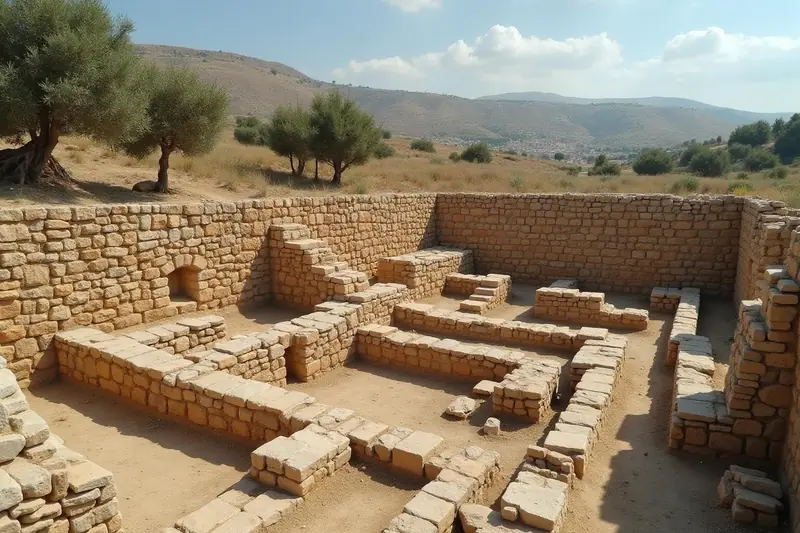
At Bethel, Jacob has one of the Bible's greatest spiritual experiences: a dream in which a ladder joins earth to heaven.
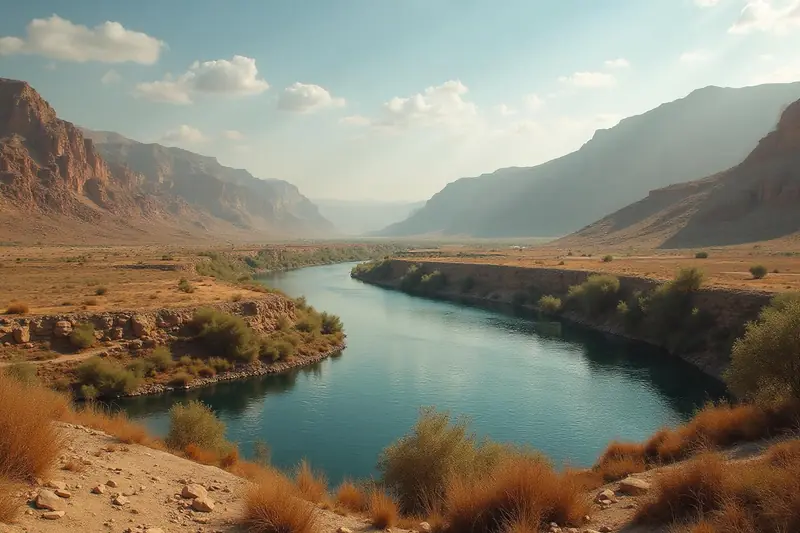
At the ford of the Jabbok, Jacob wrestles all night with a mysterious opponent. He comes away wounded, blessed and bearing a new name: Israel.
Back from Paddan-aram, Jacob camps before Shechem, buys a field and builds an altar there: a place of faith, covenant and transmission between generations.
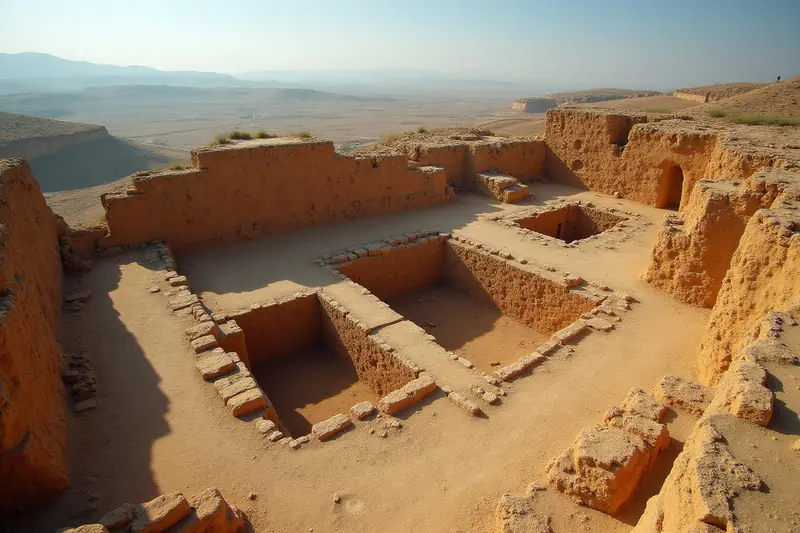
At Dothan, Joseph is thrown into a pit by his jealous brothers and then sold to a caravan bound for Egypt: a turning point in Genesis that seals his destiny.
Each page is linked to one of the great periods of biblical history, from the Patriarchs to the Second Temple, and the places are listed in the order of the narrative. Some sites appear more than once: Hebron, Bethel and Beersheba are connected with Abraham, then with Isaac or Jacob, and each page sheds light on a different episode. The collection grows over time; to place each site in context, start with the period of the Patriarchs.
On every page you will find the biblical account with its references, the current state of archaeological knowledge — separating what excavations show from what belongs to tradition — an FAQ and practical information: estimated visit time, access level and suggested routes.
The map above shows every site: click a marker to open its page. In the "Getting there & GPS" section of each page, a button starts navigation in Waze, Google Maps or Apple Maps. The "Add to my tour" button lets you build your itinerary stop by stop. If you would rather have a ready-made suggestion, the Plan my tour planner selects sites in three questions, based on your time and interests.