From Creation to Babel
The Origins
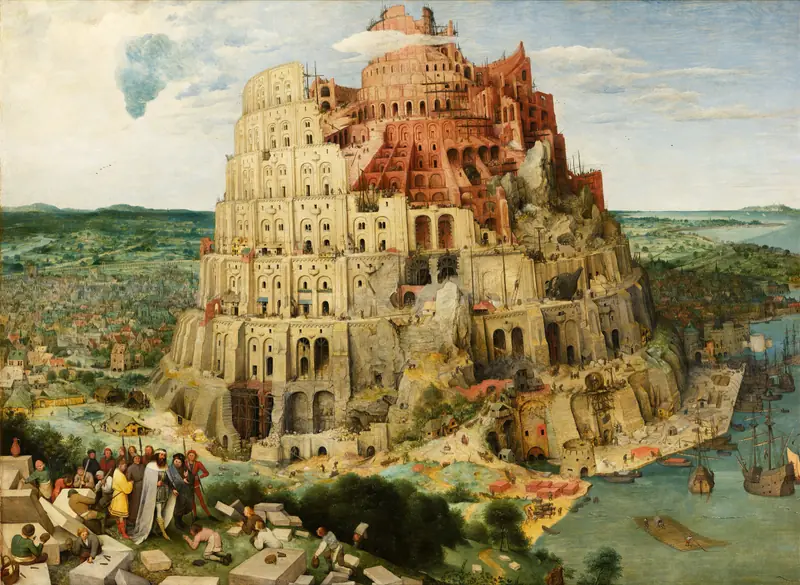
This period covers the first eleven chapters of Genesis: the Creation, Adam and Eve in the Garden of Eden, Cain and Abel, Noah and the Flood, then…
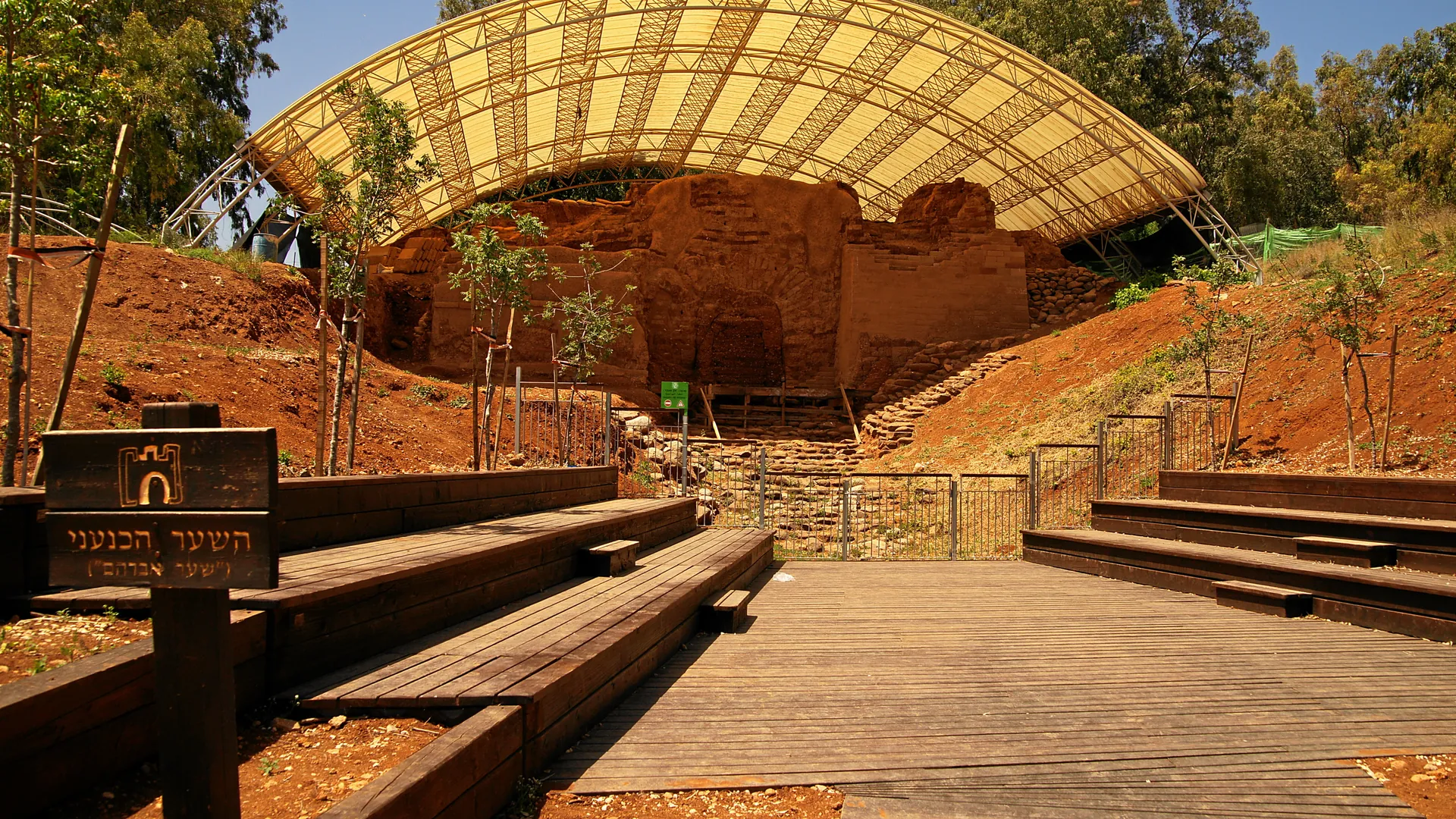
Abraham, Moses, David, the prophets: the stories of the Hebrew Bible grouped into 5 periods, each linked to the places where you can visit them.
Credit: Mboesch · CC BY-SA 4.0 · Wikimedia Commons
The Old Testament covers more than a thousand years of history. We have divided it into 5 great periods, from the Creation to the return from exile, each leading to the places where archaeology sheds light on the story, such as Hebron or Tel Dan. The story continues in the New Testament.
This period covers the first eleven chapters of Genesis: the Creation, Adam and Eve in the Garden of Eden, Cain and Abel, Noah and the Flood, then…
This period covers the stories of the patriarchs — Abraham, Isaac, Jacob (Israel) and Joseph — and their journeys: from the first divine promises in…
14 places to visitThis era focuses on the exodus from Egypt under Moses' leadership, the giving of the Law at Mount Sinai, the wandering in the wilderness and the…
12 places to visitAfter the conquest of Canaan, this period explores the era of the Judges, charismatic leaders who guided Israel, followed by the unification of the…
5 places to visitThis period marks the Babylonian exile and the return of the Jewish people to the Promised Land. It is a major turning point in the history of…
1 places to visit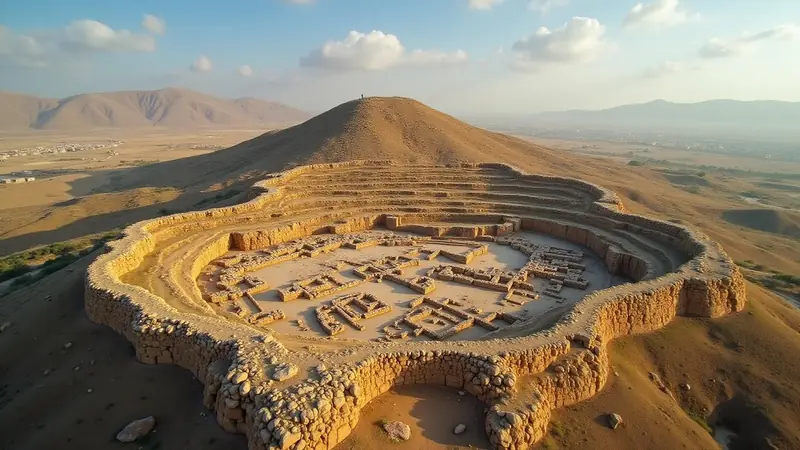
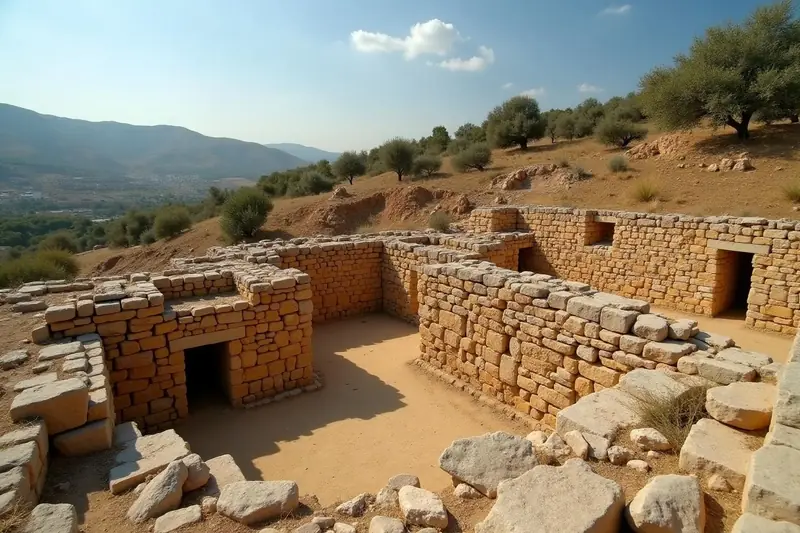
Between Mount Ebal and Mount Gerizim, the place of God's first promise and Abraham's first altar in the Promised Land (Genesis 12:6-7).
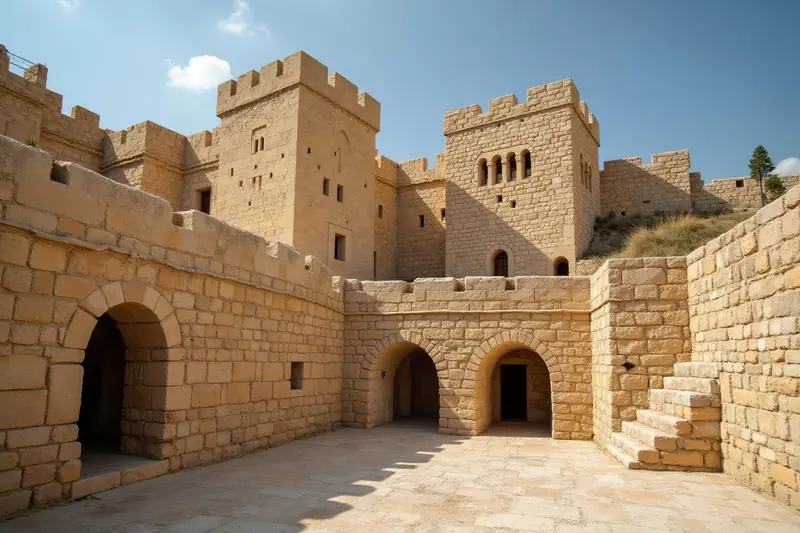
After Shechem, Abraham builds an altar "between Bethel and Ai" and calls on the name of the LORD, then returns there after his stay in Egypt (Genesis 12:8; 13:1-4).
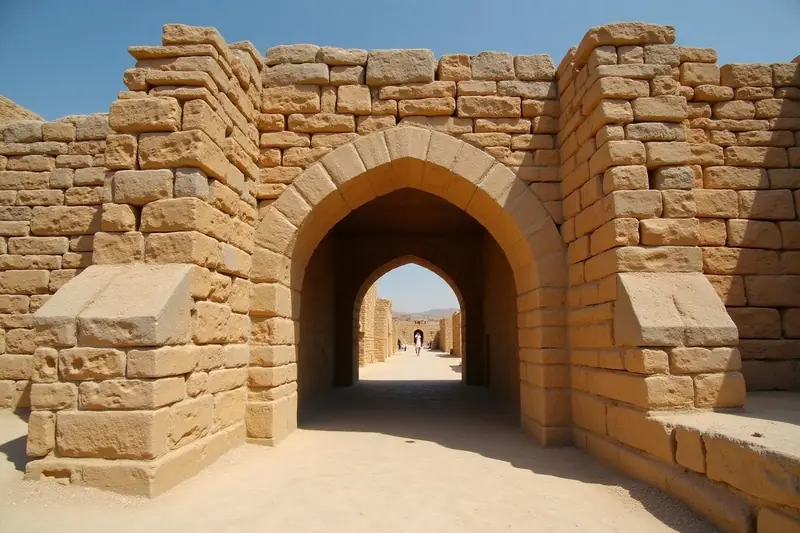
A sacred site venerated by the three monotheistic religions, the traditional burial place of Abraham, Isaac and Jacob.
From Genesis 14 to the "House of David" stele: archaeology, nature and biblical history at the springs of the Jordan.
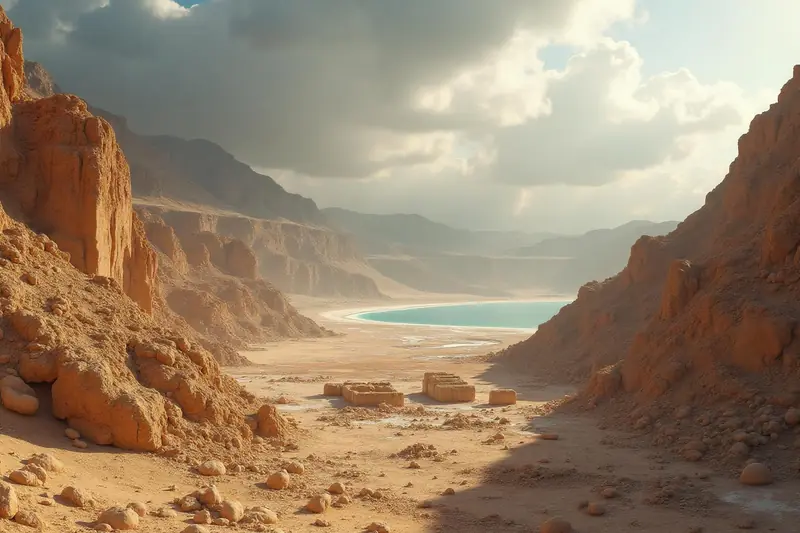
From the Genesis narrative to the excavations at Bab edh-Dhra and Tall el-Hammam: what we know — and what we do not — about the cities destroyed near the Dead Sea.
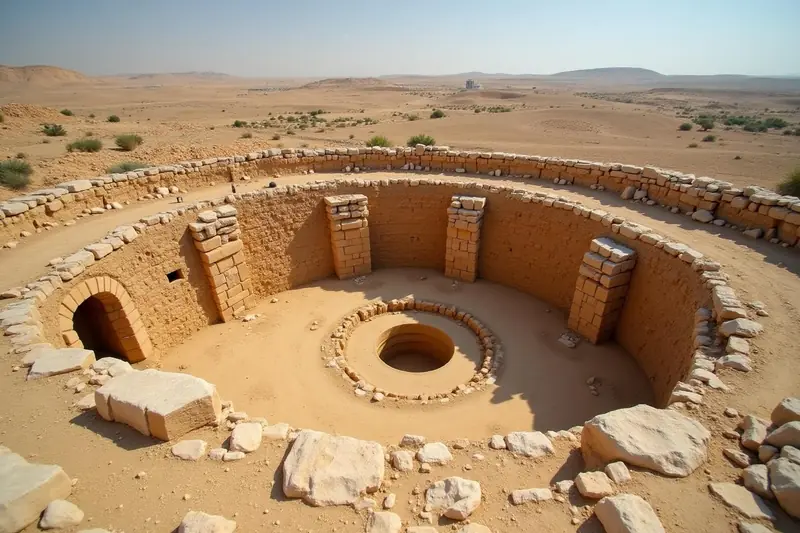
At Beersheba, Abraham seals a covenant with Abimelech over a well, plants a tamarisk and calls on the name of the Everlasting God.
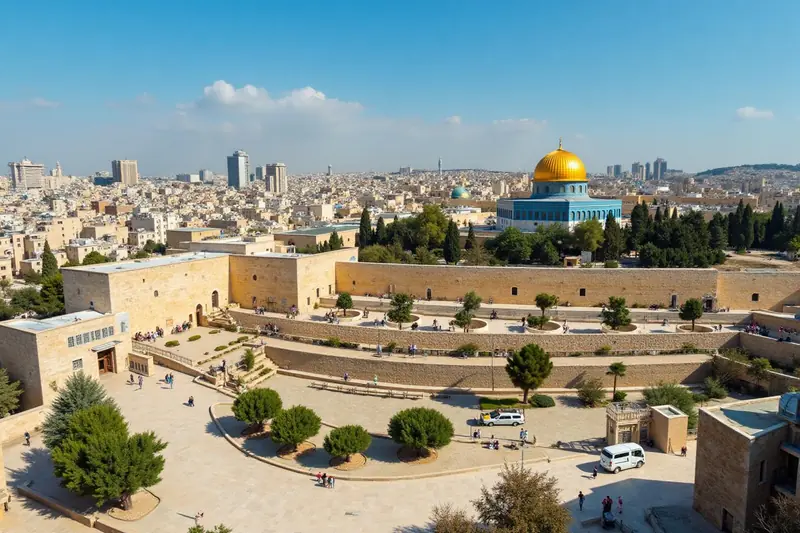
Where tradition places Abraham's test now stands the Temple Mount, one of the holiest sites in Judaism and Islam.
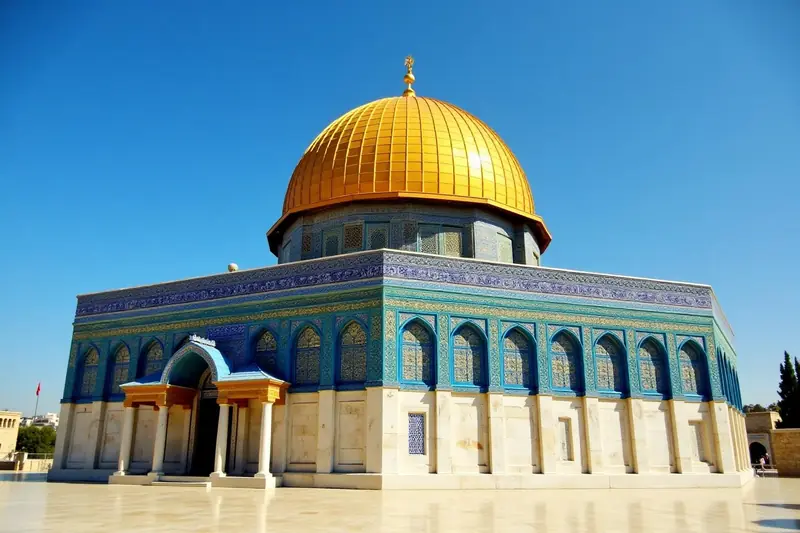
On Mount Moriah, Isaac, the son of the promise, climbs with his father towards the altar: a story of trust, substitution and mercy.
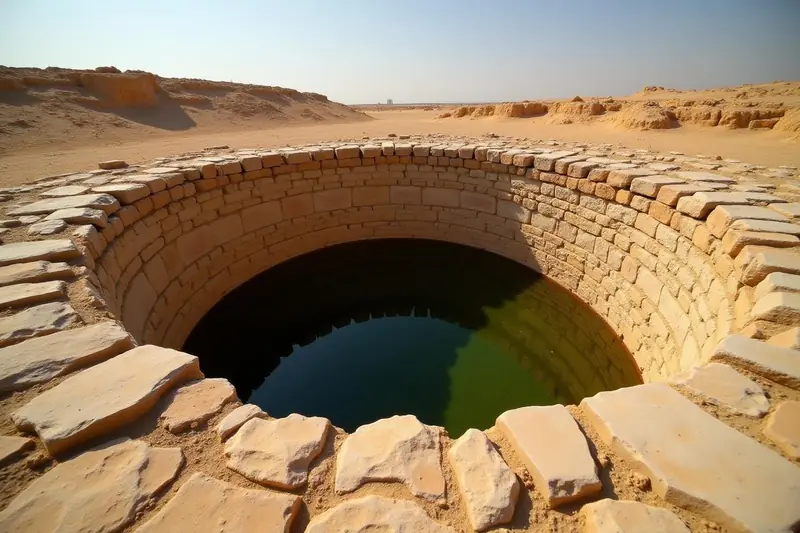
In the heart of the Negev, Beersheba becomes Isaac's main home, a symbol of stability and blessing.
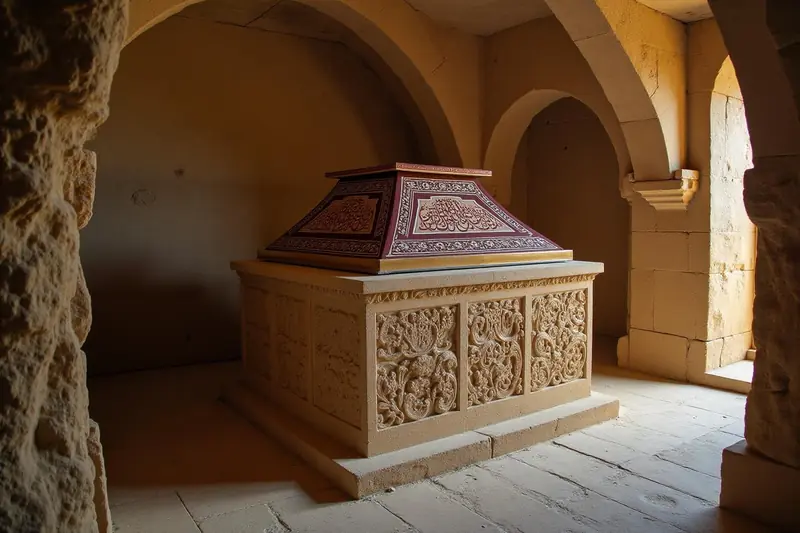
The peaceful patriarch at rest in the cave of his ancestors, beside Rebecca, Abraham and Sarah.
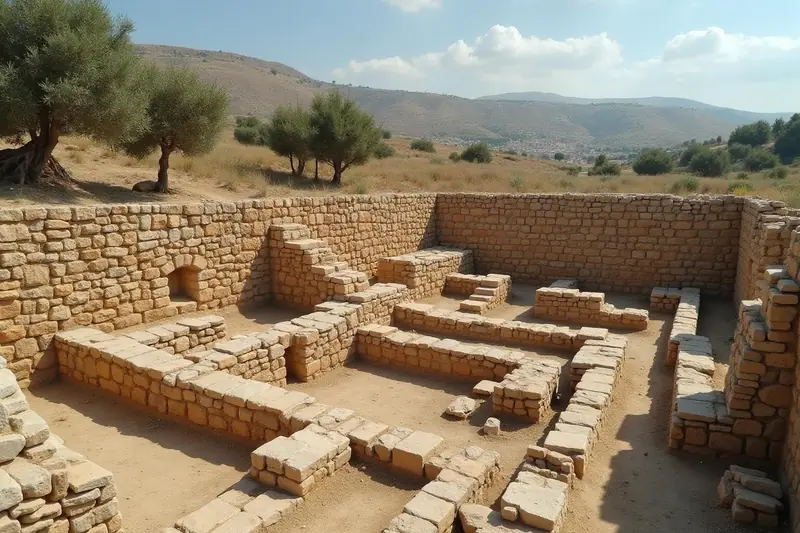
At Bethel, Jacob has one of the Bible's greatest spiritual experiences: a dream in which a ladder joins earth to heaven.
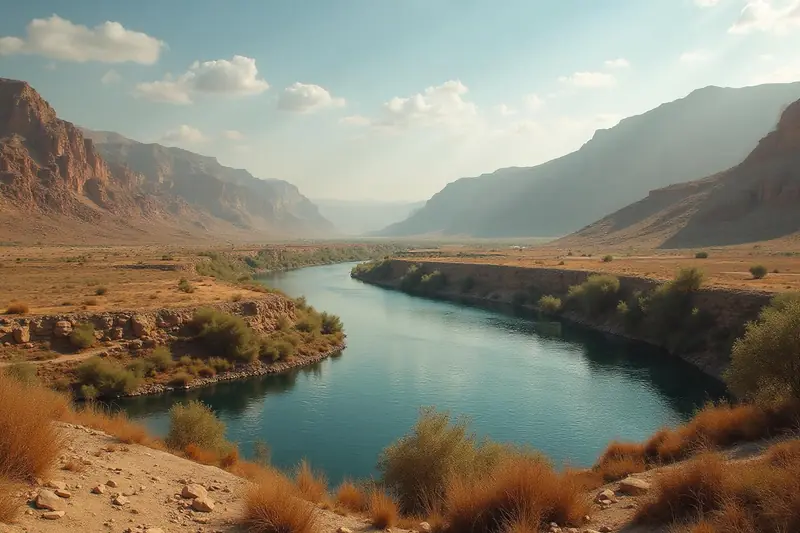
At the ford of the Jabbok, Jacob wrestles all night with a mysterious opponent. He comes away wounded, blessed and bearing a new name: Israel.
Back from Paddan-aram, Jacob camps before Shechem, buys a field and builds an altar there: a place of faith, covenant and transmission between generations.
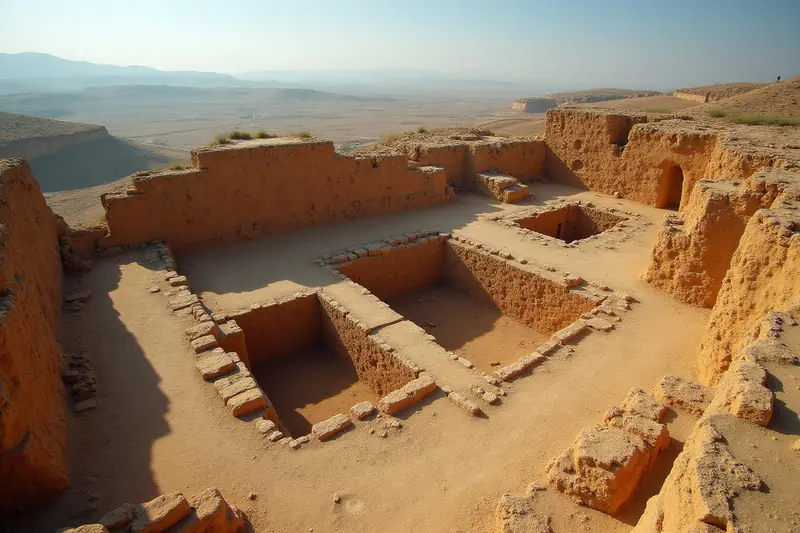
At Dothan, Joseph is thrown into a pit by his jealous brothers and then sold to a caravan bound for Egypt: a turning point in Genesis that seals his destiny.
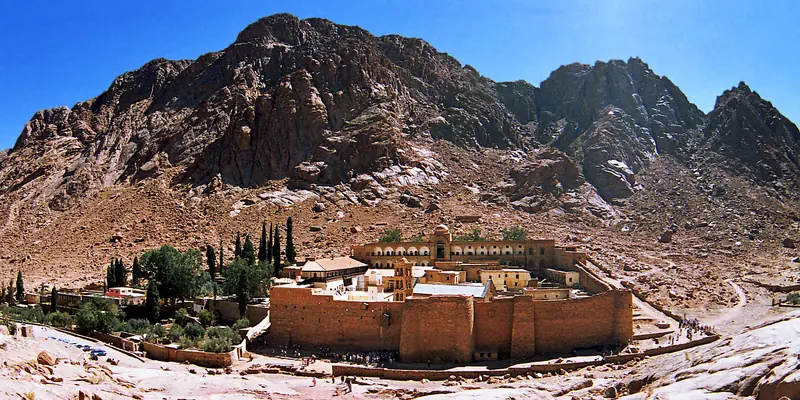
In the heart of the South Sinai mountains, a Christian tradition sixteen centuries old places the burning bush and the giving of the Law here. Yet the identification of biblical Sinai is still debated.
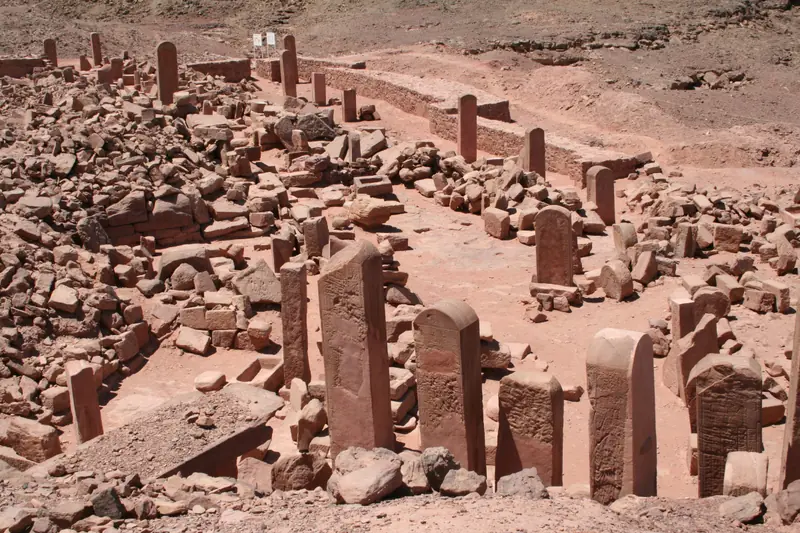
On a plateau in south-western Sinai, a shrine of Egyptian miners where Semitic workers left some of the oldest known alphabetic inscriptions.
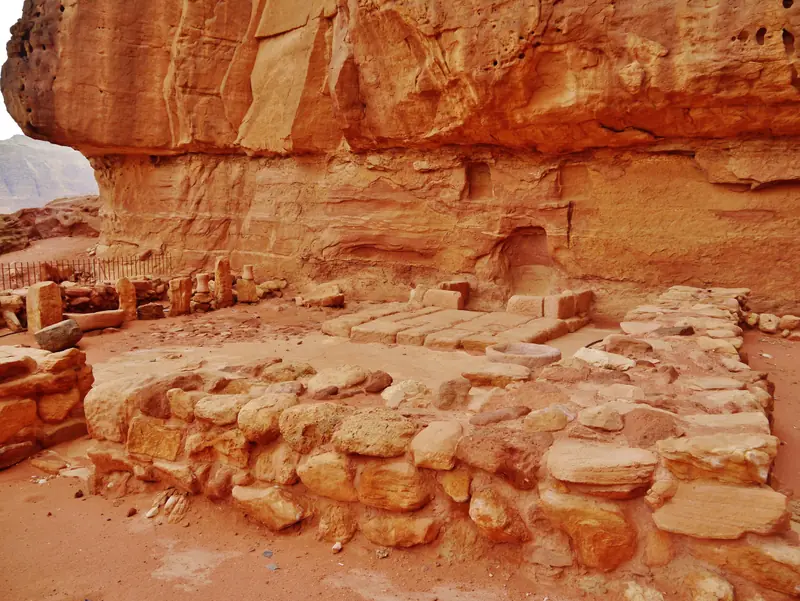
In the Arava Valley, a red sandstone landscape where the Egypt of the Ramesside pharaohs mined copper: a context site for understanding the desert of the Exodus story.
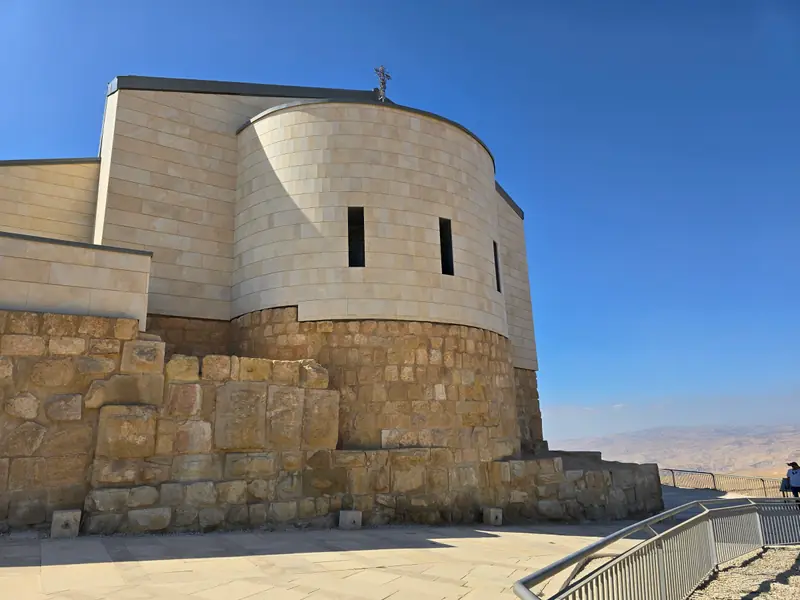
On a spur of the mountains of Moab, Deuteronomy has Moses gaze at the land he will never enter. Since the 4th century, a Christian sanctuary has kept that memory alive.
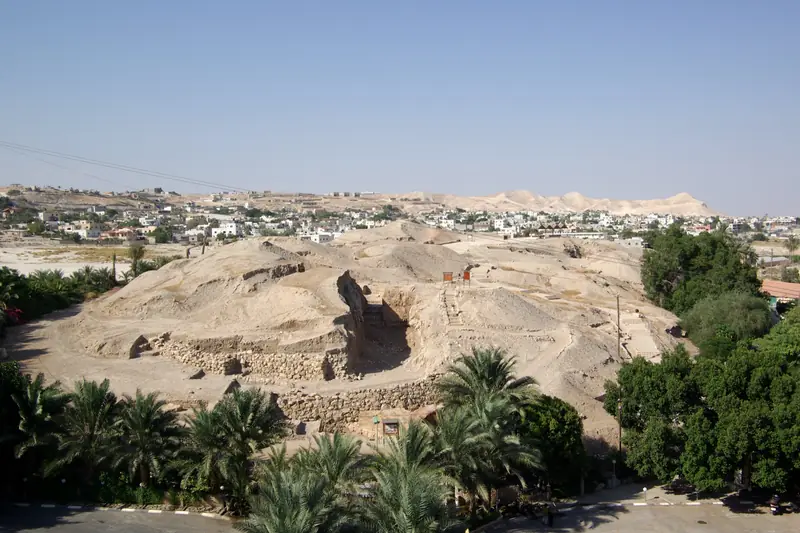
Rahab, the Jordan crossing and the falling walls: the Book of Joshua set against a century of excavation at one of the oldest towns in the world.
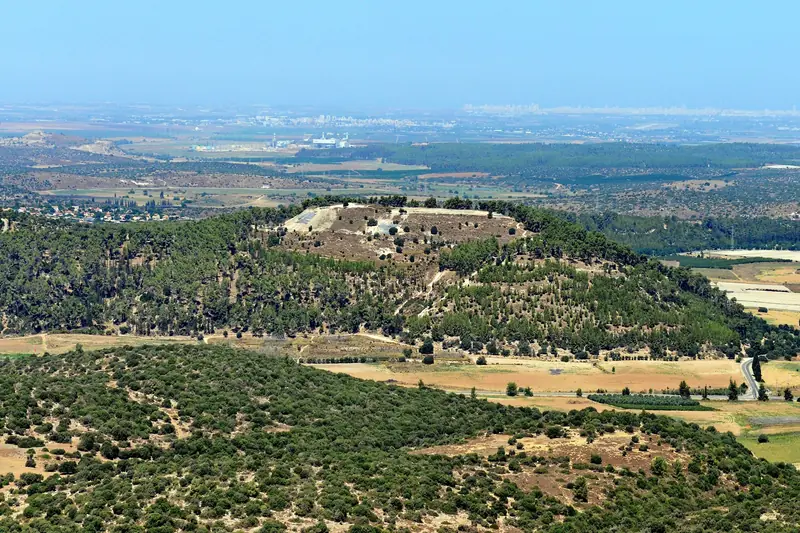
On a wooded hill commanding the Valley of Elah, Azekah marks the end of the pursuit of the Amorite kings. Excavations there have revealed a Canaanite city destroyed by fire.
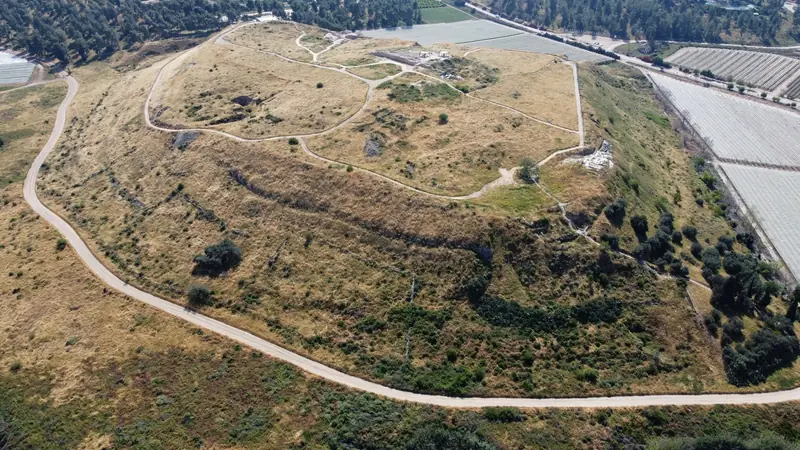
A royal Canaanite city under Egyptian rule, Lachish is one of the southern cities Joshua is said to have taken. Its excavations tell a more complex, and longer, story.
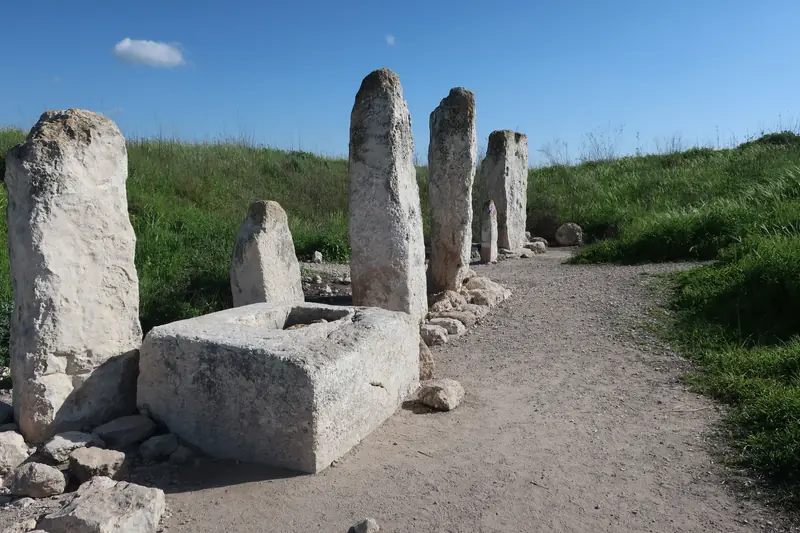
A powerful Canaanite city that the Book of Joshua says was never taken, named by the pharaohs of the Amarna age and by Merneptah, then rebuilt under Solomon.
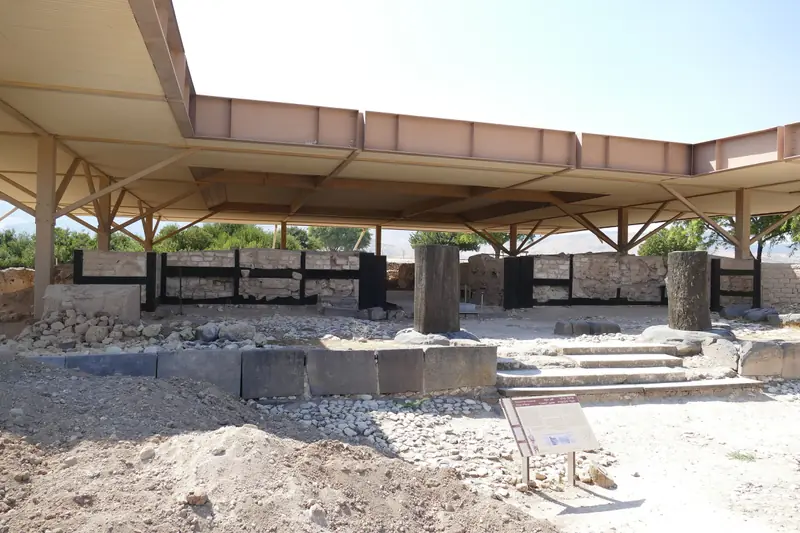
"The head of all those kingdoms": the largest Canaanite city in the land, its destruction by fire and an archaeological debate that is still open.
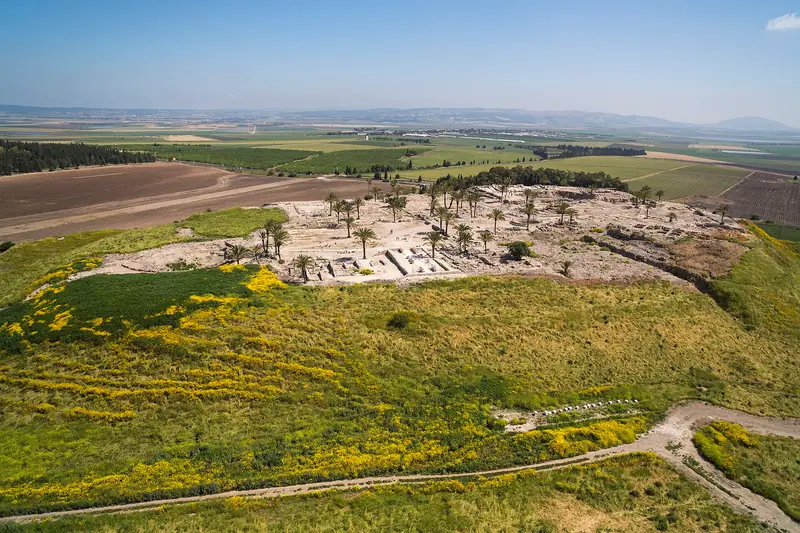
A Canaanite city the Bible says was defeated but never dispossessed: four thousand years of history at the crossroads of Egypt and Mesopotamia.
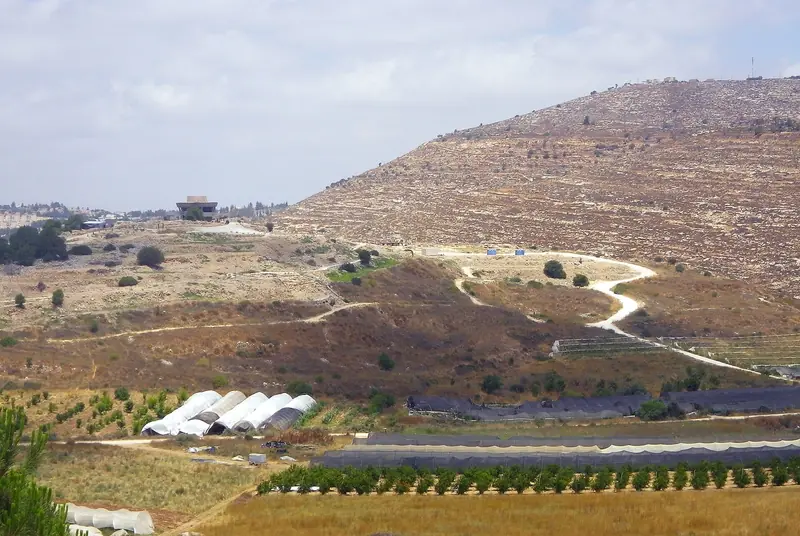
Israel's first great sanctuary according to the Bible: Joshua sets up the Tent of Meeting here, Hannah prays for a son, and Samuel grows up beside the priest Eli.
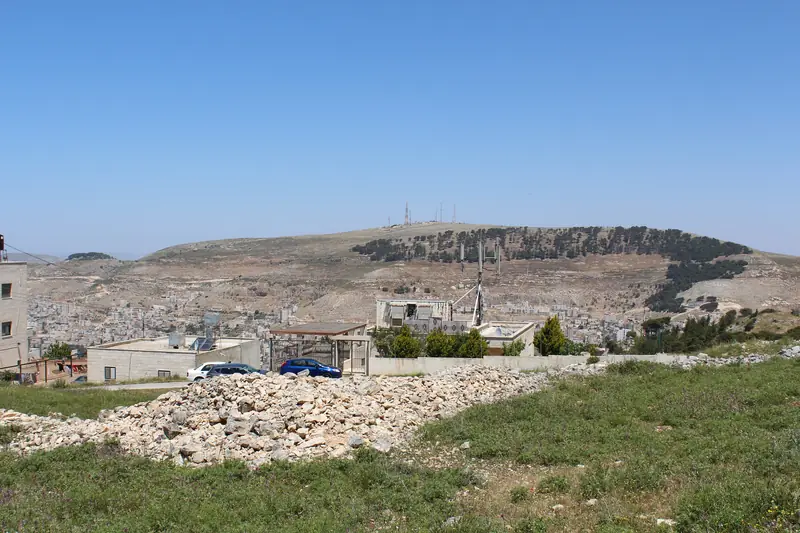
Between Mount Ebal and Mount Gerizim, Joshua has the Law read aloud, then gathers the tribes at Shechem and asks them to choose whom they will serve.
Hebron and the Tomb of the Patriarchs, Beersheba, Shechem and Bethel for the Patriarchs; Tel Dan, Megiddo, Hazor and the City of David for the Judges and Kings; Lachish and the Temple Mount for the end of the monarchy and the return from exile.
Five: the Origins (Genesis 1-11), the Patriarchs, the Exodus, the Judges and Kings, the Exile and Return. The Second Temple period then links it to the New Testament.
For the period of the kings, several finds echo the text, such as the Tel Dan stele mentioning the "House of David". For earlier periods the evidence is scarcer and debated. Each page separates what the text says, what excavations show and what belongs to tradition.
Allow 5 to 8 days to cover Jerusalem, Judea, the Negev and the north of the country. The Plan my trip tool suggests a programme suited to the number of days you have.
The content is essentially the same: the Hebrew Bible (Tanakh) and the Christian Old Testament contain the same books, in a different order. Some Catholic and Orthodox Bibles add a few books, such as those of the Maccabees.