c. 7 BC – c. AD 27
Birth and Childhood of Jesus
Bethlehem and Nazareth: the birth in the city of David and the childhood in a Galilean village.
3 places to visit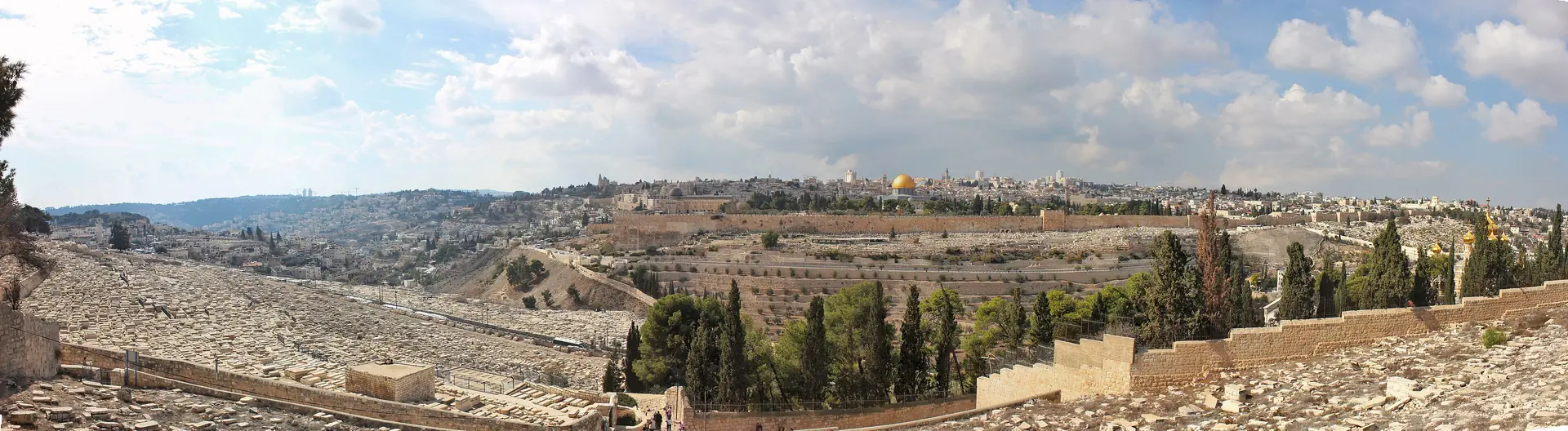
From Bethlehem to Jerusalem by way of Galilee: the places of the Gospels and the Acts of the Apostles, with their archaeology and practical tips for visiting.
The New Testament unfolds over a few decades, in a land you can cross in a week. We have divided it into 4 periods that follow the order of the Gospels and then of the Acts of the Apostles, each leading to its places to visit. For the background, start with the last centuries of the Second Temple, or go back to Old Testament history.
Bethlehem and Nazareth: the birth in the city of David and the childhood in a Galilean village.
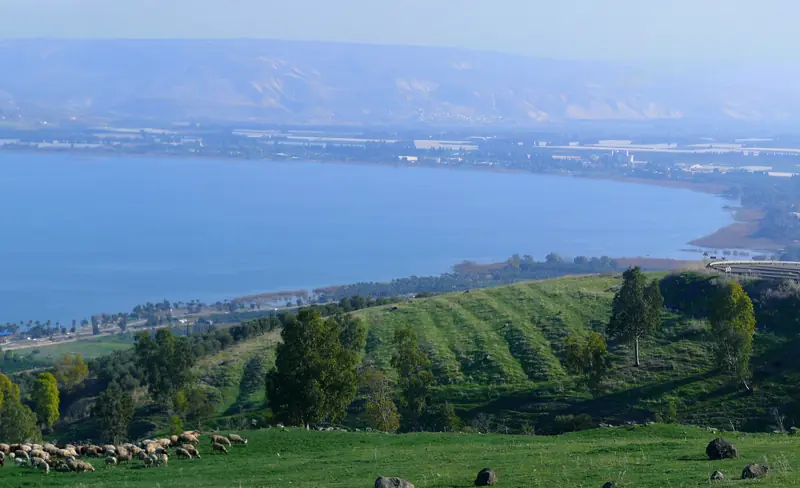
3 places to visitThe baptism in the Jordan, Capernaum, Magdala and the villages of the Sea of Galilee.
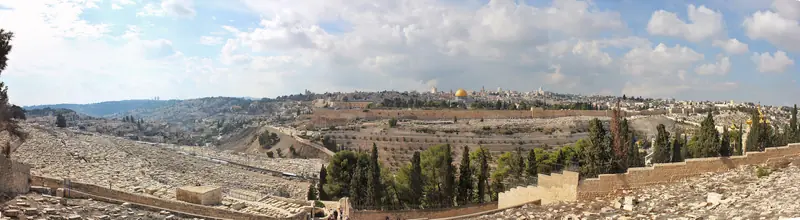
8 places to visitThe last week of Jesus: Mount of Olives, Upper Room, Temple and Holy Sepulchre.
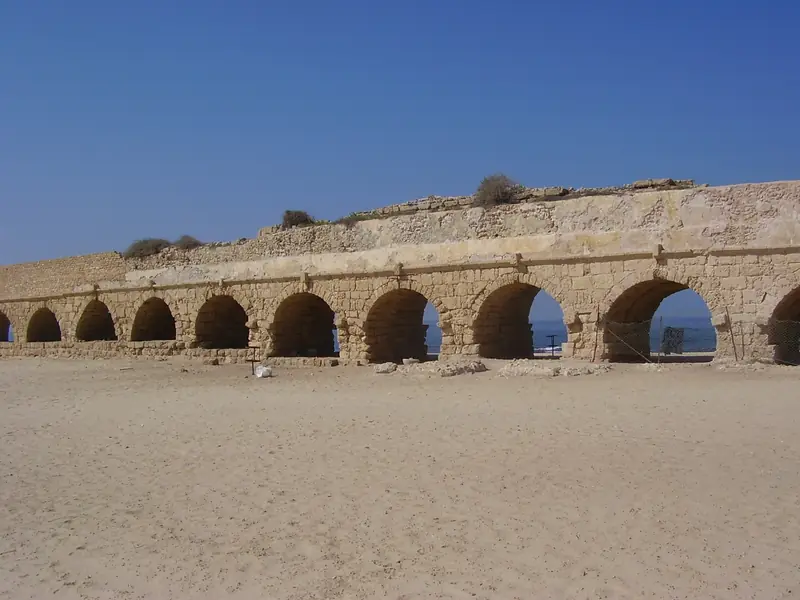
5 places to visitPentecost in Jerusalem, Peter in Jaffa, Paul imprisoned at Caesarea.
3 places to visit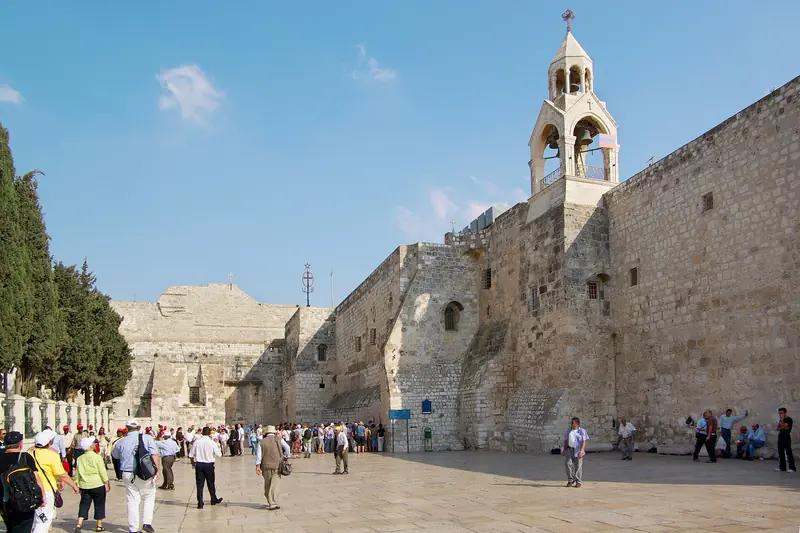
The town of Ruth and David, where the Gospels place the birth of Jesus: a cave venerated since the 2nd century, beneath one of the oldest churches in the world still in use.
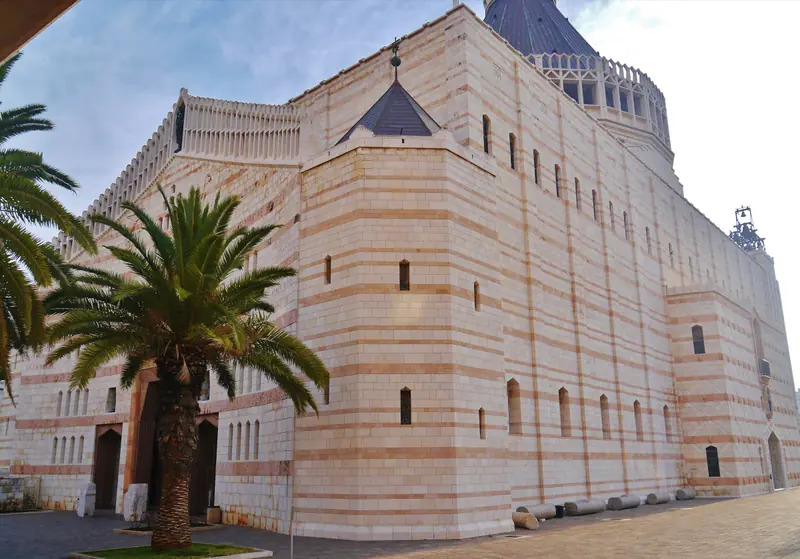
The Galilean village where the Gospels place the Annunciation and the childhood of Jesus, today Israel's largest Arab city: shrines, excavations and visiting tips.
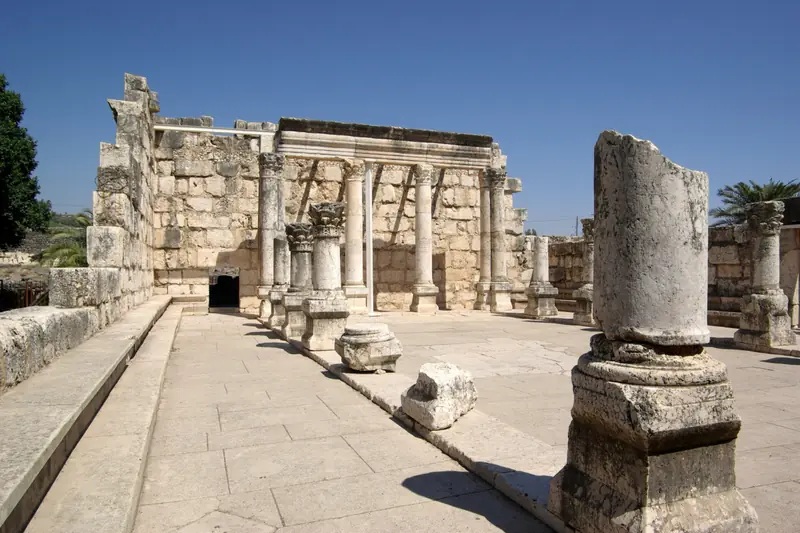
The fishing village where Jesus settled, taught in the synagogue and stayed with Peter: what the Gospels say, what the excavations found and what you can see today.
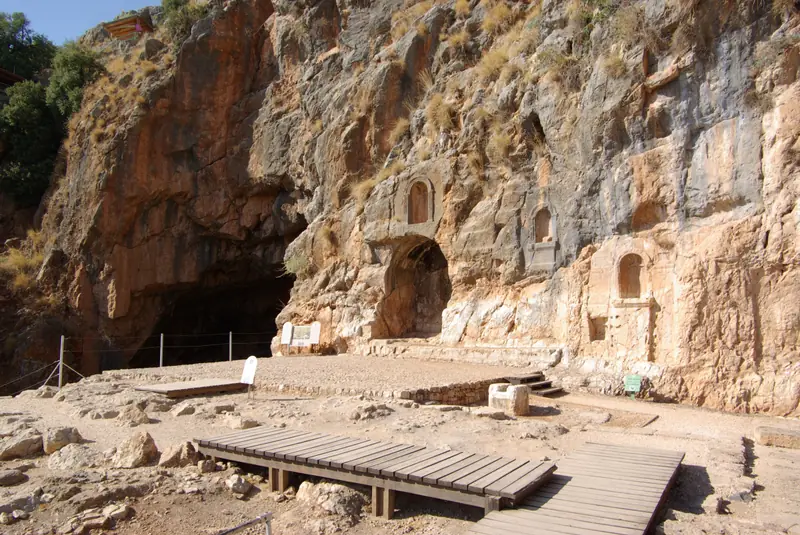
The region where Peter recognises Jesus as the Christ, a cave dedicated to the god Pan and one of the sources of the Jordan: what the texts say, what the excavations found and what you can visit today.
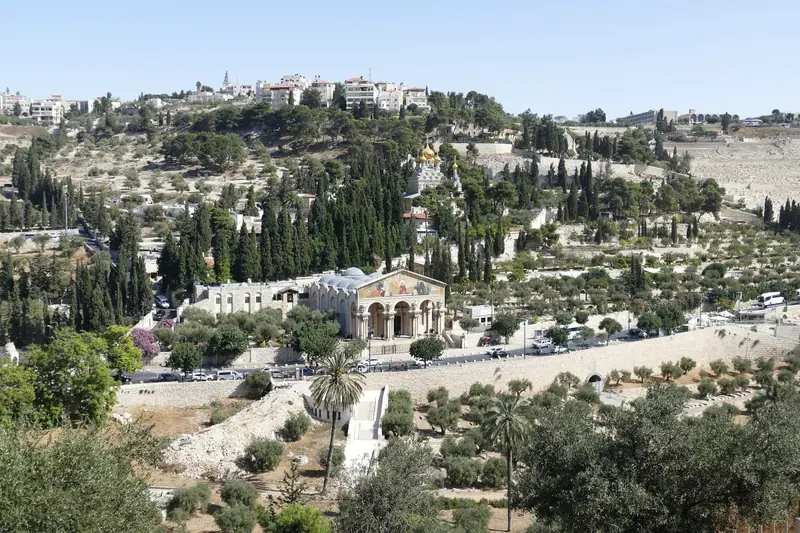
From David's flight to the agony of Jesus, the hill facing the Temple Mount holds three thousand years of Jewish and Christian memory.
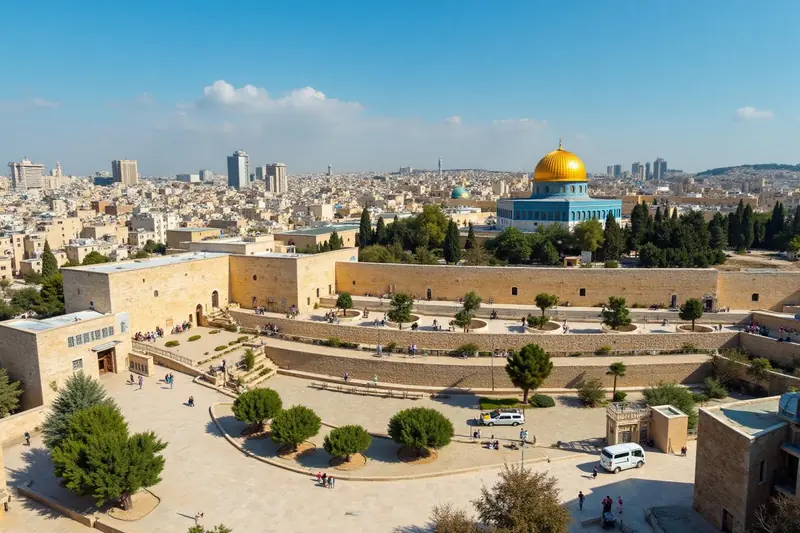
Where tradition places Abraham's test now stands the Temple Mount, one of the holiest sites in Judaism and Islam.
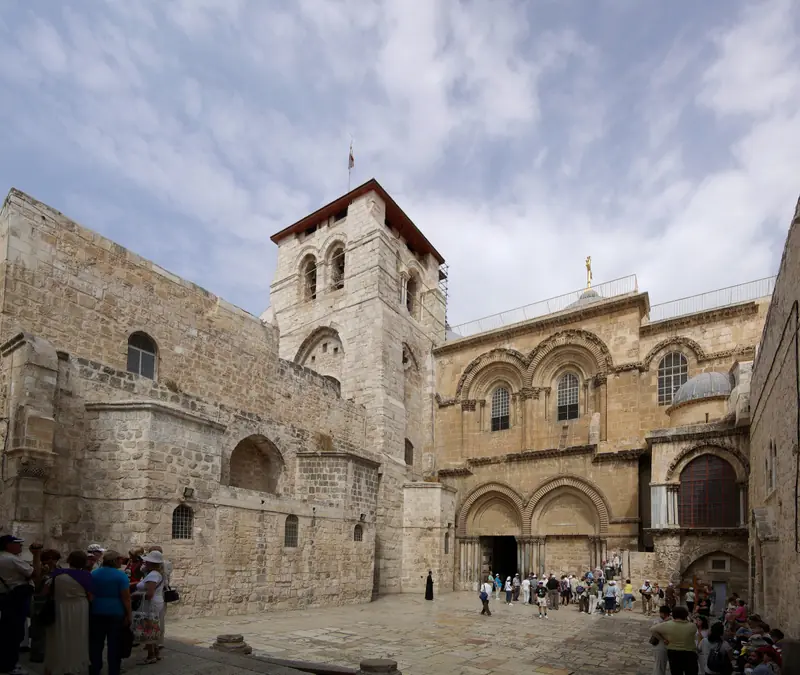
The rock of Calvary and the tomb venerated since the 4th century, under one roof shared by six Christian communities: Gospel account, history, archaeology and visiting.
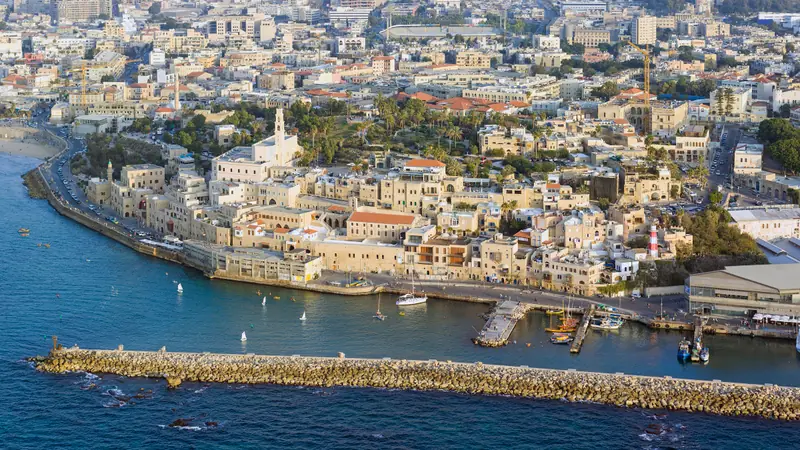
From Lebanese cedars landed for the Temple to Peter's vision on the roof of Simon the Tanner: four thousand years of history on a hill above the Mediterranean.
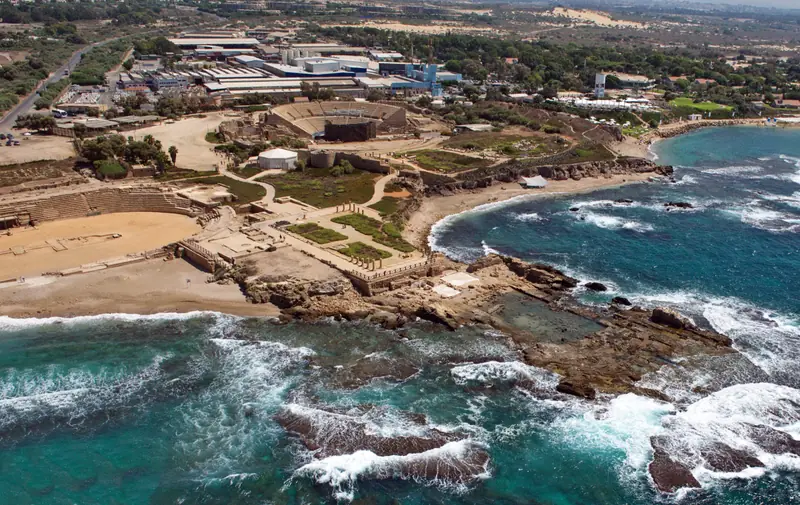
Herod's great harbour and the seat of the Roman governors, where Peter baptised Cornelius and Paul was held for two years: an archaeological park on the Mediterranean shore.
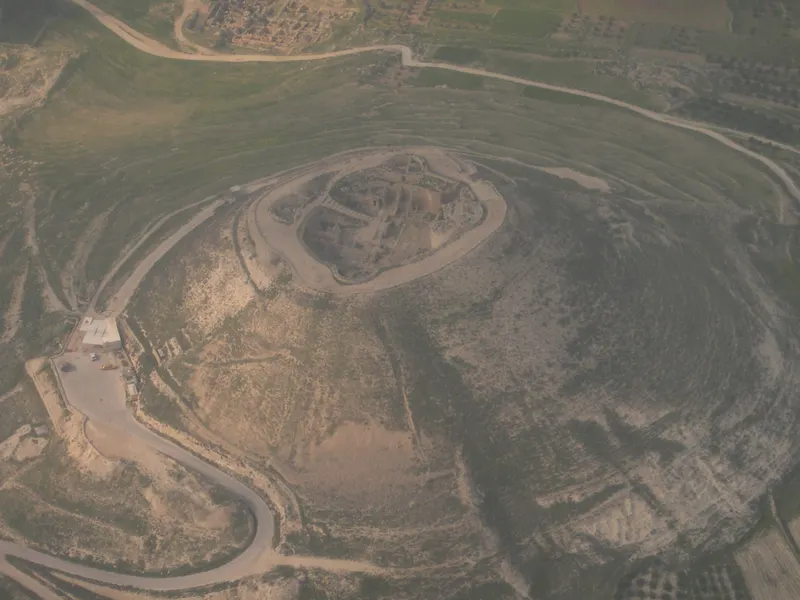
Herod's palace-fortress
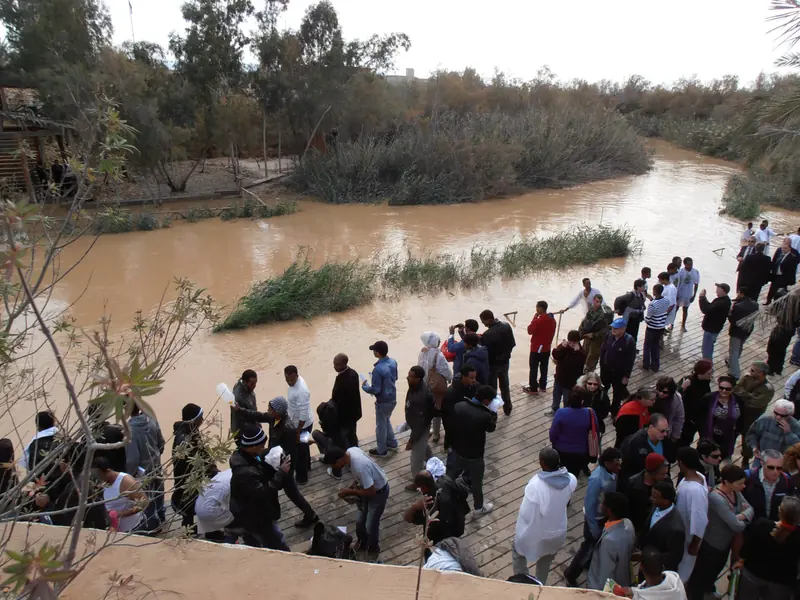
The baptism site on the Jordan
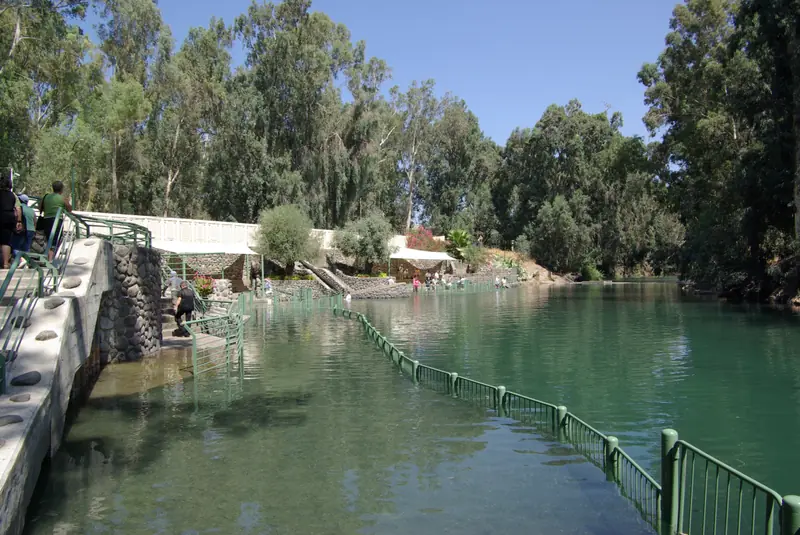
Baptisms in the Jordan
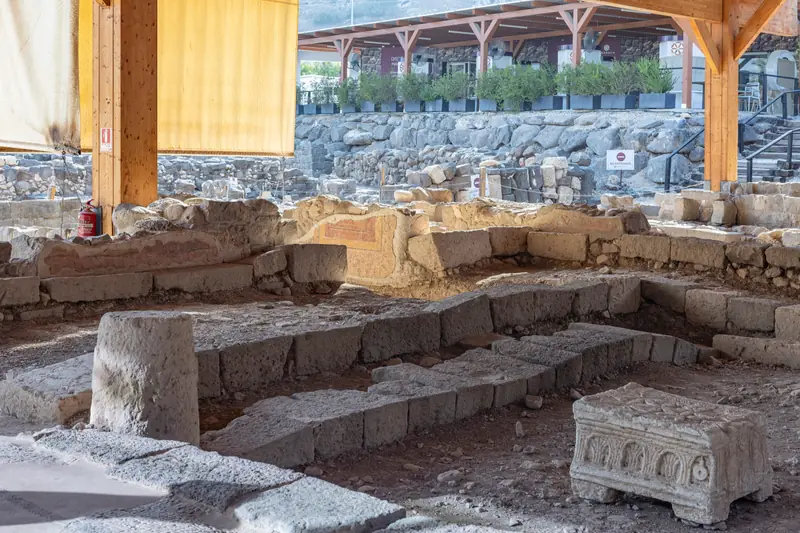
A first-century synagogue
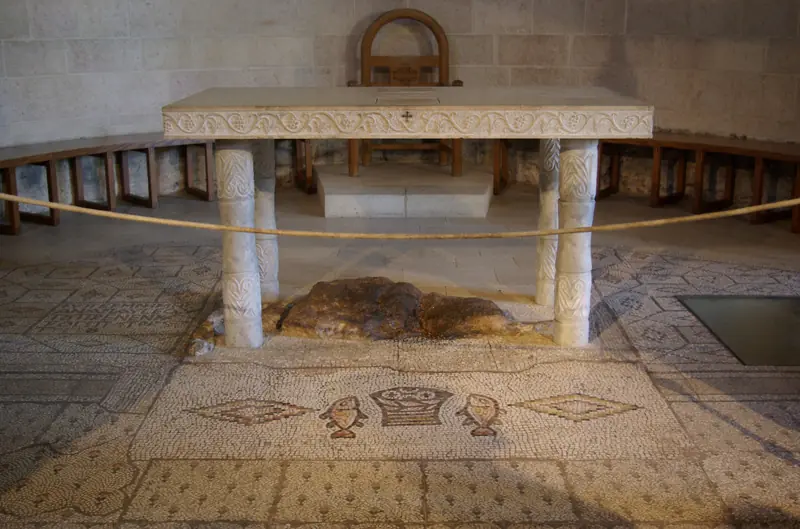
The multiplication of the loaves
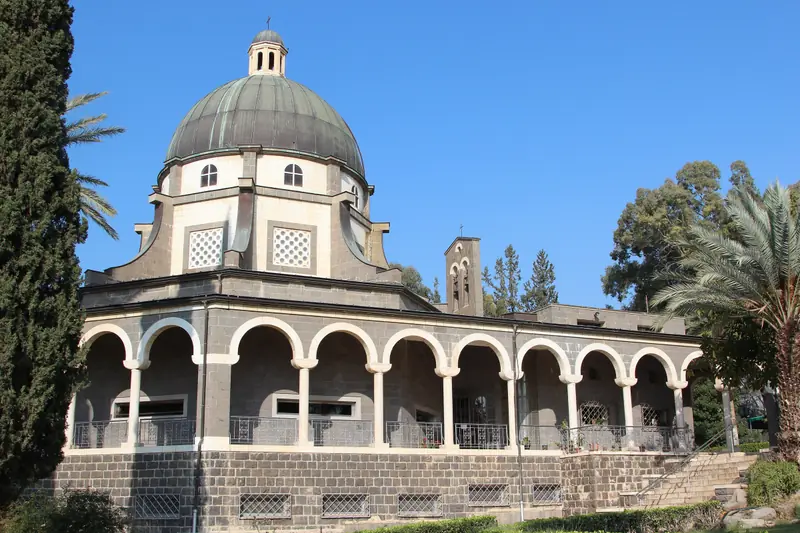
The Sermon on the Mount
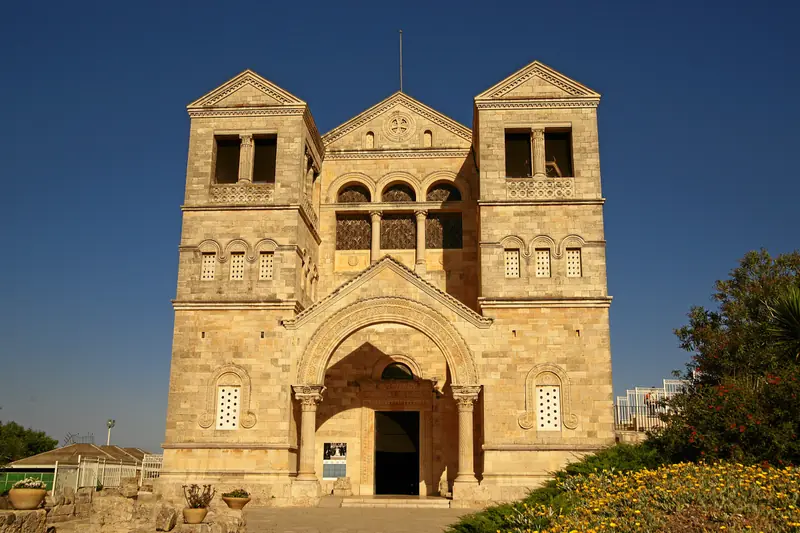
Deborah and the Transfiguration
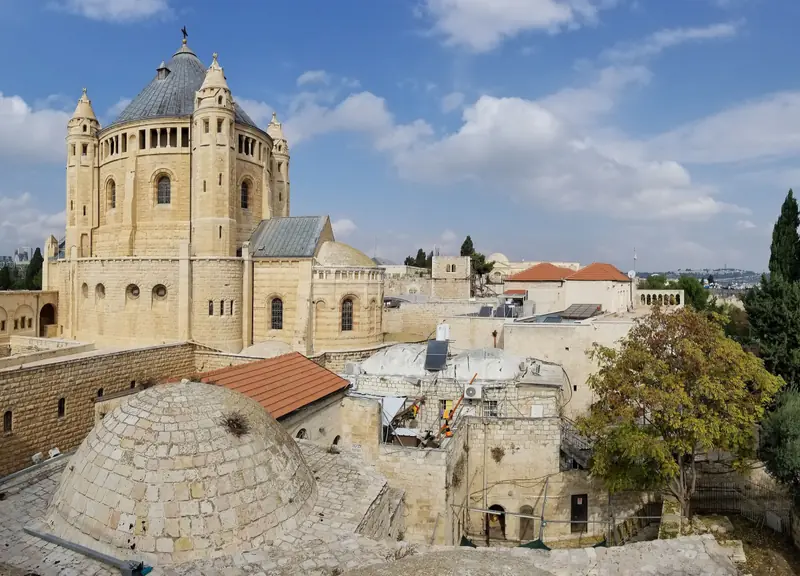
The Upper Room and David's Tomb
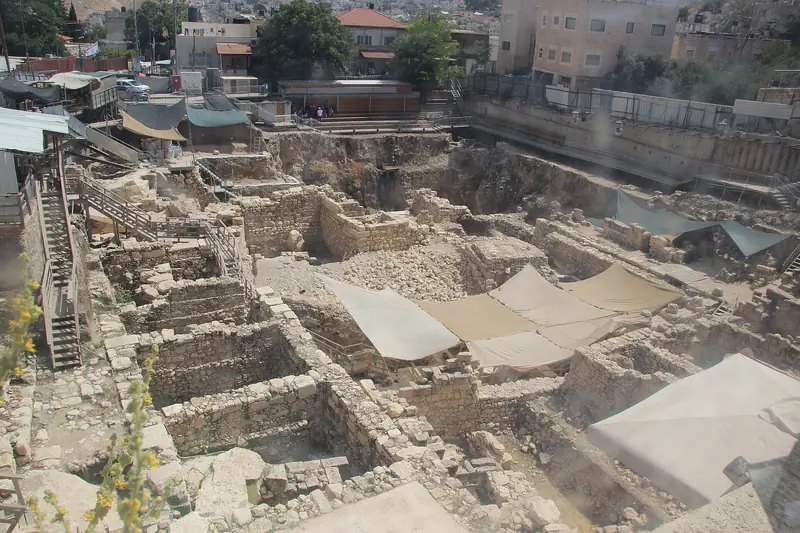
The kings' Jerusalem and Hezekiah's Tunnel
Bethlehem and Nazareth for the birth and childhood of Jesus; the Jordan, Capernaum, Magdala and Tabgha for his ministry in Galilee; the Mount of Olives, the Upper Room and the Holy Sepulchre in Jerusalem; Jaffa and Caesarea for the Acts of the Apostles.
Allow 5 to 7 days: 2 days in Galilee, 2 to 3 days in Jerusalem and Bethlehem, and one day on the coast (Caesarea, Jaffa).
No, most sites can be visited freely or with an entrance ticket. A guide is most useful in Jerusalem, where many places lie close together. Wear clothing covering shoulders and knees in churches.
Some are supported by archaeology, such as the Magdala synagogue or the Pool of Siloam; others rest on an ancient tradition, often from the 4th century, such as the Grotto of the Nativity or the Holy Sepulchre. Each period page tells the two apart.
The Old Testament covers more than a thousand years, from the Patriarchs to the return from exile. The New Testament focuses on the life of Jesus and the beginnings of the Church, in the 1st century. The Second Temple period links the two.