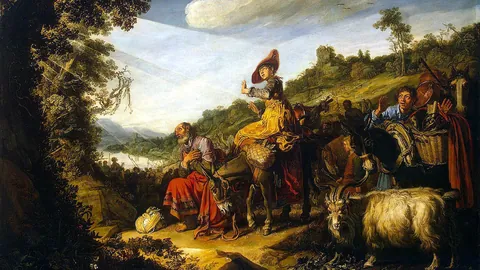
A founding figure for Judaism, Christianity and Islam, Abraham is presented in Genesis as the first to answer the call of the one God, receiving the promise of a land and of descendants. Tradition places him around 2000–1800 BCE. His journey from Ur to Canaan is marked by places, several of which have been excavated: they do not "prove" the narrative, but they shed light on the world in which it is set.
Ur Kasdim — the starting point
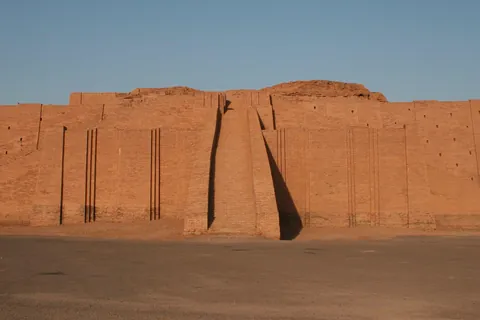 Southern Iraq, near NasiriyahUr KasdimDifficult; visa and specific arrangements requiredPage coming soon
In the Bible (Genesis 11:27–32; 15:7). "Ur of the Chaldees" (Ur Kasdim) is Abram's birthplace. From there Terah's family sets out for Canaan, and it is to Abram that God addresses the call to leave his homeland for a land He will show him.
וַיֹּאמֶר יְהוָה אֶל־אַבְרָם לֶךְ־לְךָ מֵאַרְצְךָ וּמִמּוֹלַדְתְּךָ וּמִבֵּית אָבִיךָ אֶל־הָאָרֶץ אֲשֶׁר אַרְאֶךָּ
בראשית יב, א
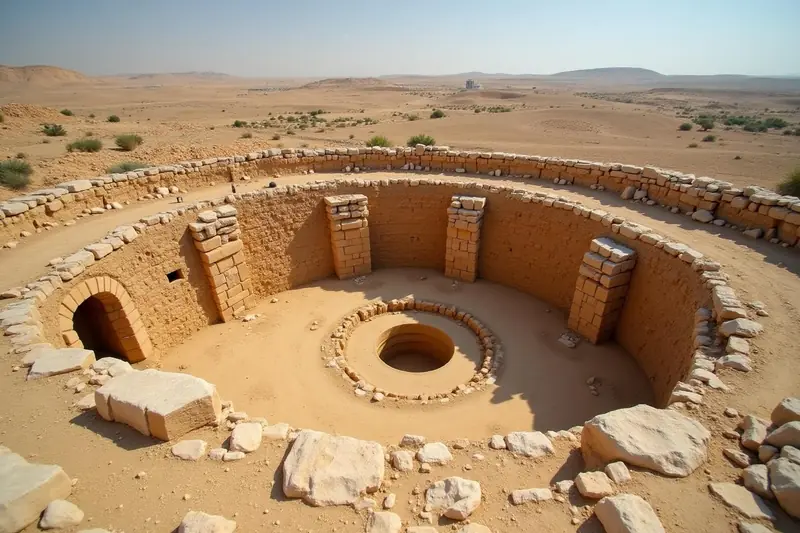
Archaeology. Sir Leonard Woolley's excavations (1922–1934) at Tell el-Muqayyar revealed a great Sumerian city dominated by the ziggurat of the moon god Nanna, built by King Ur-Nammu around 2100 BCE, together with the Royal Cemetery of the mid-third millennium. Thousands of cuneiform tablets document a highly developed urban and mercantile society. Identifying Ur Kasdim with this southern Mesopotamian Ur remains the majority view, although an ancient tradition places it further north, at Urfa (Şanlıurfa). The reference to the "Chaldeans", a people attested only in the first millennium BCE, is generally understood as a later editorial gloss.
What to see today. The ziggurat, partially restored in the twentieth century, still dominates the site. The treasures of the Royal Cemetery, including the famous "Standard of Ur", are not on site: they are held by the British Museum (London), the Penn Museum (Philadelphia) and the National Museum of Iraq (Baghdad).
- Region
- Southern Iraq, near Nasiriyah
- Access
- Difficult; visa and specific arrangements required
Haran — the way station
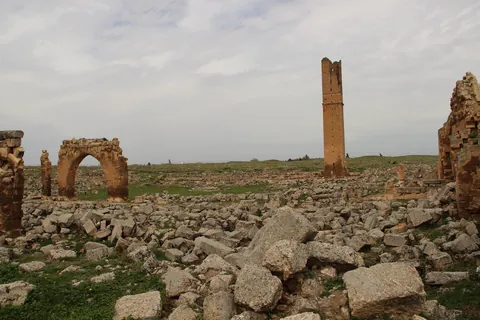 South-eastern Turkey (Şanlıurfa province)HaranAccessible, about 45 km south-east of ŞanlıurfaPage coming soon
In the Bible (Genesis 11:31–32; 12:4–5). Terah takes Abram, Sarai and Lot as far as Haran, where the family settles and where Terah dies. From there Abram, aged 75, leaves for Canaan with his household.
"And Terah took Abram his son, and Lot the son of Haran his son's son, and Sarai his daughter in law, his son Abram's wife; and they went forth with them from Ur of the Chaldees, to go into the land of Canaan; and they came unto Haran, and dwelt there."
Genesis 11:31 (KJV)
וַיִּקַּח תֶּרַח אֶת־אַבְרָם בְּנוֹ וְאֶת־לוֹט בֶּן־הָרָן בֶּן־בְּנוֹ וְאֵת שָׂרַי כַּלָּתוֹ אֵשֶׁת אַבְרָם בְּנוֹ וַיֵּצְאוּ אִתָּם מֵאוּר כַּשְׂדִּים לָלֶכֶת אַרְצָה כְּנַעַן וַיָּבֹאוּ עַד־חָרָן וַיֵּשְׁבוּ שָׁם
בראשית יא, לא
Archaeology. Occupied from the third millennium BCE, Harran was a crossroads on the routes linking Mesopotamia, Anatolia and Syria, and a major centre of the cult of the moon god Sin. The city appears in the Mari archives (18th century BCE). Several names in Abraham's family — Nahor, Serug, Terah — echo place names of the region attested in cuneiform texts. The legal parallels once drawn from the Nuzi and Mari tablets are now debated.
What to see today. The ruins of the Great Mosque (founded in the Umayyad period, in the eighth century, and restored in the twelfth) with its tall square minaret, the remains of the citadel, the traditional "beehive" domed houses, and a well that local tradition links to the Patriarchs.
- Region
- South-eastern Turkey (Şanlıurfa province)
- Access
- Accessible, about 45 km south-east of Şanlıurfa
Shechem — the first altar in Canaan
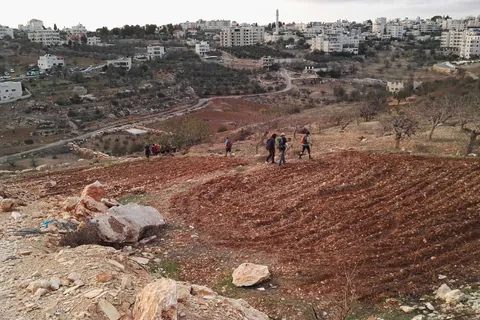
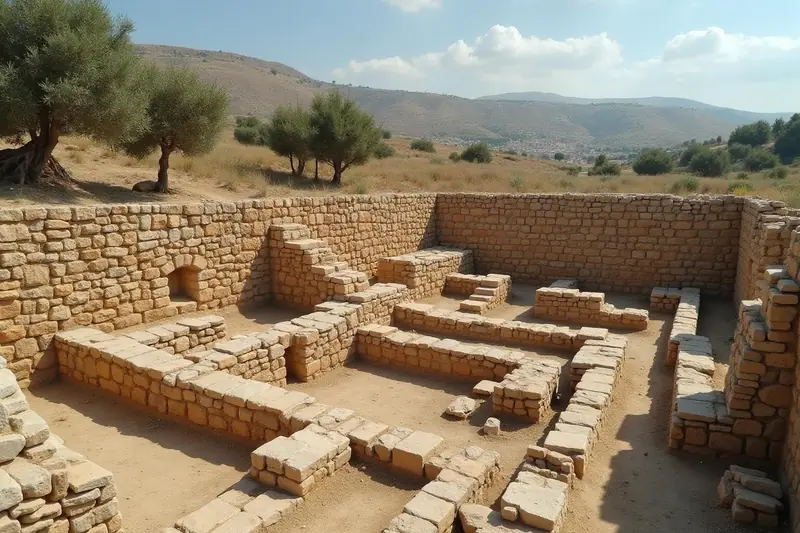
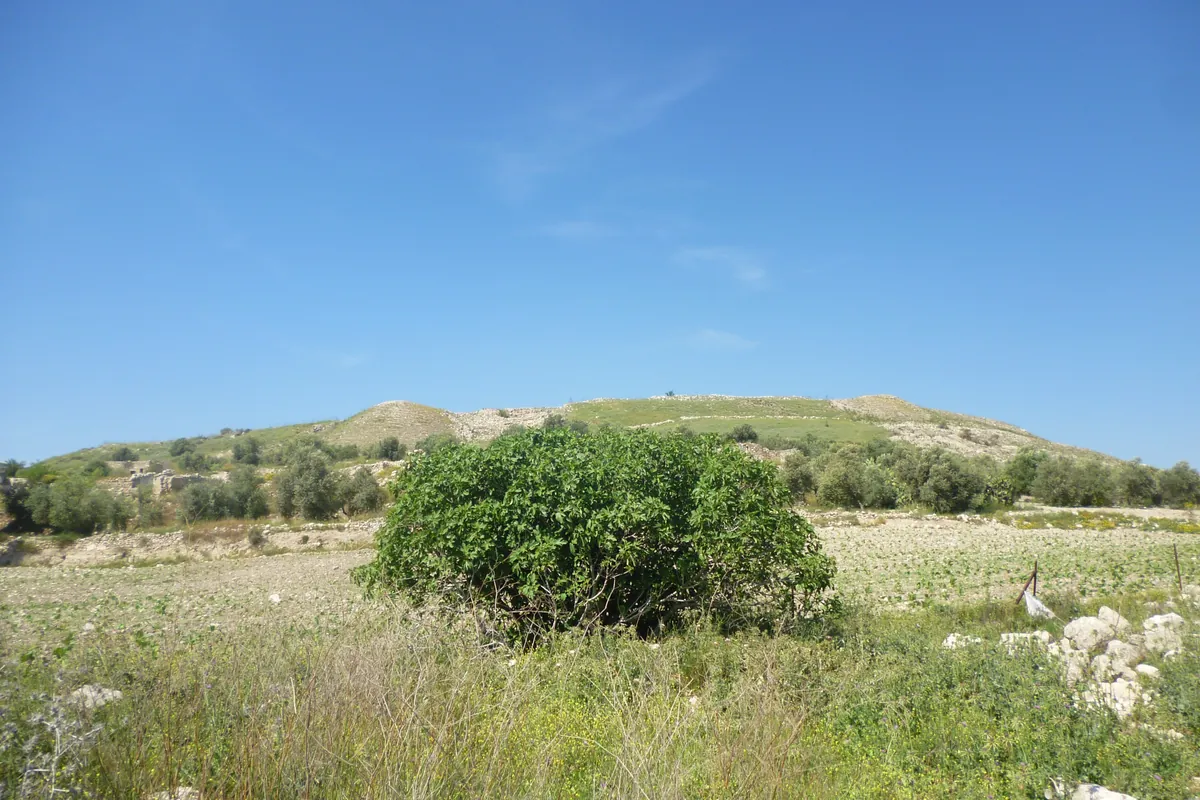
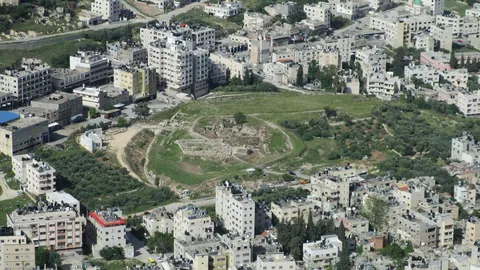 Nablus, Samarian hillsShechem (Tel Balata) – Abraham's First Altar in CanaanBetween Mount Ebal and Mount Gerizim, the place of God's first promise and Abraham's first altar in the Promised Land (Genesis 12:6-7).View site →
In the Bible (Genesis 12:6–7). Arriving in Canaan, Abram passes through Shechem, by the oak (terebinth) of Moreh. The LORD appears to him and promises the land to his descendants; Abram builds an altar there, his first in the promised land. Shechem returns in the stories of Jacob (Genesis 33) and Joshua (Joshua 24).
"And Abram passed through the land unto the place of Sichem, unto the plain of Moreh. And the Canaanite was then in the land. And the LORD appeared unto Abram, and said, Unto thy seed will I give this land: and there builded he an altar unto the LORD, who appeared unto him."
Genesis 12:6–7 (KJV)
וַיַּעֲבֹר אַבְרָם בָּאָרֶץ עַד מְקוֹם שְׁכֶם עַד אֵלוֹן מוֹרֶה וְהַכְּנַעֲנִי אָז בָּאָרֶץ וַיֵּרָא יְהוָה אֶל־אַבְרָם וַיֹּאמֶר לְזַרְעֲךָ אֶתֵּן אֶת־הָאָרֶץ הַזֹּאת וַיִּבֶן שָׁם מִזְבֵּחַ לַיהוָה הַנִּרְאֶה אֵלָיו
בראשית יב, ו–ז
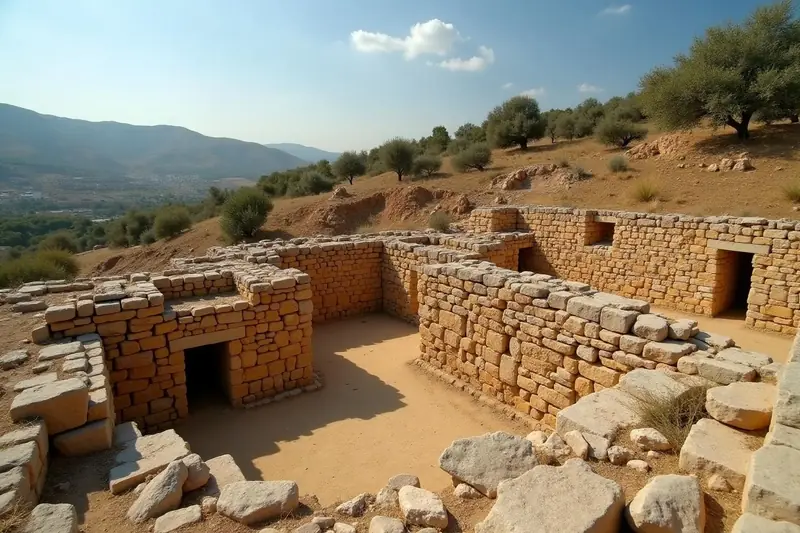
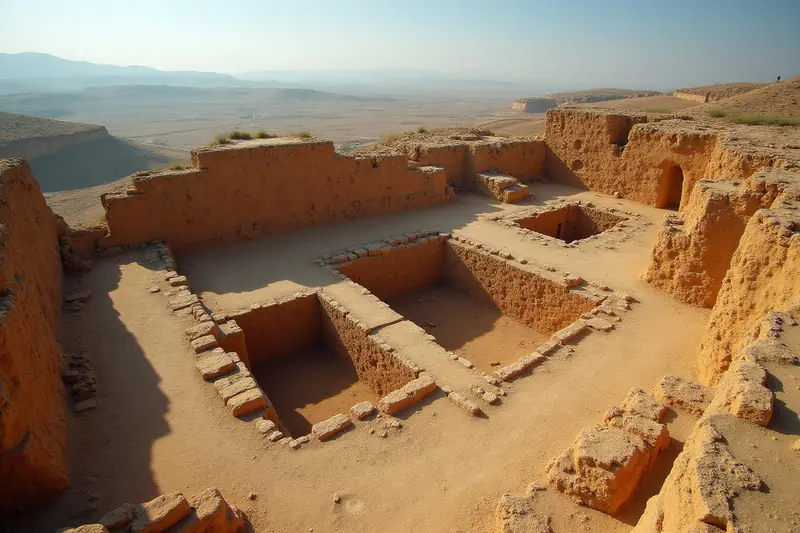
Archaeology. Tell Balata, on the eastern edge of Nablus, is identified with ancient Shechem. Occupied from the Chalcolithic period, with interruptions, the site reached its peak in the Middle Bronze Age (c. 1900–1550 BCE): cyclopean ramparts, monumental gates and a large fortress temple, often compared with the temple of "Baal-berith" in Judges 9. The city is mentioned as early as the 19th century BCE in an Egyptian inscription (the Khu-Sebek stela) and, in the 14th century, in the Amarna letters, where its king Labayu alarms Pharaoh's other vassals.
What to see today. The Tell Balata archaeological park (ramparts, east gate, temple), Jacob's Well, venerated since antiquity, Joseph's Tomb, and Mount Gerizim, the holy mountain of the Samaritans, with its sweeping views.
- Region
- Samaria, Nablus (about 50 km north of Jerusalem)
- Access
- Controlled area; prior coordination recommended
Bethel — calling on the Name
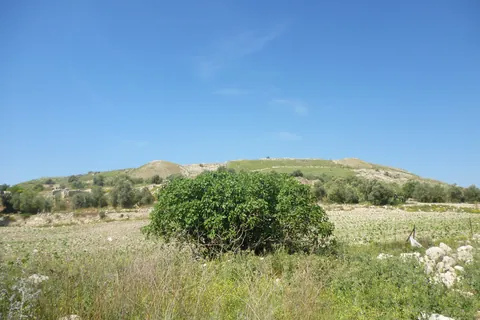
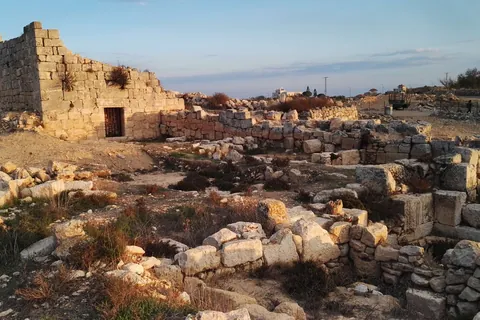 Beitin, near RamallahBethel – Abraham's Altar Between Bethel and AiAfter Shechem, Abraham builds an altar "between Bethel and Ai" and calls on the name of the LORD, then returns there after his stay in Egypt (Genesis 12:8; 13:1-4).View site →
In the Bible (Genesis 12:8; 13:3–4). Abram pitches his tent between Bethel and Ai, builds an altar and calls on the name of the LORD. He returns there after his stay in Egypt. Bethel, the "house of God", would later become one of the great sanctuaries of the kingdom of Israel.
"And he removed from thence unto a mountain on the east of Bethel, and pitched his tent, having Bethel on the west, and Hai on the east: and there he builded an altar unto the LORD, and called upon the name of the LORD."
Genesis 12:8 (KJV)
וַיַּעְתֵּק מִשָּׁם הָהָרָה מִקֶּדֶם לְבֵית־אֵל וַיֵּט אָהֳלֹה בֵּית־אֵל מִיָּם וְהָעַי מִקֶּדֶם וַיִּבֶן־שָׁם מִזְבֵּחַ לַיהוָה וַיִּקְרָא בְּשֵׁם יְהוָה
בראשית יב, ח
Archaeology. Bethel is traditionally identified with the village of Beitin. Excavations by W. F. Albright (1934) and then J. L. Kelso (1954–1960) uncovered Middle Bronze and Iron Age remains. The excavators saw evidence of a very ancient cult place; that interpretation remains debated, and a reassessment published in 2009 scaled back the extent of occupation in some periods.
What to see today. The remains at Beitin, ancient rock-cut cisterns and, on the nearby hill of Burj Beitin, Byzantine and medieval ruins with an open view to the east.
- Region
- Benjamin, about 15 km north of Jerusalem
- Access
- Possible with prior coordination
Tel Dan — pursuing the kings
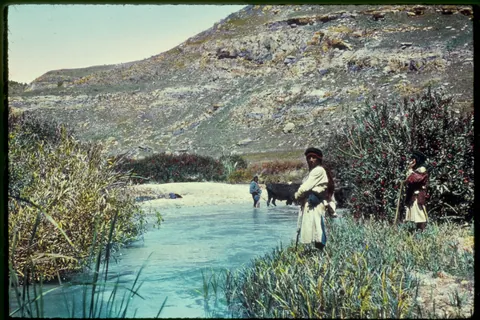
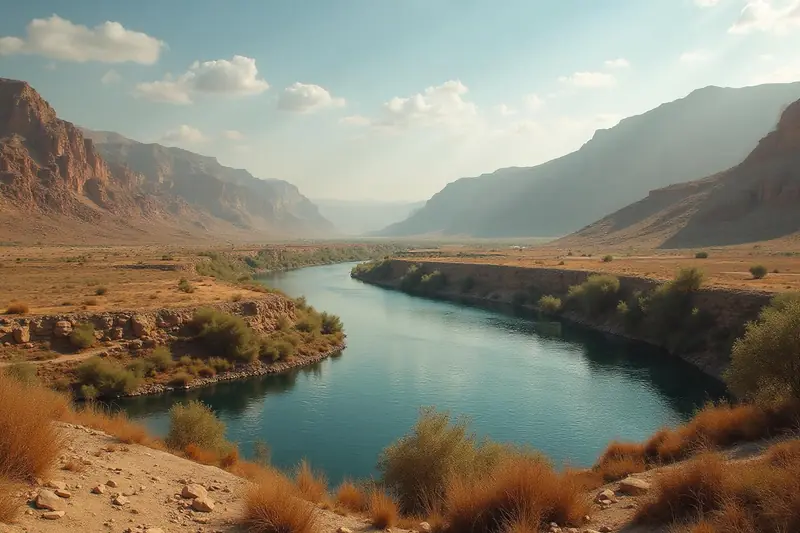
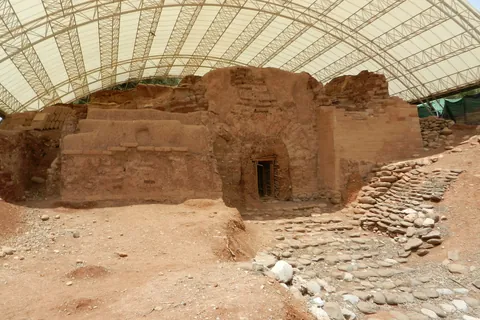 Upper Galilee, springs of the JordanTel Dan (Laish): On the Trail of Abraham's PursuitFrom Genesis 14 to the "House of David" stele: archaeology, nature and biblical history at the springs of the Jordan.View site →
In the Bible (Genesis 14:14–16). Hearing that his nephew Lot has been captured, Abram musters 318 men of his household and pursues the raiding kings as far as Dan. He attacks by night, frees Lot and recovers all the goods. The name "Dan" is an editorial update: the city was then called Laish and only took the name Dan after its conquest by the tribe of that name (Judges 18:29).
"And when Abram heard that his brother was taken captive, he armed his trained servants, born in his own house, three hundred and eighteen, and pursued them unto Dan."
Genesis 14:14 (KJV)
וַיִּשְׁמַע אַבְרָם כִּי נִשְׁבָּה אָחִיו וַיָּרֶק אֶת־חֲנִיכָיו יְלִידֵי בֵיתוֹ שְׁמֹנָה עָשָׂר וּשְׁלֹשׁ מֵאוֹת וַיִּרְדֹּף עַד־דָּן
בראשית יד, יד
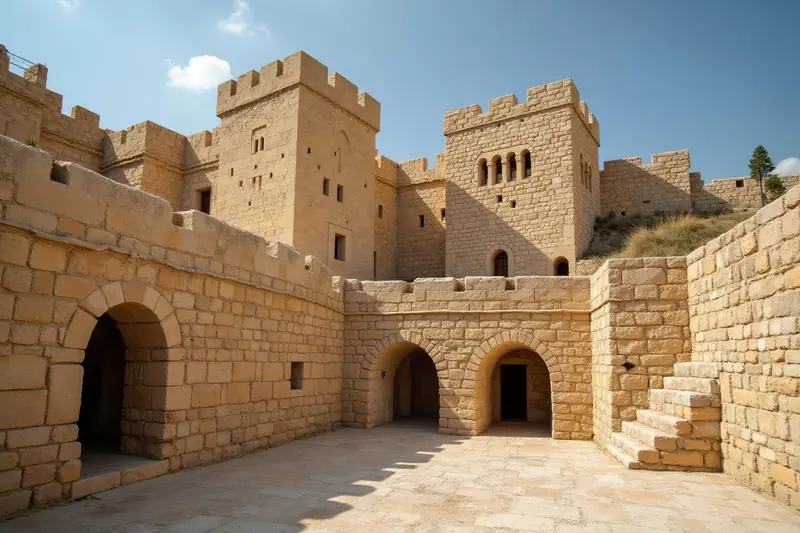
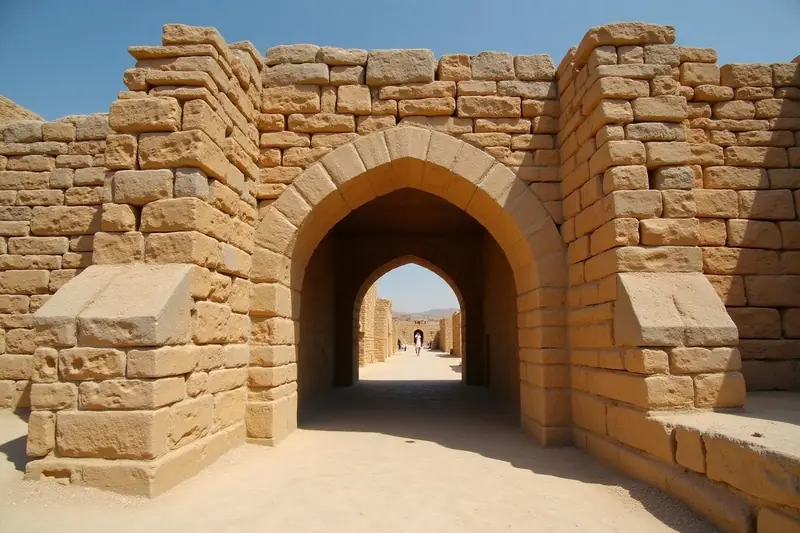
Archaeology. Excavated by Avraham Biran from 1966 to 1999, Tel Dan yielded a Canaanite mudbrick gate with three arches, dated to the Middle Bronze Age (c. 1750 BCE) — one of the oldest arched gateways known, in an exceptional state of preservation. Nicknamed "Abraham's Gate", it has no established direct link with the patriarch, but it illustrates the city of Laish at the time tradition assigns to the story. The site also produced the Tel Dan Stele (9th century BCE), an Aramaic inscription mentioning the "House of David", generally regarded as the earliest extra-biblical reference to the Davidic dynasty.
What to see today. The restored Canaanite gate, the Israelite gate and the cult platform associated with King Jeroboam I (1 Kings 12:29), and the springs of the Dan, one of the sources of the Jordan, in the heart of a lush nature reserve. The original stele is on display at the Israel Museum in Jerusalem.
- Region
- Upper Galilee, at the foot of Mount Hermon
- Access
- Developed nature reserve, very popular
Hebron — settlement and covenant
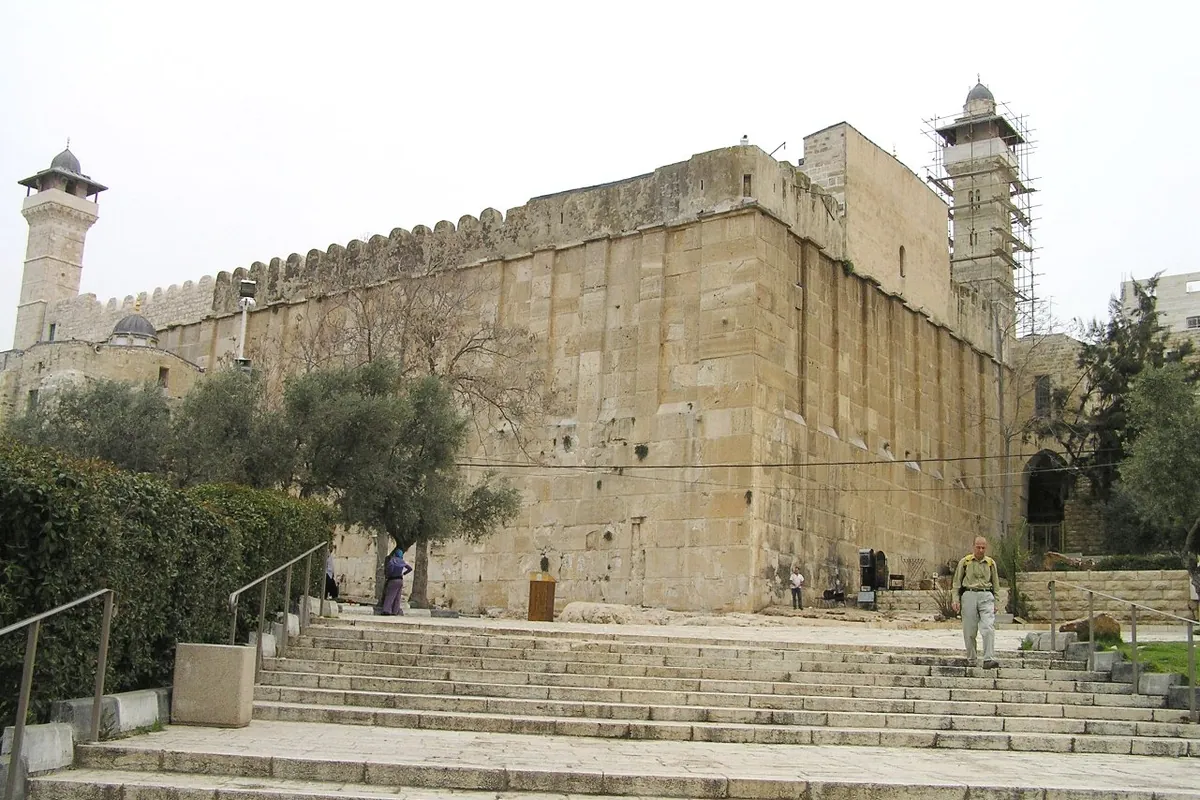
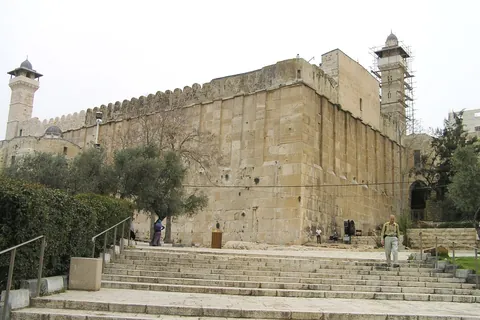 Hebron, Judaean HillsTomb of the Patriarchs – HebronA sacred site venerated by the three monotheistic religions, the traditional burial place of Abraham, Isaac and Jacob.View site →
In the Bible (Genesis 13:18; 23; 25:9). Abram settles by the oaks of Mamre at Hebron and builds an altar there. When Sarah dies, he buys the cave of Machpelah from Ephron the Hittite for 400 shekels of silver; it becomes the family burial place of the Patriarchs.
"Then Abram removed his tent, and came and dwelt in the plain of Mamre, which is in Hebron, and built there an altar unto the LORD."
Genesis 13:18 (KJV)
וַיֶּאֱהַל אַבְרָם וַיָּבֹא וַיֵּשֶׁב בְּאֵלֹנֵי מַמְרֵא אֲשֶׁר בְּחֶבְרוֹן וַיִּבֶן־שָׁם מִזְבֵּחַ לַיהוָה
בראשית יג, יח
Archaeology. Ancient Hebron lies at Tel Rumeida, occupied from the Early Bronze Age. Excavations there exposed a massive Middle Bronze city wall and an administrative cuneiform tablet from the same period. Some scholars have compared the negotiation in Genesis 23 with second-millennium Hittite law; others see closer parallels in Neo-Babylonian contracts of the first millennium. The debate remains open.
What to see today. The Tomb of the Patriarchs (Cave of Machpelah) and its Herodian enclosure, Tel Rumeida and its remains, and the site of Mamre (Ramat el-Khalil), about 3 km to the north.
- Region
- Judean Hills, about 30 km south of Jerusalem
- Access
- Controlled; hours and conditions vary by day
Sodom and Gomorrah — Abraham's intercession
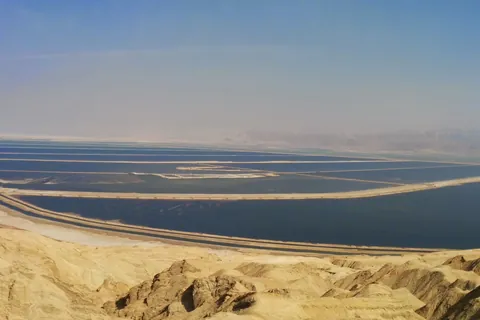 Dead Sea, southern basin (Mount Sodom)Sodom and Gomorrah: the Cities of the Plain and the Valley of SiddimFrom the Genesis narrative to the excavations at Bab edh-Dhra and Tall el-Hammam: what we know — and what we do not — about the cities destroyed near the Dead Sea.View site →
In the Bible (Genesis 18:16–33; 19:1–29). Abraham pleads with God for Sodom, where his nephew Lot lives. The cities of the plain are destroyed by brimstone and fire; only Lot and his daughters escape, while Lot's wife, looking back, becomes a pillar of salt.
"Then the LORD rained upon Sodom and upon Gomorrah brimstone and fire from the LORD out of heaven; and he overthrew those cities, and all the plain, and all the inhabitants of the cities, and that which grew upon the ground."
Genesis 19:24–25 (KJV)
וַיהוָה הִמְטִיר עַל־סְדֹם וְעַל־עֲמֹרָה גָּפְרִית וָאֵשׁ מֵאֵת יְהוָה מִן־הַשָּׁמָיִם וַיַּהֲפֹךְ אֶת־הֶעָרִים הָאֵל וְאֵת כָּל־הַכִּכָּר וְאֵת כָּל־יֹשְׁבֵי הֶעָרִים וְצֶמַח הָאֲדָמָה
בראשית יט, כד–כה
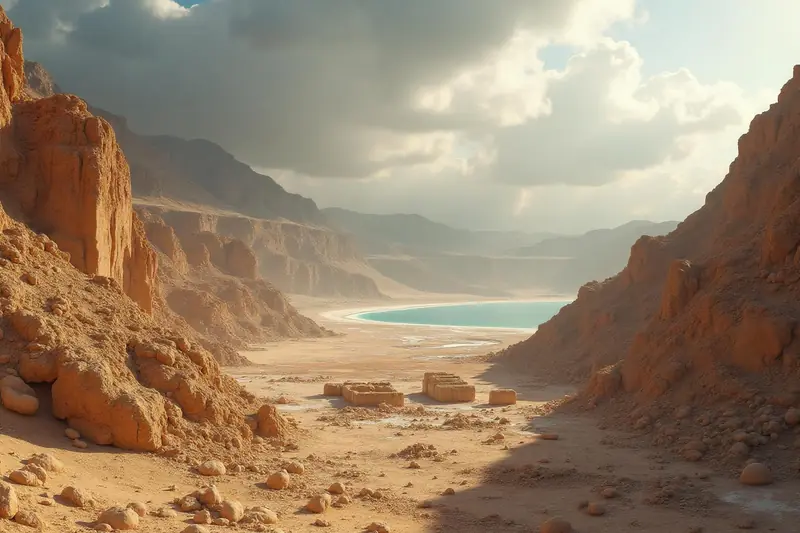
Archaeology. Sodom's location remains unknown. South-east of the Dead Sea, in Jordan, the sites of Bab edh-Dhra and Numeira, excavated by Walter Rast and Thomas Schaub, revealed fortified towns destroyed at the end of the Early Bronze Age (third millennium BCE) and extensive cemeteries; some identify them with Sodom and Gomorrah. Other scholars propose Tall el-Hammam, north-east of the Dead Sea, whose Middle Bronze destruction is also debated. No identification commands a consensus.
What to see today. Sweeping views over the Dead Sea and, on the Israeli side, Mount Sodom (Har Sedom), a salt massif where one pillar is nicknamed "Lot's Wife". The Jordanian sites of Bab edh-Dhra and Numeira are harder to reach.
- Region
- Southern Dead Sea (Israel and Jordan)
- Access
- Rough terrain; a guide is recommended
Mount Moriah — the sacrifice of Isaac
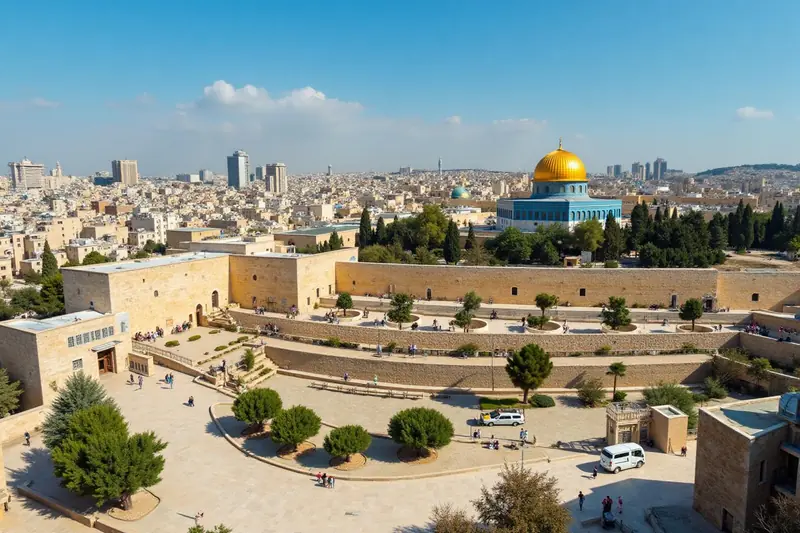
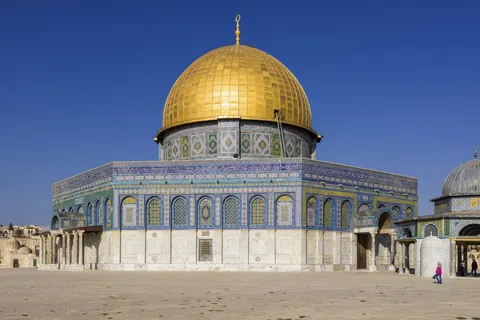
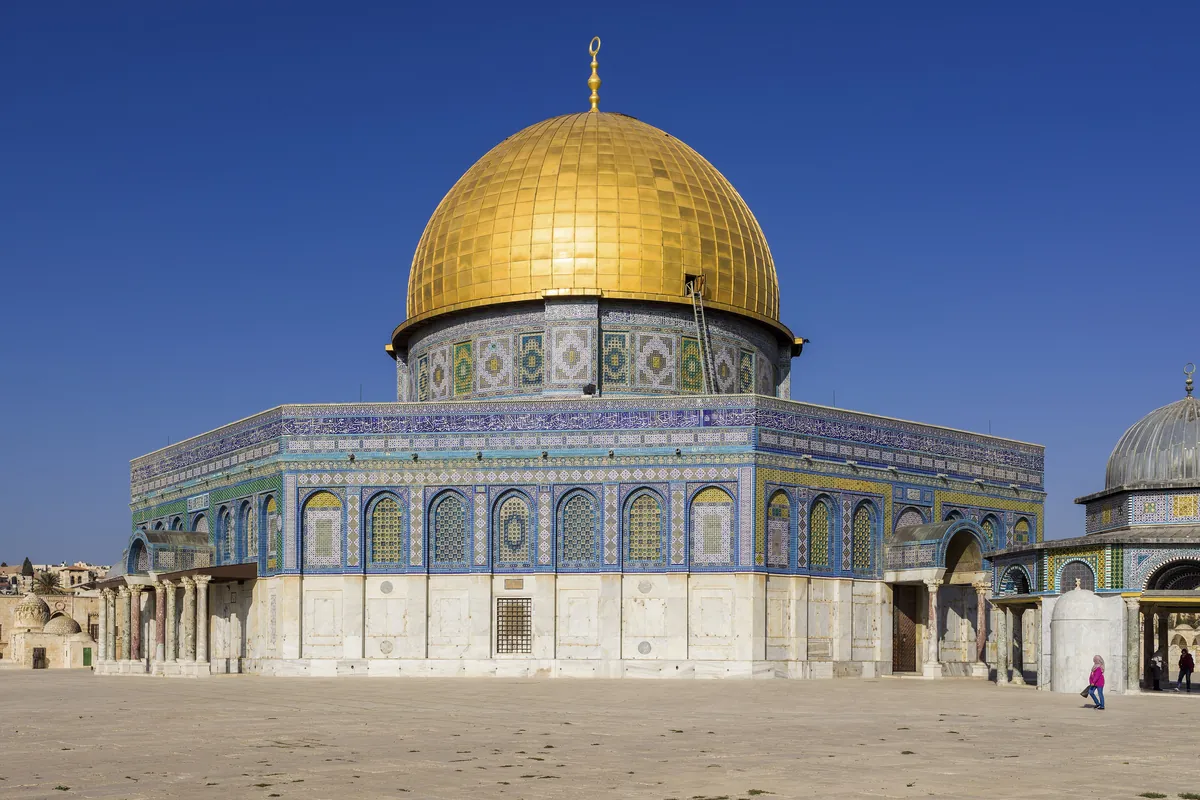
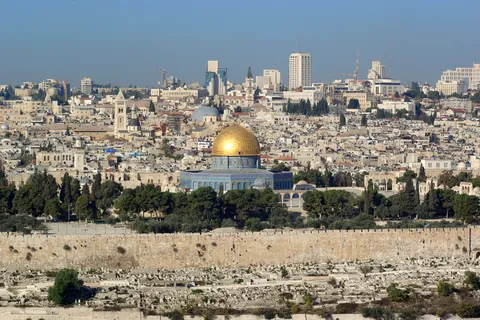 Old City of JerusalemMount Moriah: Abraham's Test, from the Biblical Story to the Temple MountWhere tradition places Abraham's test now stands the Temple Mount, one of the holiest sites in Judaism and Islam.View site →
In the Bible (Genesis 22:1–19; 2 Chronicles 3:1). God tests Abraham by asking him to offer his son Isaac on one of the mountains in "the land of Moriah". At the last moment an angel stays his hand, and a ram is offered in Isaac's place. The book of Chronicles places Solomon's Temple in Jerusalem on "mount Moriah".
"And he said, Take now thy son, thine only son Isaac, whom thou lovest, and get thee into the land of Moriah; and offer him there for a burnt offering upon one of the mountains which I will tell thee of."
Genesis 22:2 (KJV)
וַיֹּאמֶר קַח־נָא אֶת־בִּנְךָ אֶת־יְחִידְךָ אֲשֶׁר־אָהַבְתָּ אֶת־יִצְחָק וְלֶךְ־לְךָ אֶל־אֶרֶץ הַמֹּרִיָּה וְהַעֲלֵהוּ שָׁם לְעֹלָה עַל אַחַד הֶהָרִים אֲשֶׁר אֹמַר אֵלֶיךָ
בראשית כב, ב
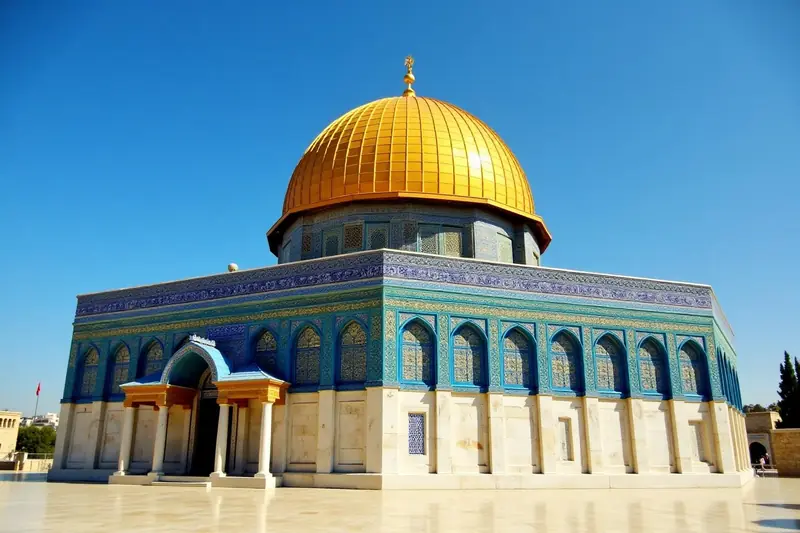
Archaeology and tradition. Jewish tradition, followed by Christianity and Islam, identifies Mount Moriah with the Temple Mount in Jerusalem, and the rock inside the Dome of the Rock with the place of the sacrifice; 2 Chronicles 3:1 is the only other biblical passage to name Moriah. Samaritan tradition, for its part, places the episode on Mount Gerizim. No excavation is permitted on the esplanade itself: our knowledge comes from excavations all around it (Western Wall, Ophel, Southern Wall) and from sifting the debris removed in 1999, which has yielded objects from the First Temple period. The visible platform is essentially the esplanade enlarged by Herod the Great in the late first century BCE.
What to see today. The esplanade (Haram al-Sharif) with the Dome of the Rock and al-Aqsa Mosque, the Western Wall (Kotel), the Western Wall Tunnels running along the Herodian foundations, and the panorama from the Mount of Olives.
- Region
- Jerusalem, Old City
- Access
- Regulated access to the esplanade; limited hours for non-Muslims
Beersheba — the oath and the well
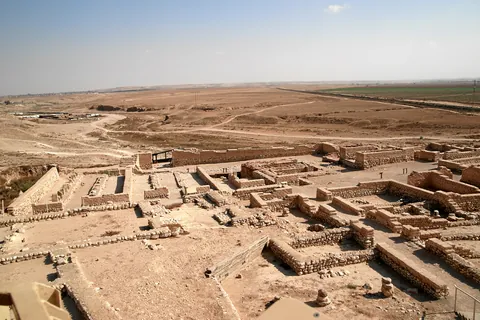 Negev, BeershebaBeersheba: the Well of the Oath and Abraham's TamariskAt Beersheba, Abraham seals a covenant with Abimelech over a well, plants a tamarisk and calls on the name of the Everlasting God.View site →
In the Bible (Genesis 21:22–34). Abraham makes a covenant with Abimelech, king of Gerar, over a well he has dug. The place is named Beersheba, "well of the oath" or "well of seven", after the seven ewe lambs given as a witness. Abraham plants a tamarisk there and calls on the name of the LORD; Isaac would later live there too.
"Wherefore he called that place Beersheba; because there they sware both of them."
Genesis 21:31 (KJV)
עַל־כֵּן קָרָא לַמָּקוֹם הַהוּא בְּאֵר שָׁבַע כִּי שָׁם נִשְׁבְּעוּ שְׁנֵיהֶם
בראשית כא, לא
Archaeology. Tel Beersheba (Tell es-Saba'), excavated from 1969 by Yohanan Aharoni and later by Ze'ev Herzog, is above all a fortified Iron Age town with a remarkably well-planned layout. A deep well dug near the gate is thought to go back to the beginning of the Iron Age. Chalcolithic villages existed in the surrounding area, but no Middle Bronze level has been identified on the mound itself — an important point in the debate over the dating of the patriarchal narratives.
What to see today. Tel Beersheba, a national park listed as a UNESCO World Heritage Site together with Tel Megiddo and Tel Hazor, with its gate, streets, houses and impressive underground reservoir; in town, the Abraham's Well visitor centre presents the tradition.
- Region
- Northern Negev, east of modern Beersheba
- Access
- Developed site, easy to reach

 Story 1 · AbrahamControlled access