
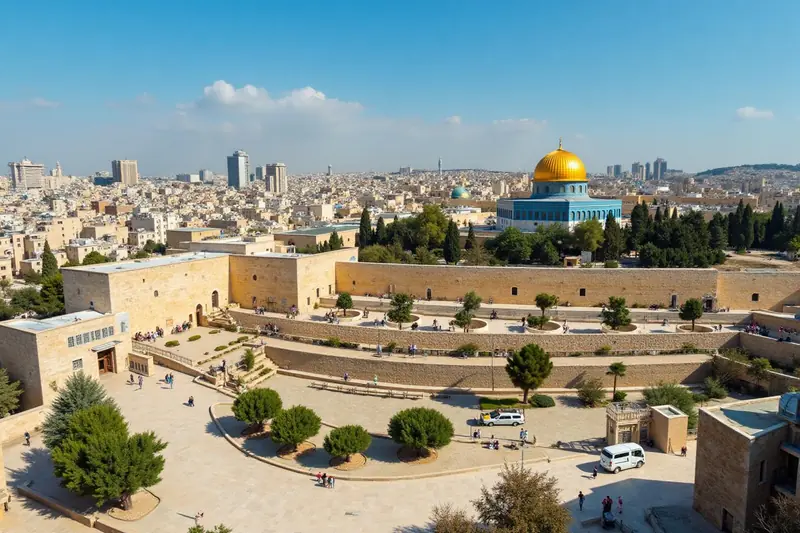
Mount Moriah: Abraham's Test, from the Biblical Story to the Temple Mount
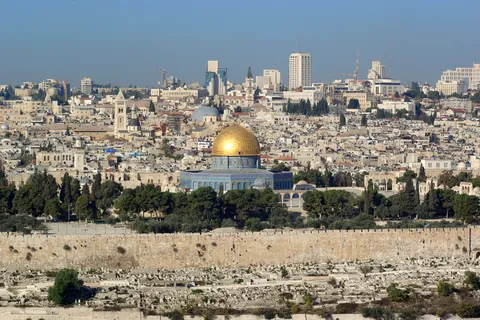
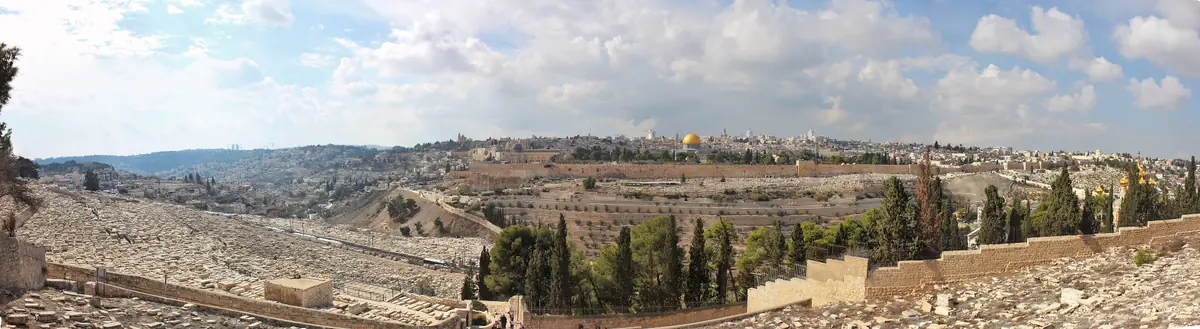
Where tradition places Abraham's test now stands the Temple Mount, one of the holiest sites in Judaism and Islam.
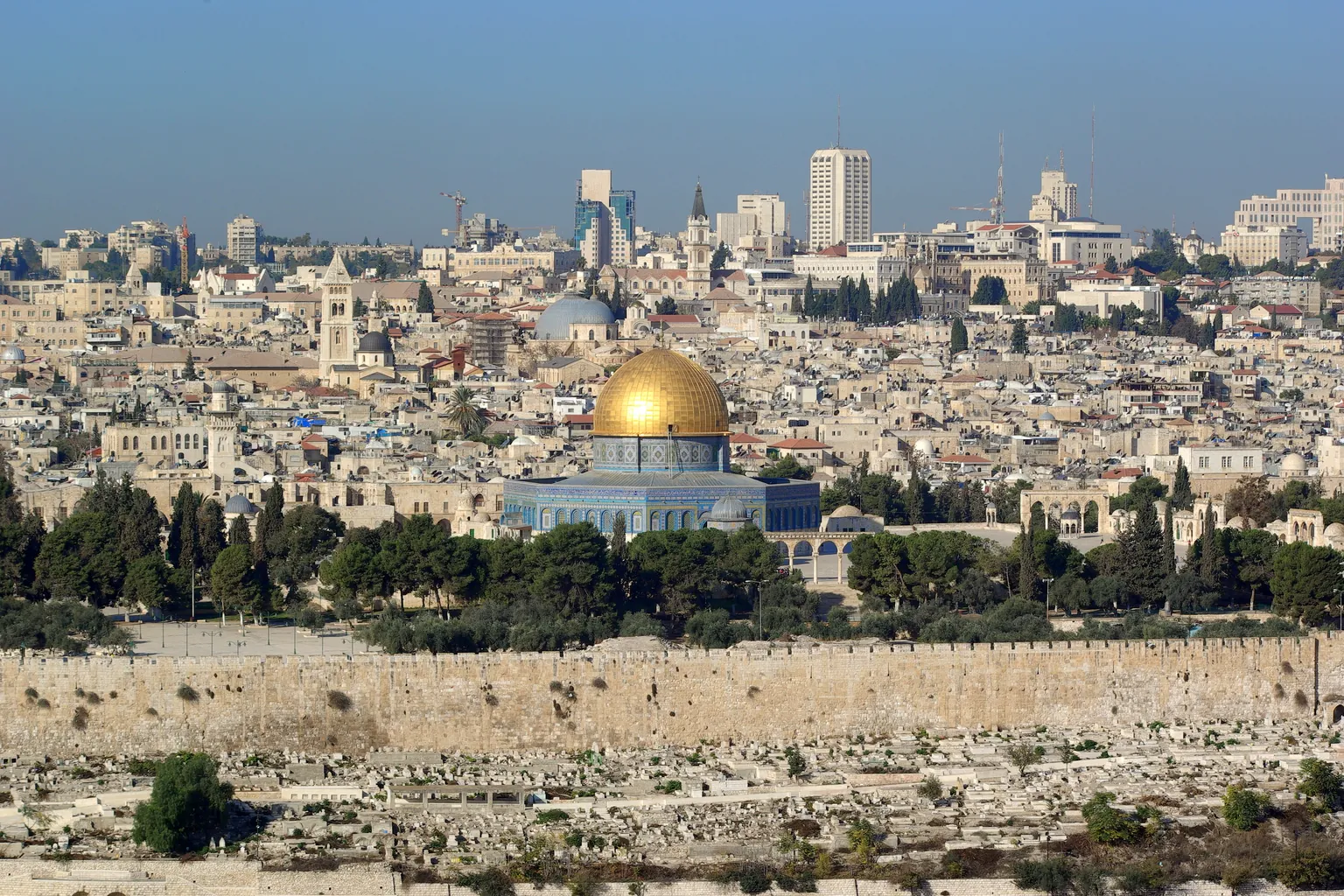
Biblical archaeology in Israel
Hebron, Beersheba, Tel Dan, Mount Moriah: what the text says, what archaeologists have found, and how to get there today.
Put together your biblical journey Pick your places, answer 4 questions: get your day-by-day programme, with the map and driving times.
Free • No sign-up • PDF export
Every page distinguishes what the text says what the excavations show what belongs to tradition
Six must-see places to start with, from Jerusalem to Galilee by way of the Dead Sea: all the others are on the map.
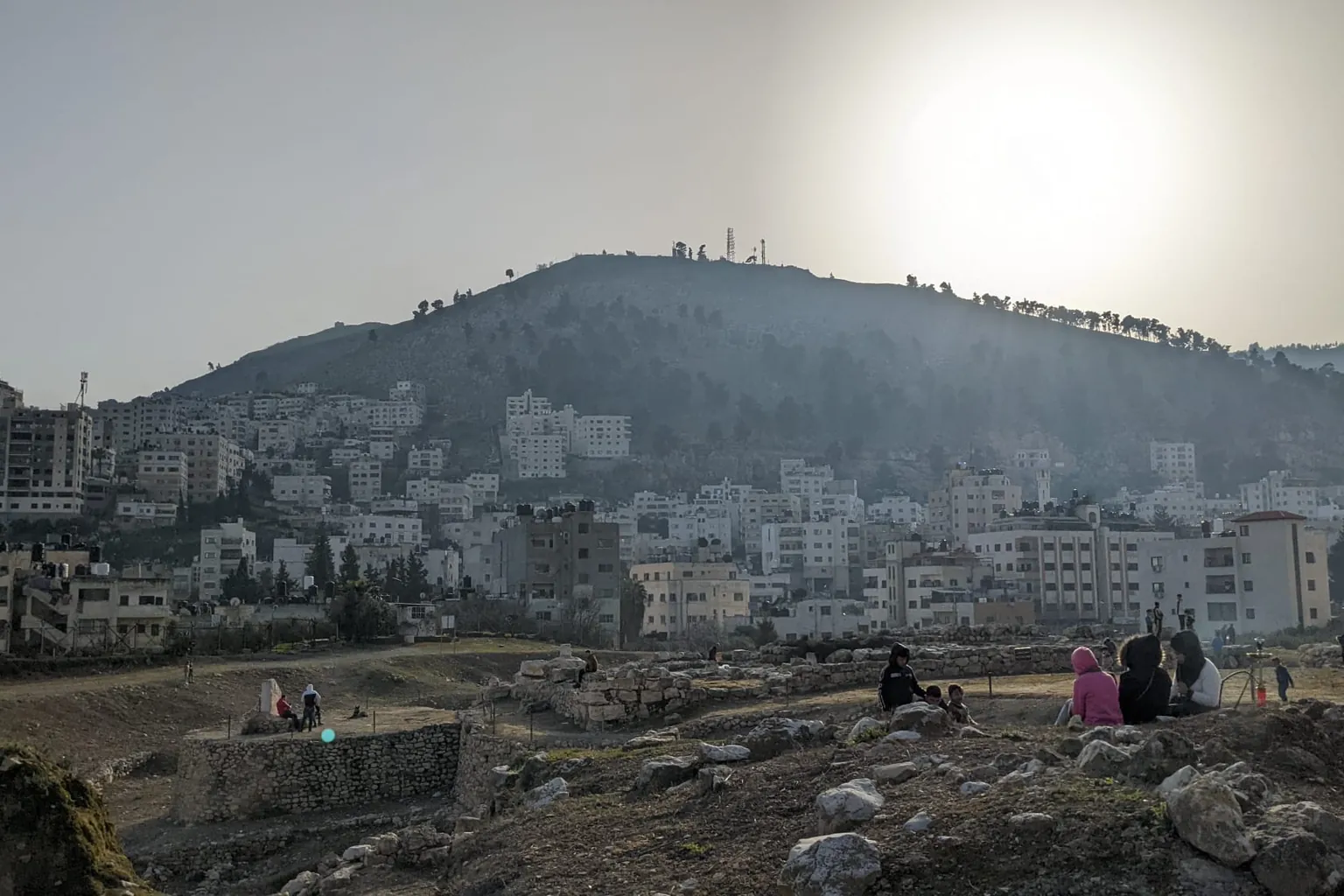
Where tradition places Abraham's test now stands the Temple Mount, one of the holiest sites in Judaism and Islam.
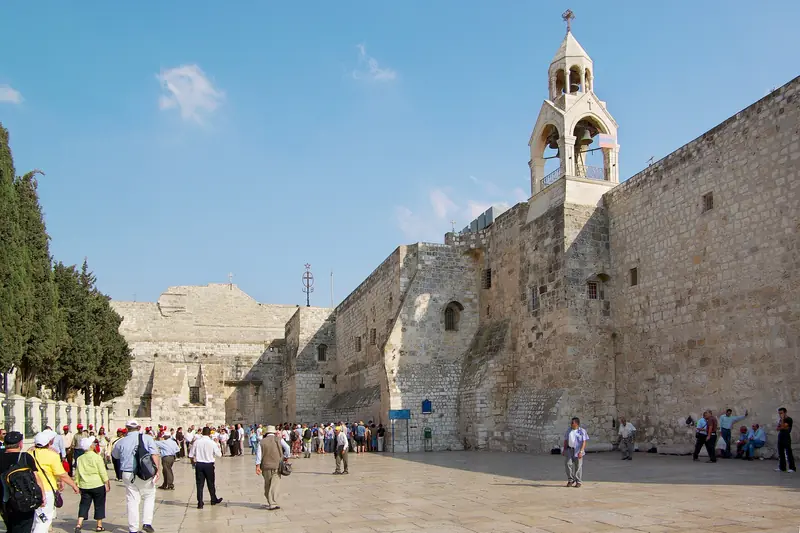
The town of Ruth and David, where the Gospels place the birth of Jesus: a cave venerated since the 2nd century, beneath one of the oldest churches in the world still in use.
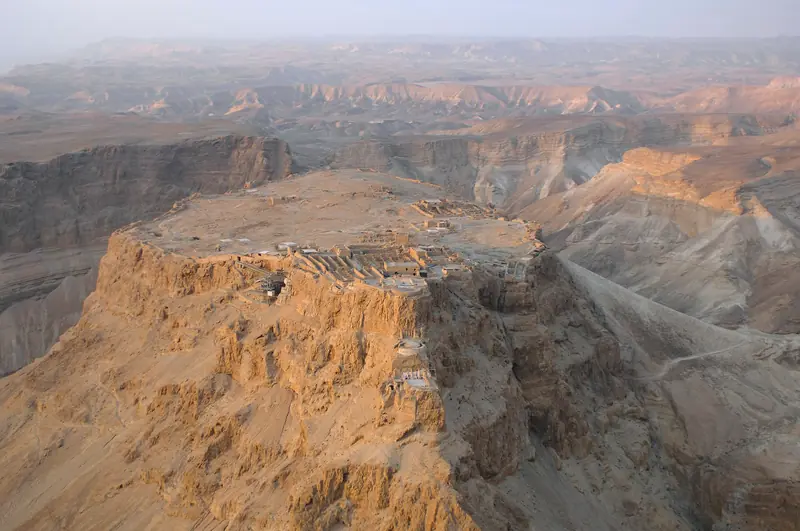
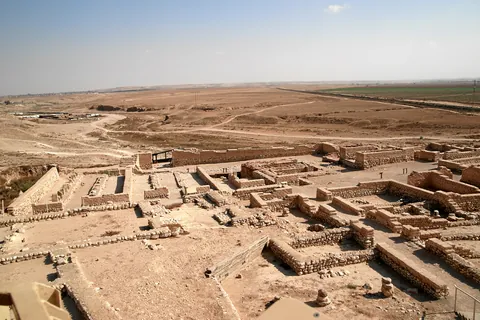
A palace hanging on the edge of the desert, the last stronghold of the Jewish revolt against Rome, and a famous story that archaeology illuminates without settling every question.
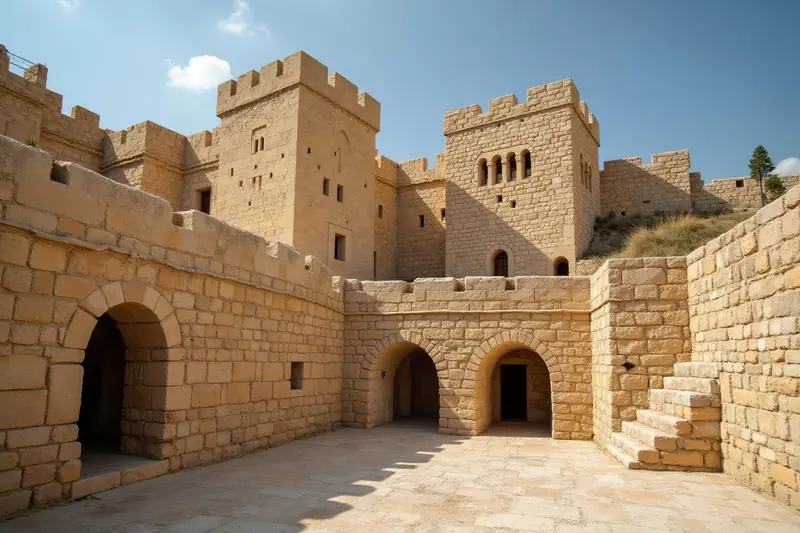
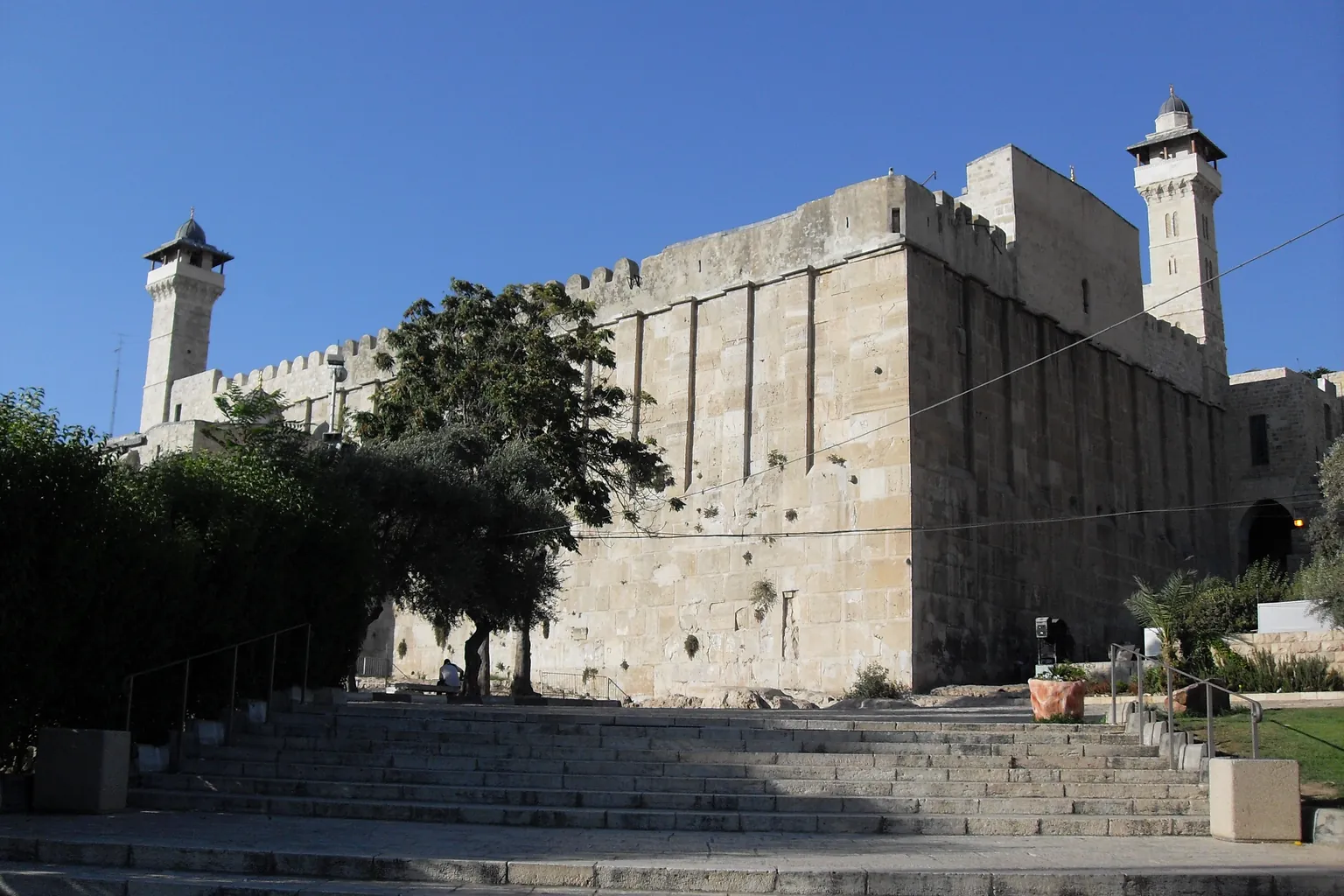
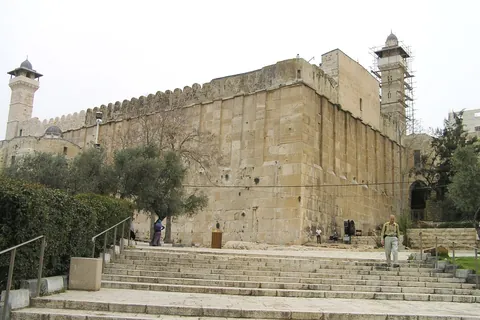
A sacred site venerated by the three monotheistic religions, the traditional burial place of Abraham, Isaac and Jacob.
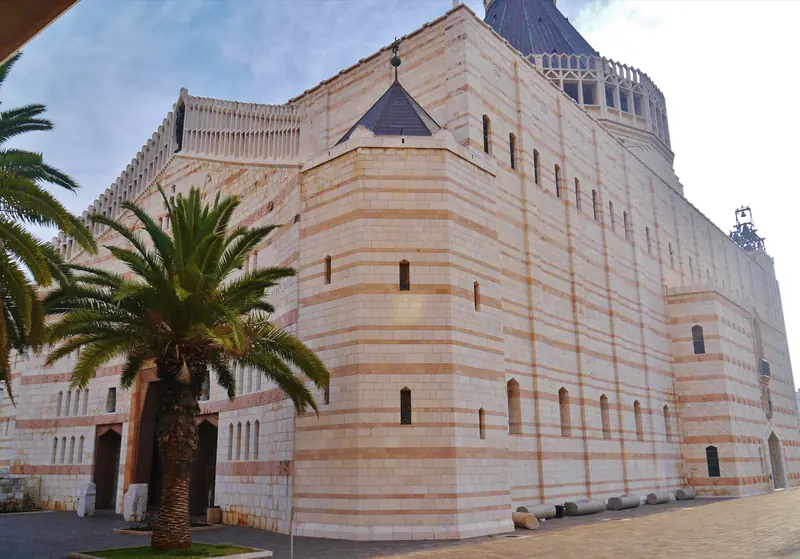
The Galilean village where the Gospels place the Annunciation and the childhood of Jesus, today Israel's largest Arab city: shrines, excavations and visiting tips.
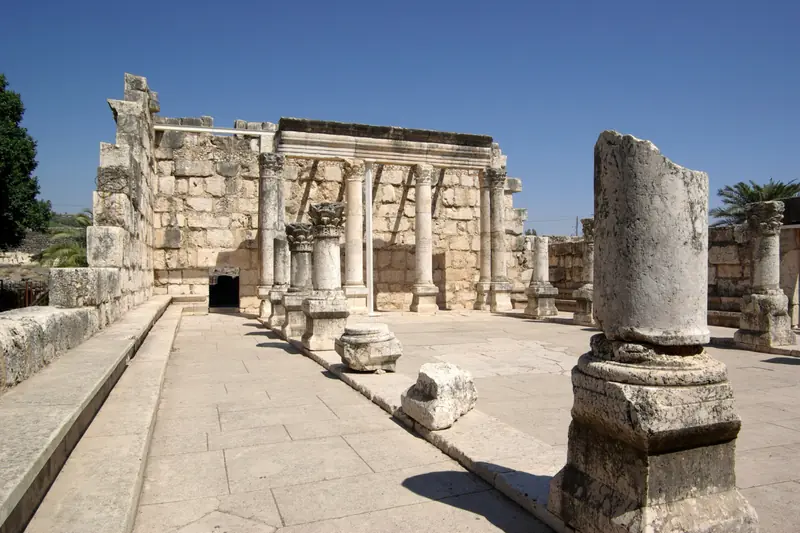
The fishing village where Jesus settled, taught in the synagogue and stayed with Peter: what the Gospels say, what the excavations found and what you can see today.
From the Patriarchs to the prophets, or in the footsteps of Jesus: each Testament has its periods and places to visit.
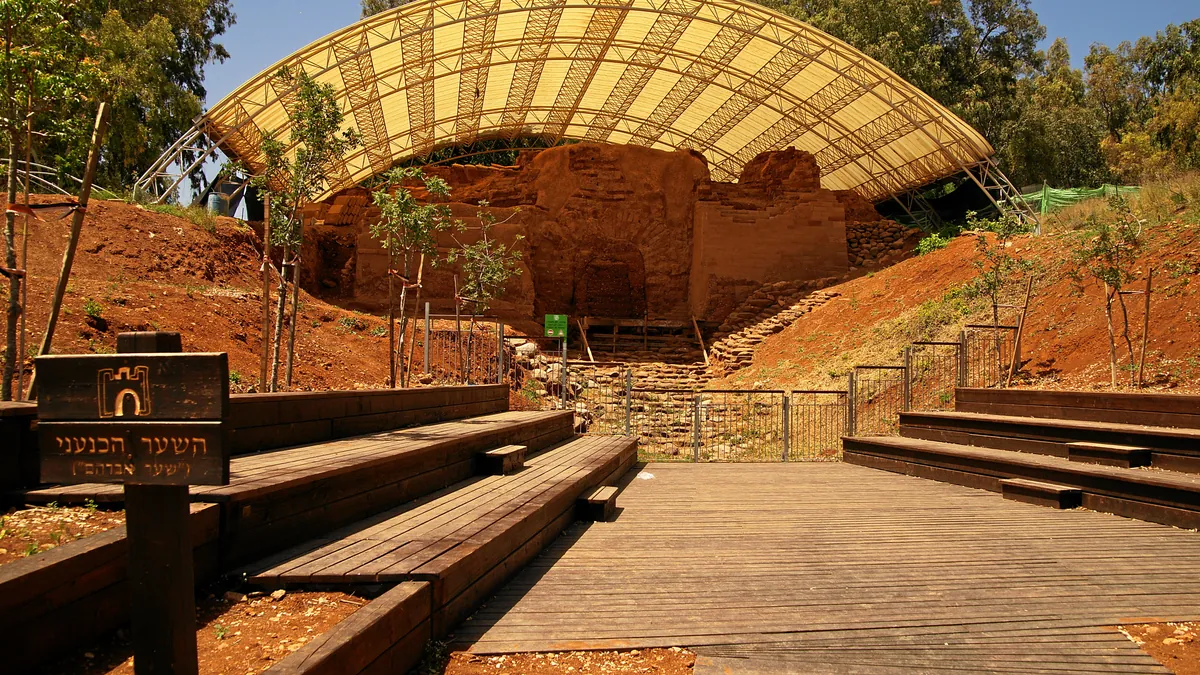
Each story leads you to the place where the Bible sets it, and each period to its sites.
Old Testament
Between the Testaments
New Testament
Recent discoveries, in-depth analyses and thematic features on biblical archaeology.
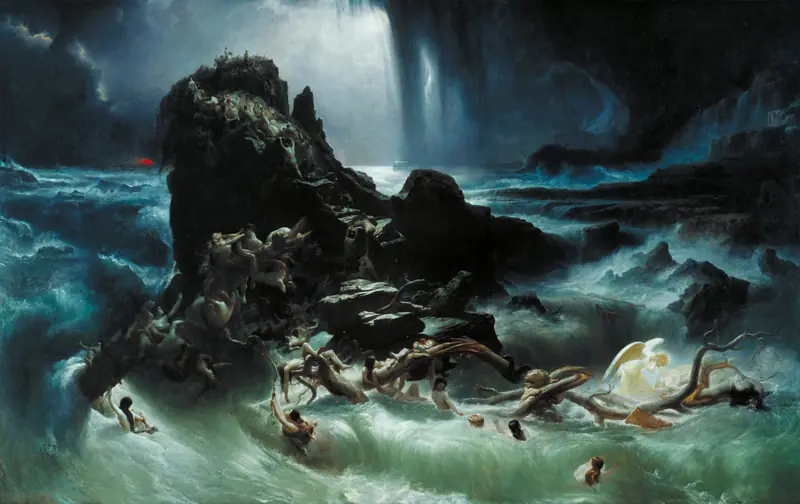
India, China, Greece, the Americas, Mesopotamia: flood stories around the world and three ancient tablets that record them, set beside the story of Noah.
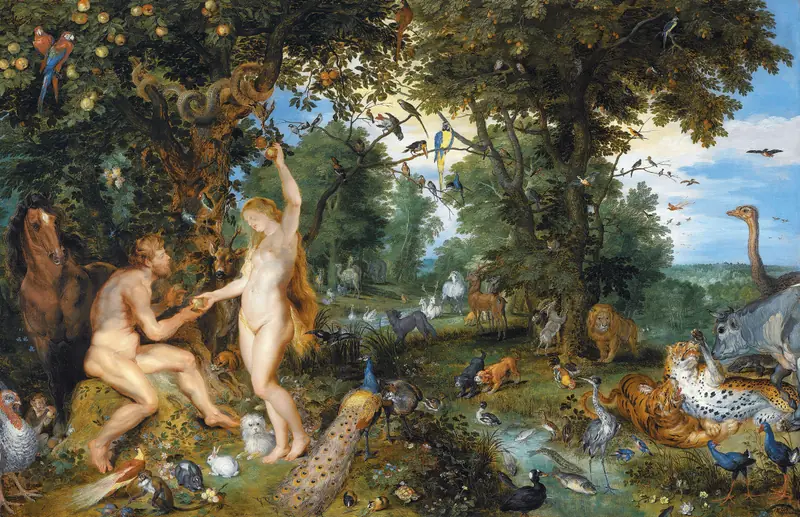
Tigris, Euphrates, the Persian Gulf or Hebron? What Genesis says about the Garden of Eden, what scholars suggest, and the traditions that link it to Israel.
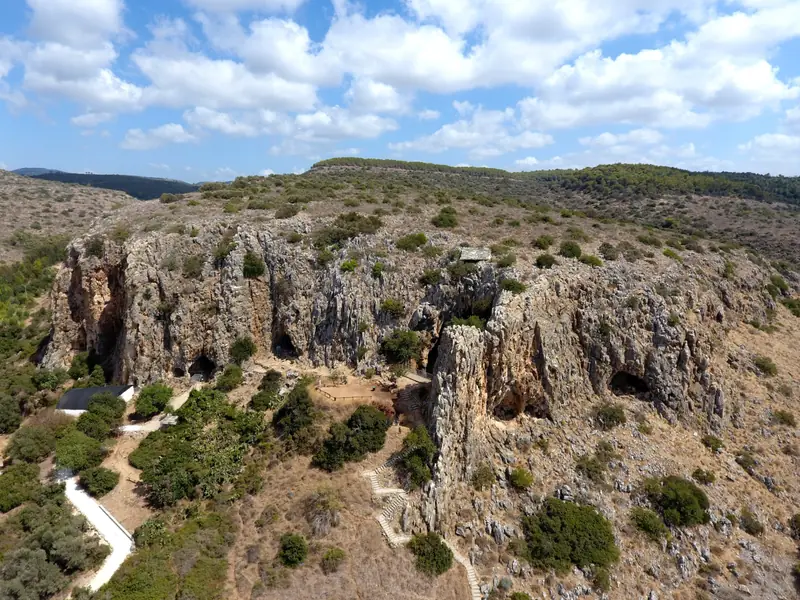
Four prehistoric sites to visit in Israel and five more closed to the public: over a million years of human history, from Mount Carmel to the Jordan.
The past lies beneath sand and stone, waiting to be rediscovered. Archaeologists bring to light potsherds, walls and seals: so many clues that help us picture how people lived thousands of years ago.
But archaeology is like a puzzle with pieces always missing. That is where the Bible can help fill the gaps: an ancient narrative, to be patiently compared with discoveries in the field. Here you will find what you need to understand, see and experience these ancient pages, and to plan your visits in practical terms with Plan my tour.
Anthony Israel AiacheFounder of IsraBible · Our method and sources

Use our Plan my tour planner: in four questions (length of stay, interests, pace and Judea and Samaria sites), it builds a day-by-day programme across about forty places, with driving times, a suggested town for each night and a map. You can then adjust the tour, get it by e-mail and check access conditions on each site's page.
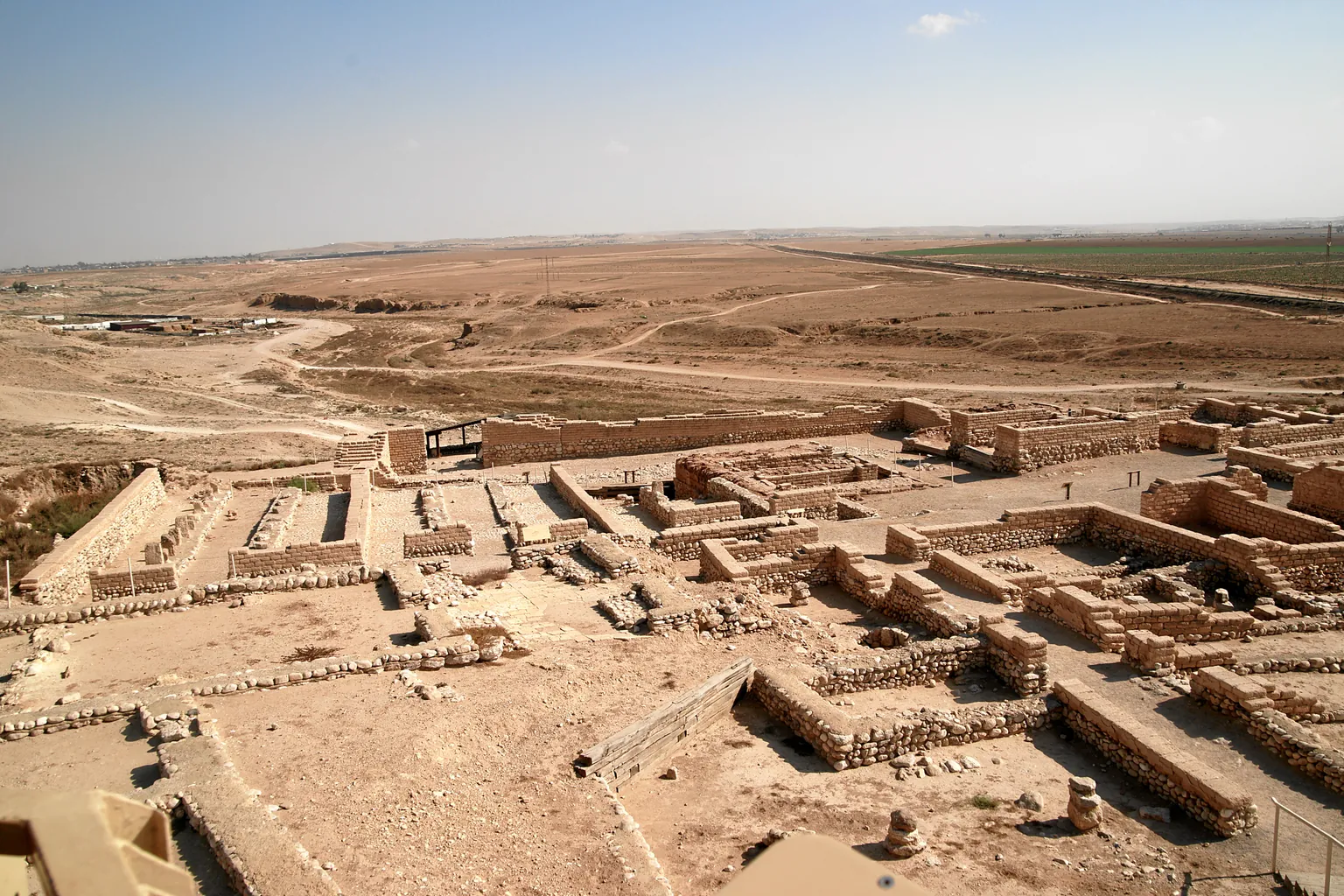
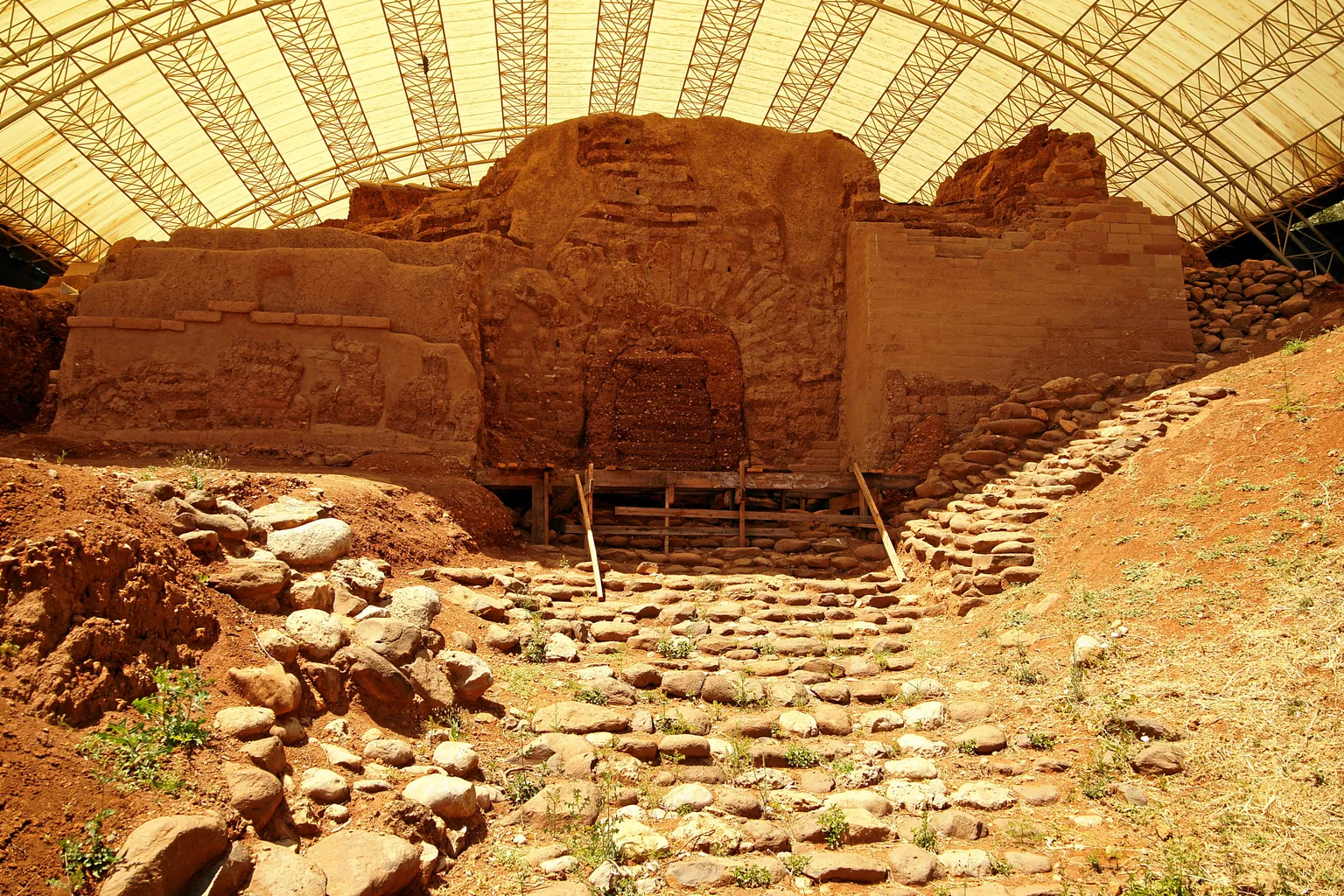
For a first discovery, begin with the period of the Patriarchs: Hebron, Beersheba, Tel Dan and Mount Moriah all belong to it and are among the most evocative places of the biblical narrative. The period of the Judges and Kings also offers many excavated sites, while Jerusalem holds remains from almost every era.
Accessibility varies greatly from one site to another. Each place page shows an access level (easy, moderate or difficult), an estimated visit time and practical tips. Ancient tells often have dirt paths, steps and little shade: if you are travelling with a pushchair or a person with reduced mobility, check with the site's operator before you go.
Yes. The planner and the "My tour" page are completely free and require no sign-up. Your tour is stored in your browser. To receive it by e-mail, export it as a PDF or share it, you just leave your details.
Yes. Every place page has a "Getting there & GPS" section with the site's coordinates, a map and buttons that open navigation directly in Waze, Google Maps or Apple Maps. Always check the suggested route and access conditions before setting off.
Yes. IsraBible is published in French, English and Hebrew; the language selector is in the header of every page. The Hebrew version reads from right to left. A page is only offered in a language once its translation is complete.
Our content draws on the biblical text, published excavation reports, announcements from the Israel Antiquities Authority and the academic literature. We distinguish between what the text says, what archaeology shows and what belongs to tradition, and we point out scholarly debates where they exist. Our method is explained on the About page; spotted a mistake? Let us know.
On any place page, click "Add to my tour": a message confirms it has been added. You will then find your stops on the "My tour" page, where you can reorder them, remove them one by one or clear the whole list. Everything is saved automatically in your browser, with no account needed.