Lot’s Cave in Jordan: sanctuary and visitor guide
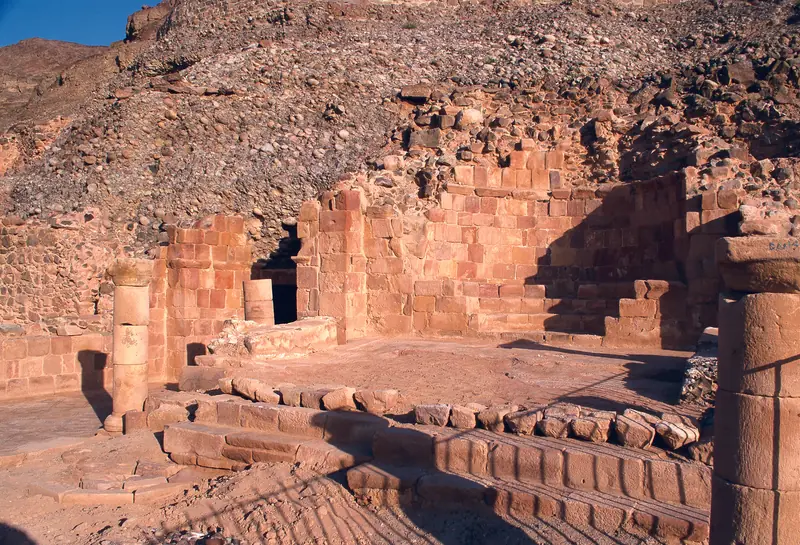
Above Ghor Safi, a Byzantine sanctuary preserves the tradition of Lot’s refuge after the destruction of Sodom.
Biblical period: The Patriarchs
Southeast of the Dead Sea, the Ghor Safi region provides a setting for exploring historic Zoara and the memory of Zoar.
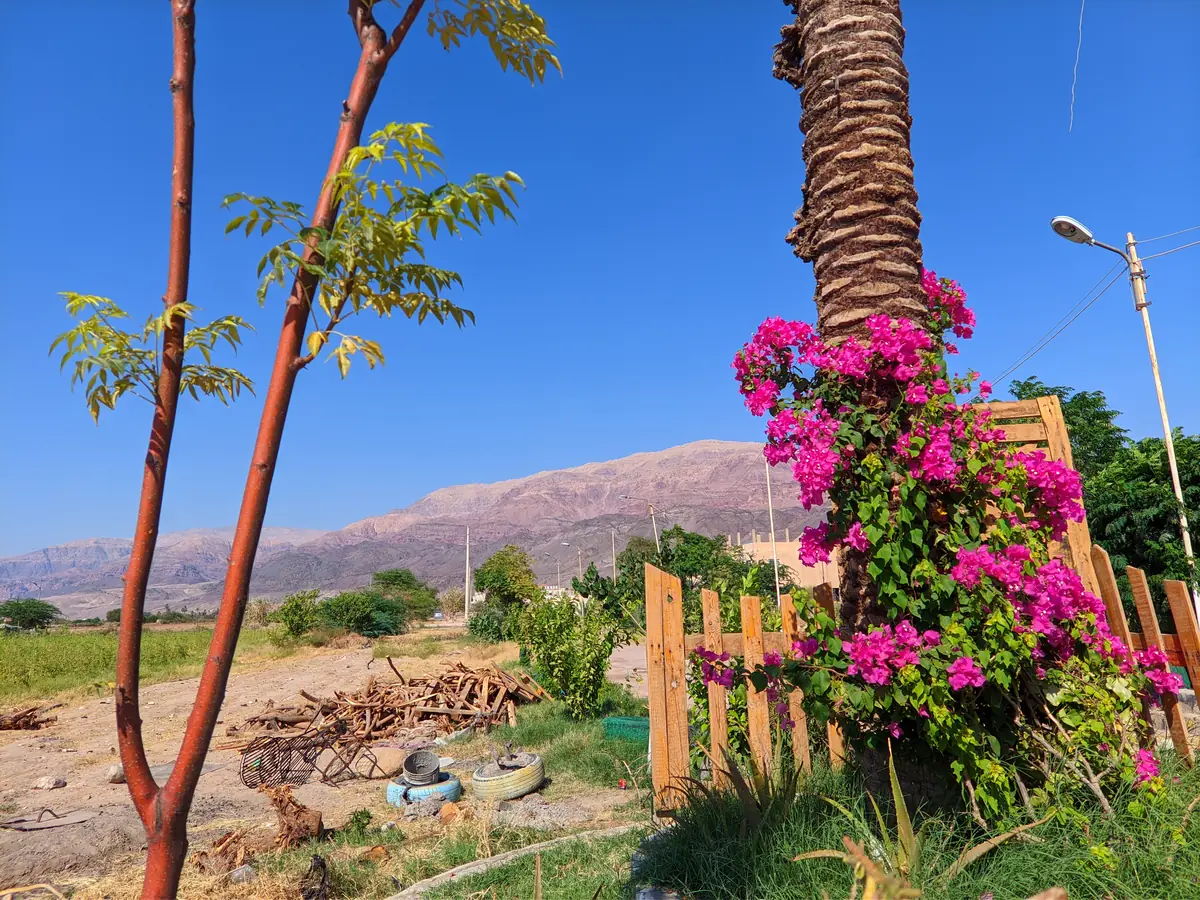
Zoar, also called Bela in Genesis 14, is the small city where Lot initially finds refuge. Historic Zoara is associated with the Ghor Safi area of Jordan. This continuity of memory does not establish the exact site of the city in the patriarchal narrative.
This guide covers a region. The map locates Ghor Safi rather than an ancient gateway or an excavation securely attributed to the Zoar of Genesis.
In brief
Parashat Lech Lecha (Genesis 12–17) Parashat Vayera (Genesis 18–22)
Plan my visit
| Type of visit | Landscape and separate sites around Ghor Safi. |
|---|---|
| Duration | Depends on selected stops; there is no single duration for the region. |
| Check ahead | Site opening, usable roads and local permissions. |
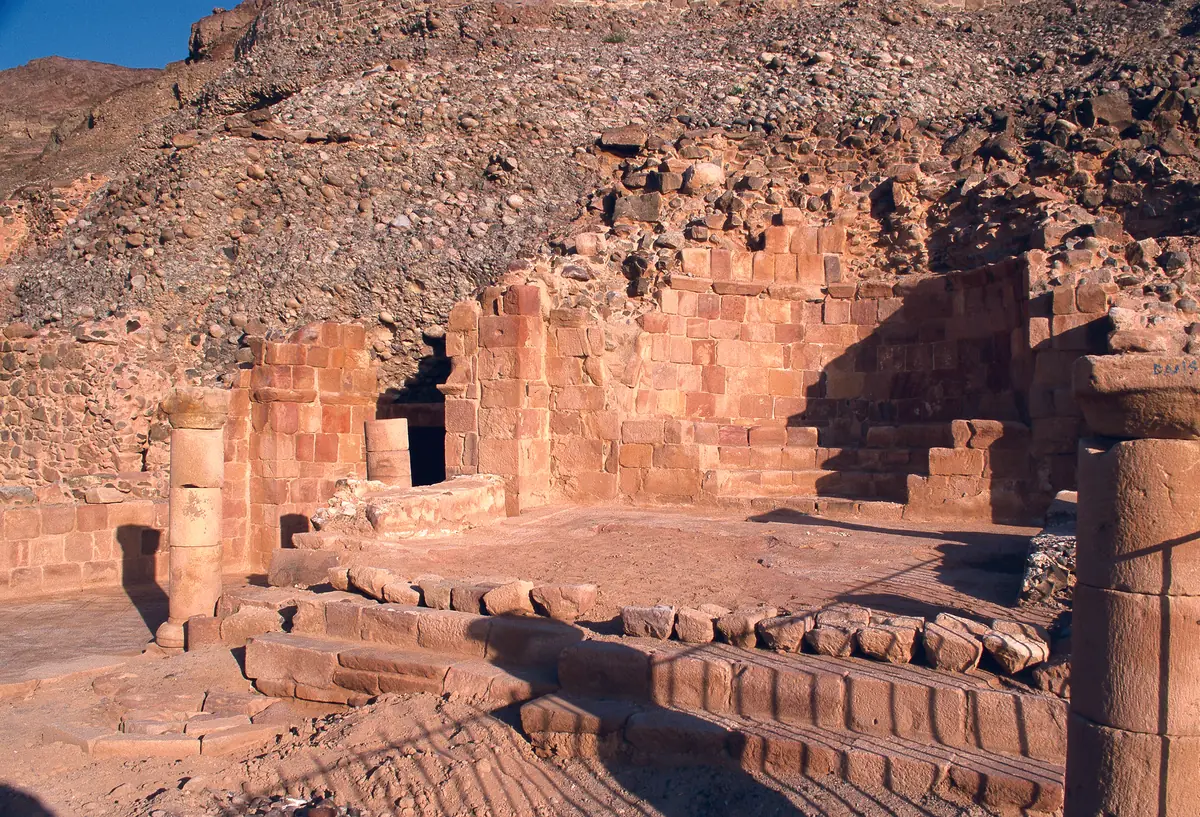
Lot’s Cave is a distinct stop on the nearby hillside. Explore the southern Dead Sea landscape through open visitor sites and authorised roads. Plan around the heat and confirm heritage visits ahead of time. Agricultural land and isolated ruins are not automatically public visitor areas.
Nearby
This page covers a region. Choose a specific site on the map to add to your itinerary.
History & Bible
Bible story
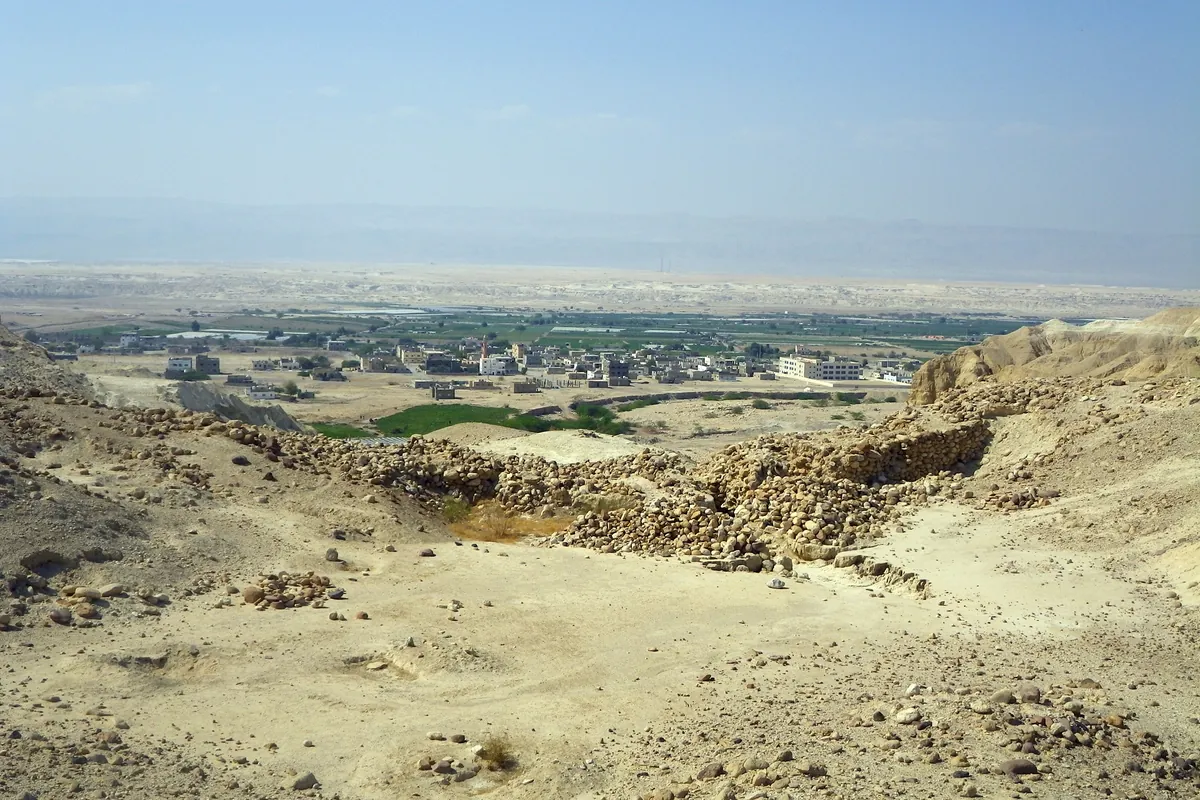
Genesis 14:2 and 14:8 name Bela and identify it as Zoar. In Genesis 19:20-23, Lot asks to take refuge in this small city instead of immediately fleeing to the mountains. Later, afraid to remain, he moves to a cave. The narrative describes two separate stages, which should not be merged into one location.
History
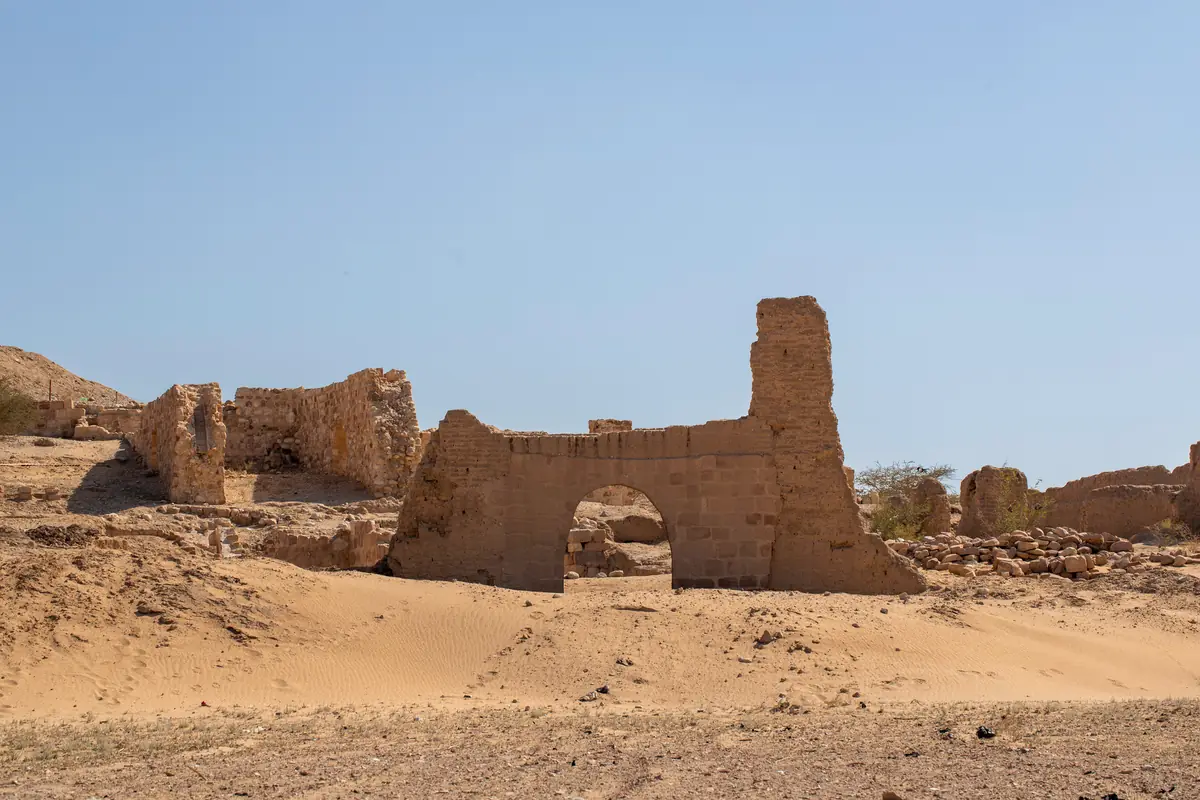
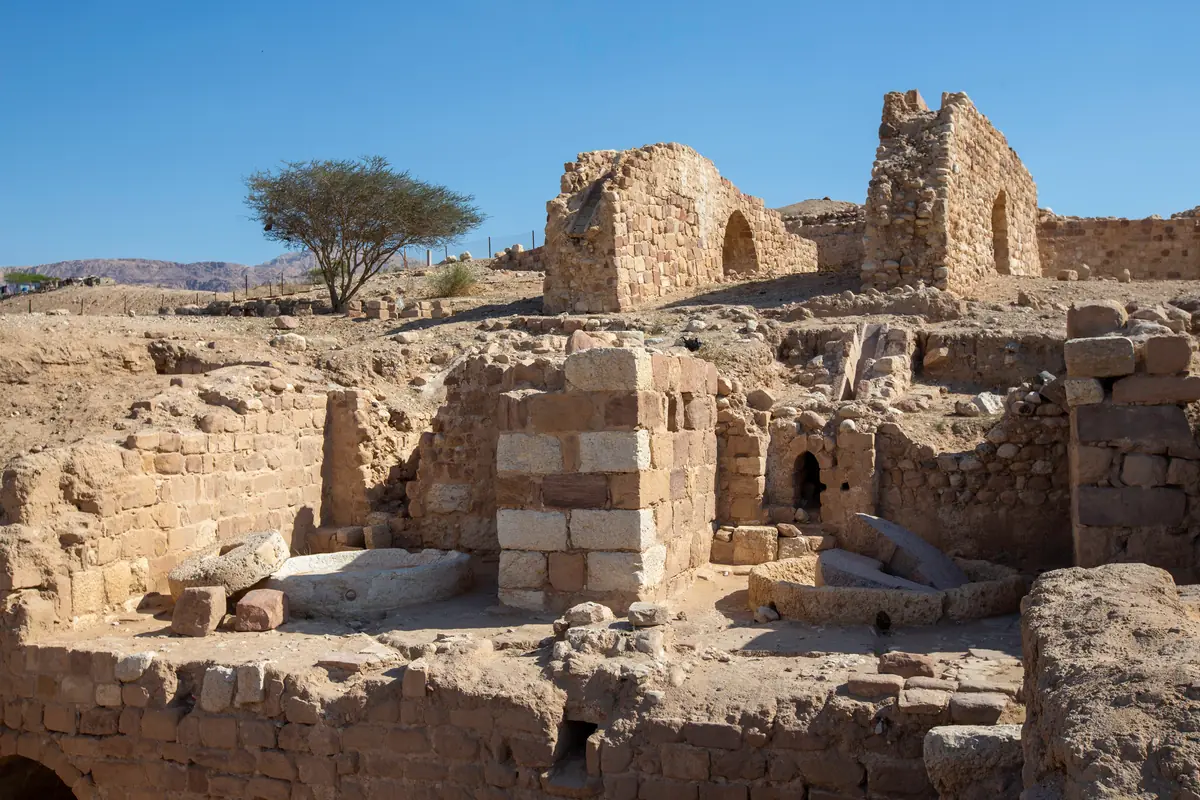
Zoara’s place in regional history underlies the association with Ghor Safi. It does not establish the boundaries of a Bronze Age city. As with the sites proposed for Sodom and Gomorrah, transmitted names and archaeological remains from different periods need to be considered separately.
These sites share a story but are not necessarily close to each other: distances are given in a straight line.
Above Ghor Safi, a Byzantine sanctuary preserves the tradition of Lot’s refuge after the destruction of Sodom.
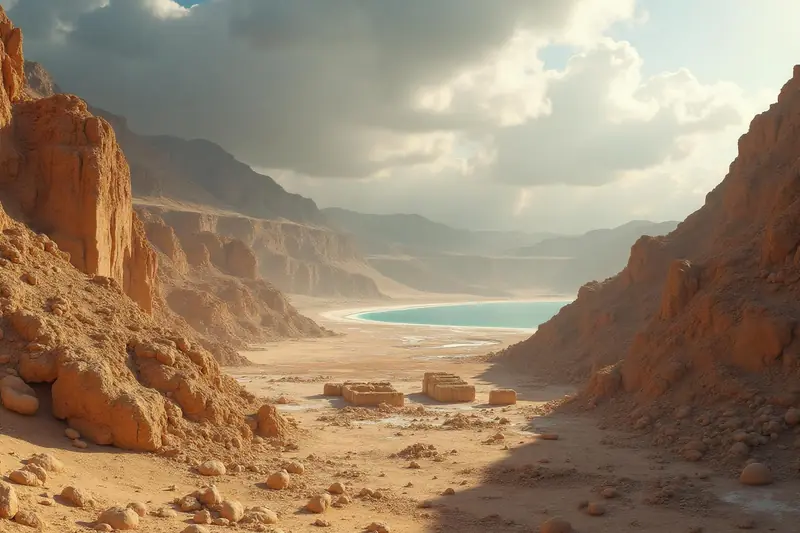
From the Genesis narrative to the excavations at Bab edh-Dhra and Tall el-Hammam: what we know — and what we do not — about the cities destroyed near the Dead Sea.
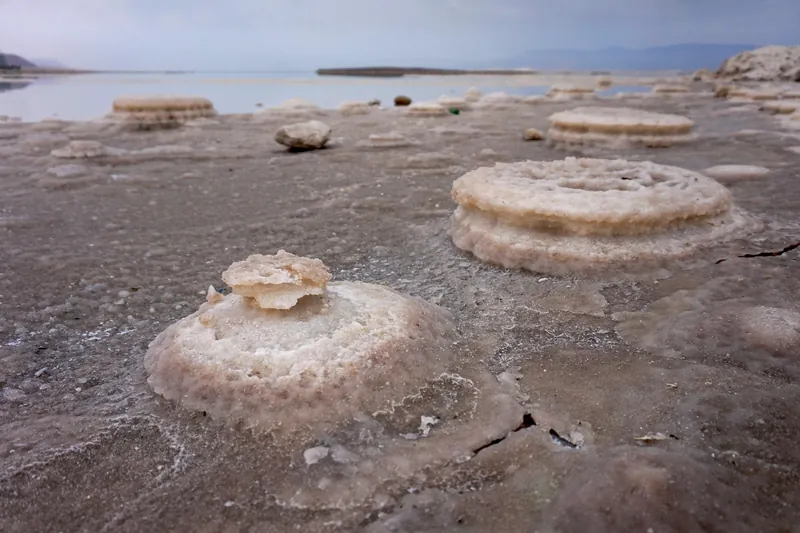
The biblical Salt Sea is a landscape of cliffs, oases and salt-lined shores, best explored through individual visitor sites.
Yes. Genesis 14 explicitly identifies Bela with Zoar.
The association with Ghor Safi is well known, but does not demonstrate the exact site of the city in the story.
The region has visitor destinations. Each stop needs to be selected and checked separately.
The account distinguishes the city from the mountain cave. The nearby traditional sanctuary has its own guide.
The map reference represents an area, not a monument entrance.
The Ghor Safi area is in Jordan’s Karak Governorate, southeast of the Dead Sea. It is a region rather than a monument with a single entrance.
After asking to take refuge in the small town, Lot becomes afraid to stay there. Genesis 19:30 says that he goes up into the mountains with his two daughters and settles in a cave.
There is no single visiting time for the whole region. Choose your stops first, then confirm opening, usable roads and local permissions; adapt the itinerary to the heat.