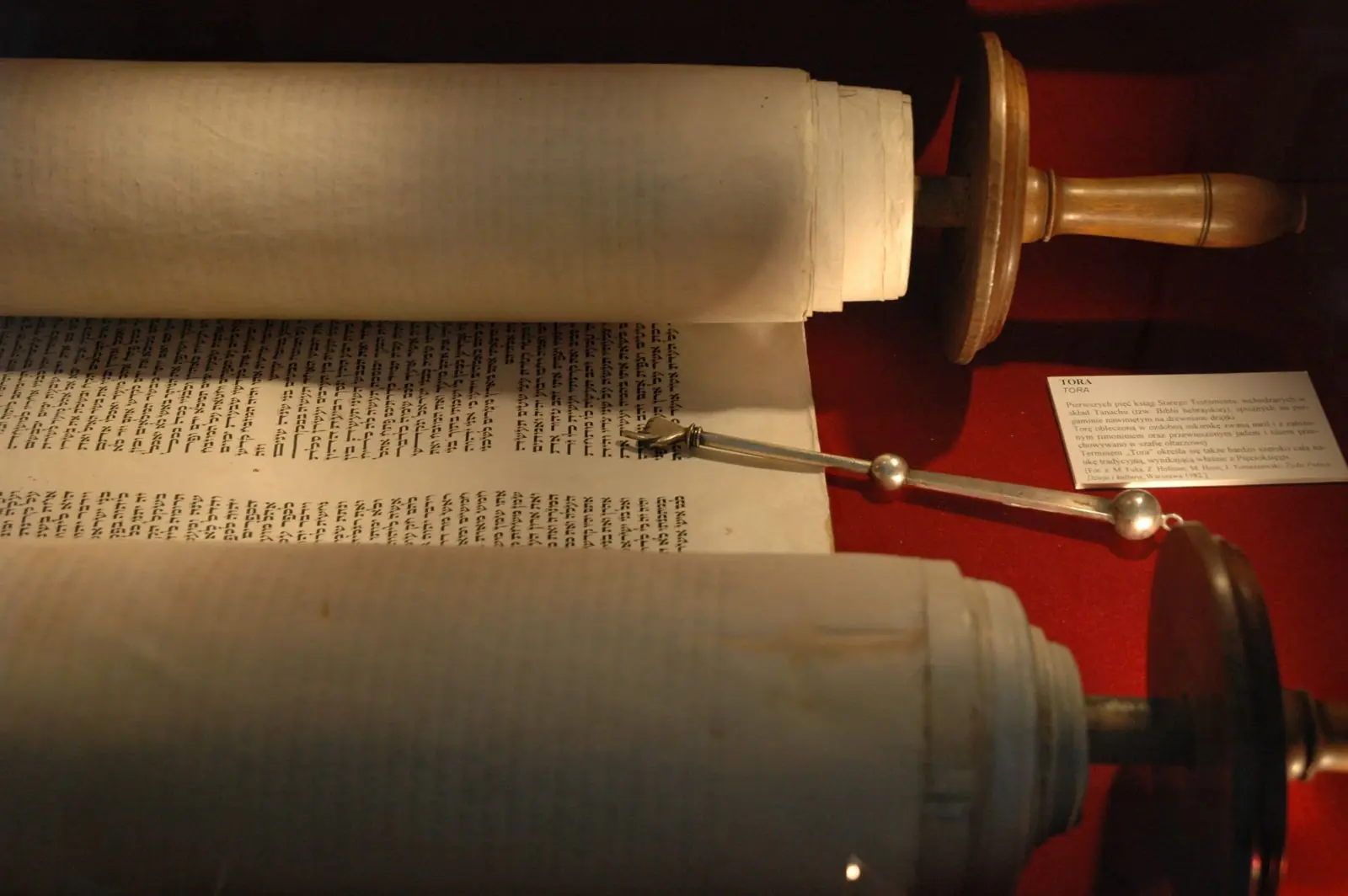
An open Torah scroll showing its Hebrew text, with a silver reading pointer (yad) resting on the column
  • 54 Torah portions
  • 5 books
  • 25 places to visit

The weekly Torah portions and their places

All 54 weekly portions, from Bereshit to V'Zot HaBerachah: what each name means, its verses, a short summary and the places where the story can be visited today.

Credit: Merlin · CC BY 2.5 · Wikimedia Commons

A parasha (plural parashot), or weekly Torah portion, is one of the 54 sections of the Torah read in the synagogue, one each Sabbath, so that the five books are read in a year. The cycle starts again every autumn on Simchat Torah with Bereshit. Some weeks two portions are read together, and the calendar in Israel can be a week ahead of the diaspora.

Each weekly portion has its own entry here: the meaning of its name, its verses, a summary and, when the story takes place somewhere you can visit today, the page of that place and a button to add it to your tour. Genesis is the book with the most places; its stories are also told in the biblical origins, from Creation to Babel, then in the footsteps of Abraham, Isaac and Jacob. Exodus, Numbers and Deuteronomy are found in the period of the Exodus and the conquest of Canaan.

📖 Verse numbering

References follow the Hebrew numbering. Some English Bibles, such as the King James Version, shift a few verses: the end of Vayetzei, Genesis 32:3 in Hebrew, is Genesis 32:2 in the KJV.

Book 1 · 12 portions

Genesis · Bereshit

Bereshit means “In the beginning”

From the Creation to the death of Joseph: the Origins, then Abraham, Isaac, Jacob and his sons. It is the book with the most places you can visit today.

Noach נח

“Noah” · Genesis 6:9–11:32

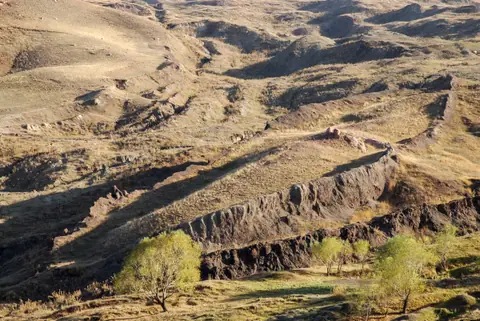
The Flood and the ark, which comes to rest on the mountains of Ararat, the covenant of the rainbow, the Tower of Babel, then Terah, who leaves Ur with Abram for Haran.

Places to visit

Read on IsraBible

Lech Lecha לך לך

“Go forth” · Genesis 12:1–17:27

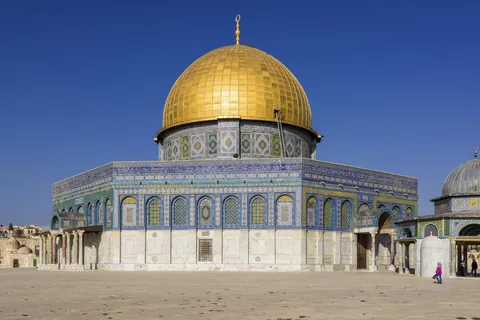
Abram sets out for Canaan: altars at Shechem and between Bethel and Ai, a journey to Egypt, the parting from Lot, the war of the kings, Melchizedek, then the covenant and the name Abraham.

Places to visit

+ 7 more places

Read on IsraBible

Add these 10 places to my tour →

Vayera וירא

“He appeared” · Genesis 18:1–22:24

The three visitors at Mamre, the destruction of Sodom and the flight of Lot, Abraham at Gerar, the birth of Isaac, the well of Beersheba, then the binding on Mount Moriah.

Places to visit

+ 6 more places

Read on IsraBible

Add these 6 places to my tour →

Chayei Sarah חיי שרה

“The life of Sarah” · Genesis 23:1–25:18

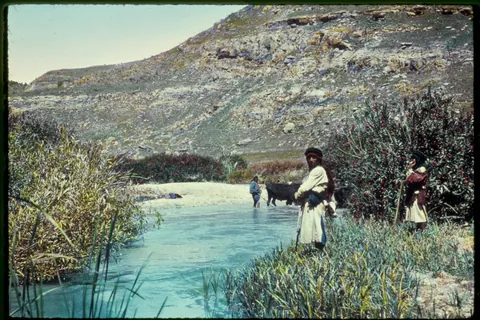
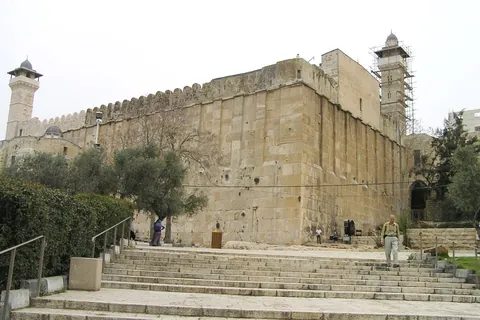
Death of Sarah and purchase of the Cave of Machpelah in Hebron, Abraham's servant finds Rebecca at the well, Isaac's marriage, then the death of Abraham, buried at Machpelah.

Places to visit

Read on IsraBible

Add these 2 places to my tour →

Toldot תולדות

“Generations” · Genesis 25:19–28:9

Birth of Esau and Jacob, the birthright sold, Isaac at Gerar and his wells as far as Beersheba, then the blessing obtained by Jacob, who has to flee.

Places to visit

Read on IsraBible

Add these 2 places to my tour →

Vayetzei ויצא

“He went out” · Genesis 28:10–32:3

Jacob leaves Beersheba, dreams of the ladder at Bethel, then works twenty years for Laban in Haran, marries Leah and Rachel, and heads back to Canaan.

Places to visit

Read on IsraBible

Add these 2 places to my tour →

Vayishlach וישלח

“He sent” · Genesis 32:4–36:43

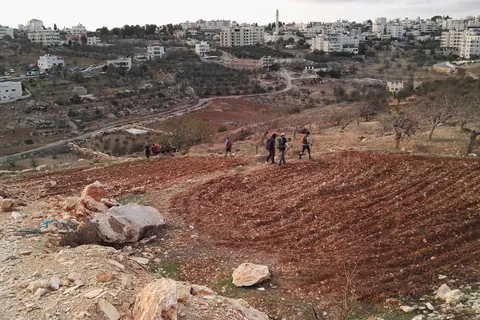
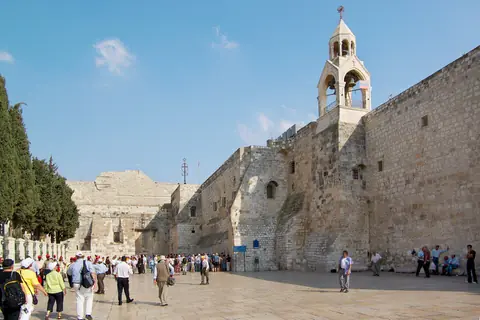
Jacob wrestles at Peniel and receives the name Israel, meets Esau again, Shechem and Dinah, the return to Bethel, the death of Rachel near Bethlehem and of Isaac at Hebron.

Places to visit

+ 1 more places

Read on IsraBible

Add these 4 places to my tour →

Vayechi ויחי

“He lived” · Genesis 47:28–50:26

Jacob blesses his sons and dies in Egypt; he is buried at Machpelah in Hebron. Joseph forgives his brothers and asks that his bones be carried up to Canaan.

Places to visit

Read on IsraBible

Add these 3 places to my tour →
Book 2 · 11 portions

Exodus · Shemot

Shemot means “Names”

Slavery in Egypt, Moses, the Exodus, the giving of the Torah at Sinai and the building of the Tabernacle, the sanctuary of the desert.

Va'era וארא

“And I appeared” · Exodus 6:2–9:35

God renews his promise to Moses; Moses and Aaron before Pharaoh, then the first seven plagues of Egypt, from the Nile turned to blood to the hail.

Read on IsraBible

Bo בא

“Come” · Exodus 10:1–13:16

The last three plagues, the Passover lamb and the first Passover, the death of the firstborn and the departure from Egypt.

Read on IsraBible

Beshalach בשלח

“When he let go” · Exodus 13:17–17:16

Moses takes the bones of Joseph, the crossing of the Sea of Reeds and the Song of Moses, the bitter waters of Marah, manna and quails, water from the rock and the battle with Amalek at Rephidim.

Places to visit

Read on IsraBible

Add this place to my tour →

Tetzaveh תצוה

“You shall command” · Exodus 27:20–30:10

The oil for the perpetual lamp, the high priest's garments, the consecration of Aaron and his sons, and the incense altar.

No place of its own: this portion is mostly laws and speeches.

Book 3 · 10 portions

Leviticus · Vayikra

Vayikra means “And He called”

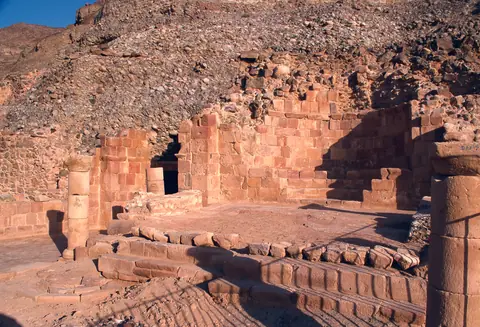
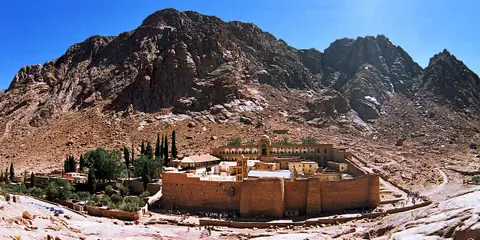
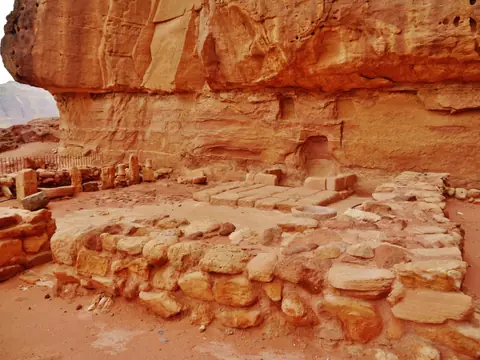
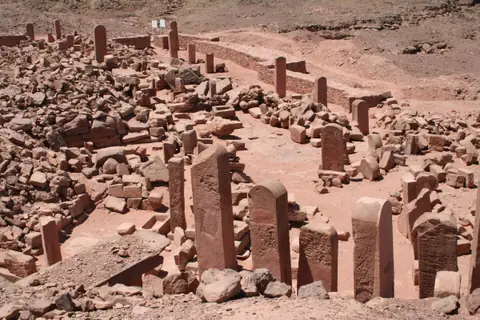
The laws of offerings, priests, purity and festivals. The whole book takes place at the foot of Sinai, around the Tent of Meeting, so it has no place of its own. To picture it, visit Mount Sinai, the Tabernacle reconstruction at Timna and Shiloh, where the Tent stood in Canaan.

Vayikra ויקרא

“And He called” · Leviticus 1:1–5:26

God calls Moses from the Tent of Meeting: the different offerings, burnt offering, grain offering, peace offering and sin offerings.

No place of its own: the places of the book, above, help to picture the story.

Tzav צו

“Command” · Leviticus 6:1–8:36

The rules of the offerings for the priests, the perpetual fire on the altar, then the seven days of consecration of Aaron and his sons.

No place of its own: the places of the book, above, help to picture the story.

Shemini שמיני

“Eighth” · Leviticus 9:1–11:47

On the eighth day the service begins in the Tabernacle; the death of Nadab and Abihu, then the laws of clean and unclean animals.

No place of its own: the places of the book, above, help to picture the story.

Tazria תזריע

“She conceives” · Leviticus 12:1–13:59

Purity after childbirth, then the laws of tzaraat, an affliction of the skin and of garments examined by the priest.

No place of its own: the places of the book, above, help to picture the story.

Metzora מצורע

“The afflicted one” · Leviticus 14:1–15:33

The purification of the person afflicted with tzaraat, tzaraat of houses, then the laws of bodily purity.

No place of its own: the places of the book, above, help to picture the story.

Acharei Mot אחרי מות

“After the death” · Leviticus 16:1–18:30

The high priest's service on Yom Kippur and the scapegoat, the ban on blood, then the forbidden unions.

No place of its own: the places of the book, above, help to picture the story.

Kedoshim קדושים

“Holy” · Leviticus 19:1–20:27

“You shall be holy”: honouring parents, the Sabbath, justice, honesty, and the commandment “Love your neighbour as yourself”.

No place of its own: the places of the book, above, help to picture the story.

Emor אמור

“Speak” · Leviticus 21:1–24:23

The rules of holiness for the priests, then the calendar of festivals: Sabbath, Passover, the Omer, Shavuot, Rosh Hashanah, Yom Kippur and Sukkot.

No place of its own: the places of the book, above, help to picture the story.

Bechukotai בחוקותי

“In my statutes” · Leviticus 26:3–27:34

The blessings promised if the people follow the laws, the warnings if they do not, then vows and tithes.

No place of its own: the places of the book, above, help to picture the story.
Book 4 · 10 portions

Numbers · Bamidbar

Bamidbar means “In the desert”

The censuses, then forty years on the move from Sinai to the plains of Moab: the spies, the revolts, the bronze serpent, Balaam and the list of the desert stations.

Bamidbar במדבר

“In the desert” · Numbers 1:1–4:20

In the Sinai desert, the census of the tribes, the layout of the camp around the Tabernacle and the role of the Levites.

No place of its own: the places of the book, above, help to picture the story.
Nasso נשא

“Take a count” · Numbers 4:21–7:89

The duties of the Levites, the Nazirite vow, the priestly blessing (“The Lord bless you and keep you”) and the offerings of the tribal leaders.

No place of its own: the places of the book, above, help to picture the story.
Beha'alotcha בהעלותך

“When you light” · Numbers 8:1–12:16

The menorah, the departure from Sinai following the cloud, the complaints of the people, the quails of Kibroth-hattaavah and Miriam struck at Hazeroth.

No place of its own: the places of the book, above, help to picture the story.
Shelach שלח לך

“Send for yourself” · Numbers 13:1–15:41

The twelve spies return from Canaan with a giant cluster of grapes; ten discourage the people, who are condemned to wander forty years. The portion ends with the tzitzit.

Read on IsraBible

Korach קרח

“Korah” · Numbers 16:1–18:32

Korah's revolt against Moses and Aaron, Aaron's staff that blossoms, then the rights and duties of the priests and Levites.

Read on IsraBible

Balak בלק

“Balak” · Numbers 22:2–25:9

Balak, king of Moab, summons the seer Balaam to curse Israel; his donkey speaks and Balaam blesses instead. The sin of Baal-peor follows.

Read on IsraBible

Pinchas פינחס

“Phinehas” · Numbers 25:10–30:1

The zeal of Phinehas, a new census, the daughters of Zelophehad, Moses told to view the land from the Abarim mountains, Joshua chosen to succeed him, and the festival offerings.

Places to visit

Book 5 · 11 portions

Deuteronomy · Devarim

Devarim means “Words”

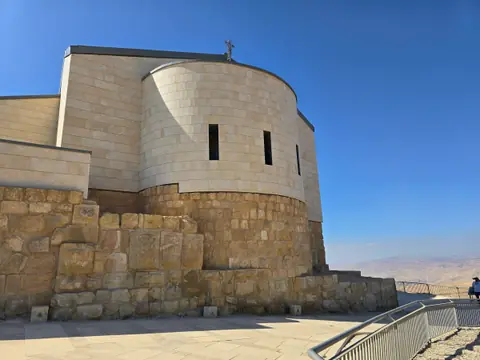
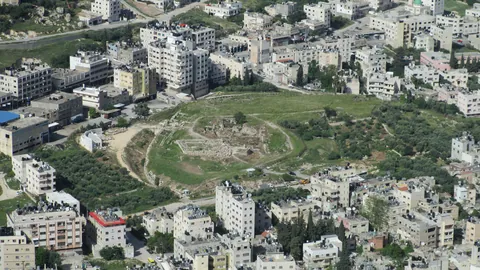
The last speeches of Moses on the plains of Moab, opposite Jericho: he recalls the journey, repeats the Law, then looks over the land from Mount Nebo, where he dies.

Devarim דברים

“Words” · Deuteronomy 1:1–3:22

Beyond the Jordan, Moses begins his speeches: he recalls the judges, the failure of the spies and the victories east of the Jordan.

No place of its own: the places of the book, above, help to picture the story.
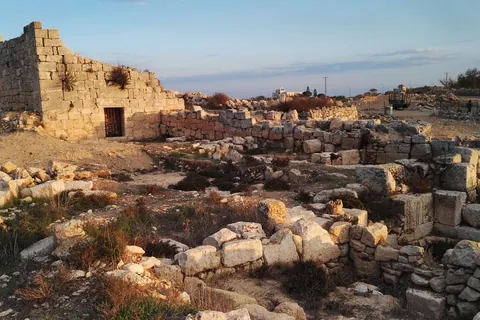
Eikev עקב

“Because” · Deuteronomy 7:12–11:25

The promised blessings, the land “of wheat and barley, vines, figs and pomegranates”, the memory of the golden calf and the blessing after meals.

No place of its own: the places of the book, above, help to picture the story.
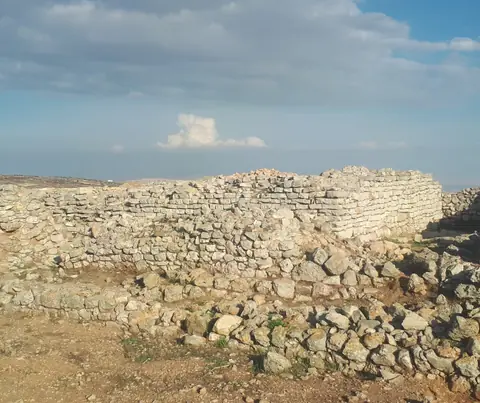
Shoftim שופטים

“Judges” · Deuteronomy 16:18–21:9

Judges, king, priests and prophets, the cities of refuge, the laws of war and the murder whose author is unknown.

No place of its own: the places of the book, above, help to picture the story.
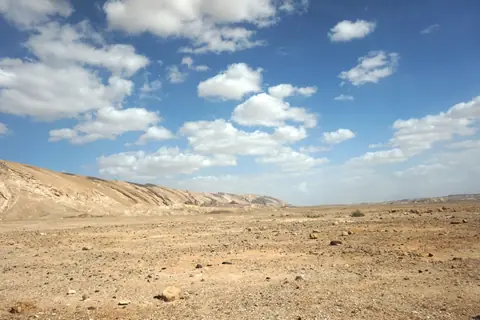
Ki Teitzei כי תצא

“When you go out” · Deuteronomy 21:10–25:19

More than seventy commandments of daily life: lost property, the bird's nest, wages paid the same day, honest weights and the memory of Amalek.

No place of its own: the places of the book, above, help to picture the story.
Nitzavim נצבים

“Standing” · Deuteronomy 29:9–30:20

The whole people stands before God for the covenant; the possibility of return, the Law “very near to you”, and the choice between life and death.

No place of its own: the places of the book, above, help to picture the story.
Vayeilech וילך

“He went” · Deuteronomy 31:1–30

At one hundred and twenty, Moses encourages Joshua, writes down the Law, orders it to be read before the people every seven years and hands the text to the Levites.

No place of its own: the places of the book, above, help to picture the story.
25 places to visit

The places of the Torah on the map

Every place linked to a weekly portion, from Ararat to Sinai and from Mount Nebo to Hebron.

Questions about the Torah portions and their places

Which parasha is read this week, and how do I find its places?

The cycle starts again every autumn on Simchat Torah with Bereshit, then follows the order of this page, one portion per Sabbath. Some weeks combine two, for example Vayakhel and Pekudei or Matot and Masei, and Israel can be a week ahead of the diaspora after a festival. Look up the name of the week in a Jewish calendar, then open its entry here to see its places.

Which Torah portions have the most places to visit in Israel?

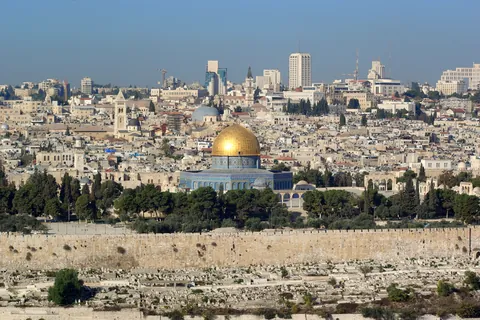
Those of Genesis. Lech Lecha points to 11 pages of the site, from Shechem and Bethel to the Negev and the Dead Sea, and Vayera to 10, from Mamre to Beersheba and Mount Moriah. Leviticus, by contrast, has no place of its own: it all happens at the foot of Sinai.

How many days do you need to see the places of Genesis?

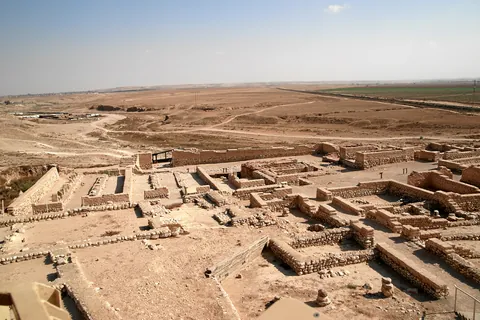
Two days cover the essentials of the Patriarchs: the first in the south, at the Tomb of the Patriarchs in Hebron, Mamre and Tel Beersheba; the second in Jerusalem, at the Temple Mount, then Bethel and Shechem. Add a Dead Sea day trip and the area of Sodom. “Plan my tour” spreads the stops day by day and estimates the driving times.

Can you visit Hebron, Bethel or Shechem freely?

All three are in Judea and Samaria: access is often supervised and conditions change over time. Check them before you go and prefer a guide or organised transport. Mount Nebo is in Jordan, Sinai in Egypt and Ararat in Turkey: visiting them means crossing a border.

Are the places linked to the portions identified with certainty?

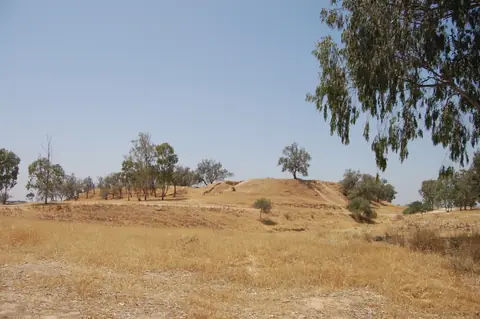
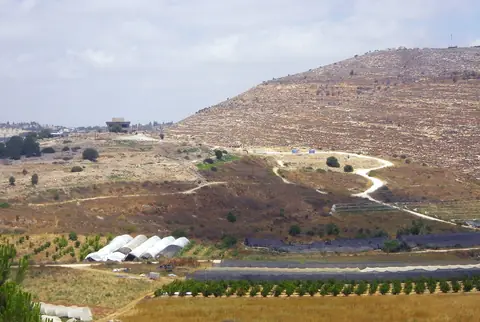
Not all of them. Some rest on an ancient tradition, such as Mount Sinai at Jebel Musa or Mount Moriah at the Temple Mount; others on excavations, such as Tel Balata for Shechem. Each place page separates what the text says, what tradition reports and what archaeology shows.

Why don't the verse numbers in my Bible always match?

IsraBible follows the Hebrew numbering used in the scrolls read in the synagogue. Several English Bibles, including the King James Version, shift a few passages by one or two verses: Vayetzei ends at Genesis 32:3 in Hebrew, which is 32:2 in the KJV. The text is the same; only the numbering differs.

Free PDF guide

The 25 must-see biblical sites in Israel

Our selection in one PDF: what the Bible says, what you will see on site and tips to prepare each visit.

Your details are only used to send you the guide and invite you to our WhatsApp group. Privacy policy