
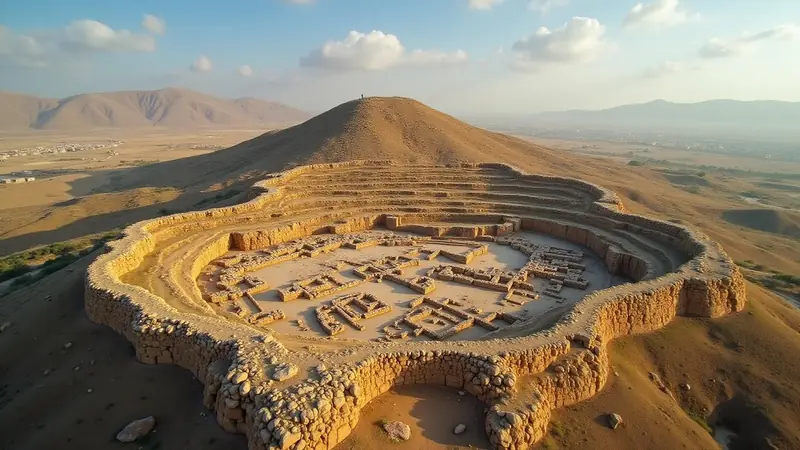
Shechem (Tel Balata) – Abraham's First Altar in Canaan
Between Mount Ebal and Mount Gerizim, the place of God's first promise and Abraham's first altar in the Promised Land (Genesis 12:6-7).
Biblical period: The Patriarchs
After Shechem, Abraham builds an altar "between Bethel and Ai" and calls on the name of the LORD, then returns there after his stay in Egypt (Genesis 12:8; 13:1-4).
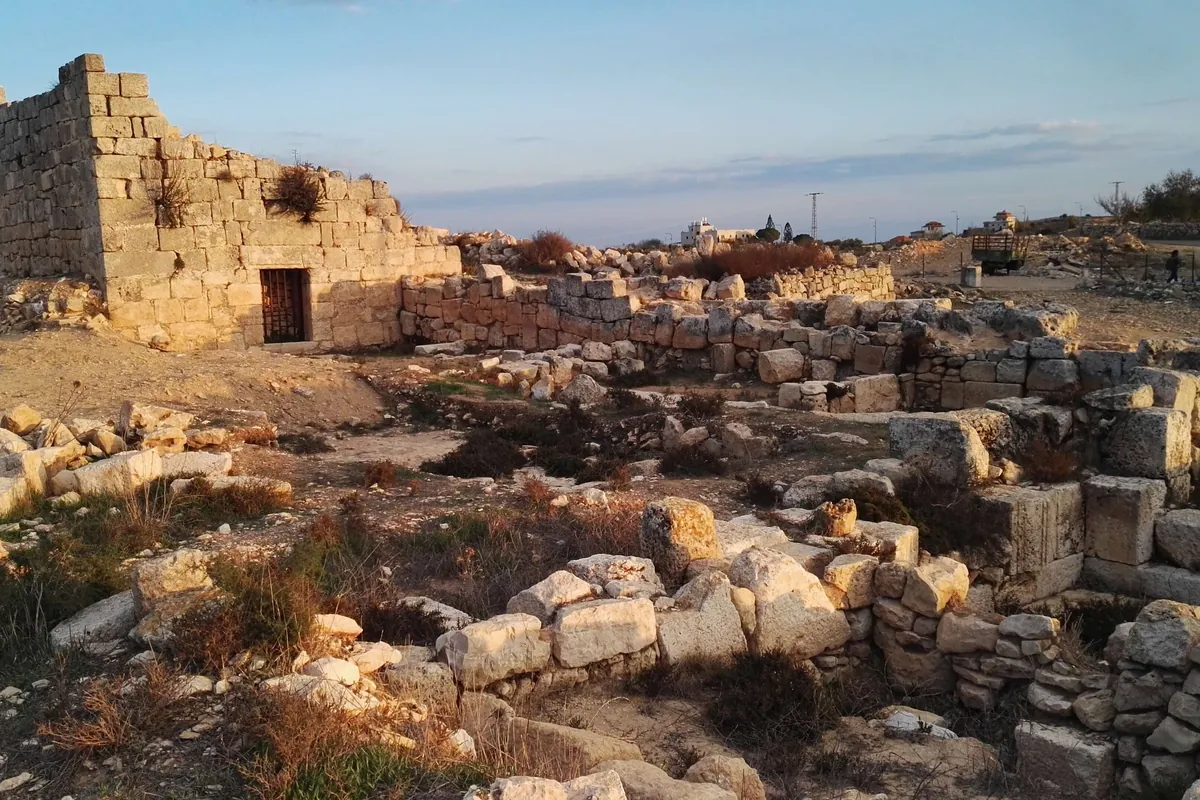
After Shechem, Abraham builds an altar on the mountain "between Bethel and Ai" and calls on the name of the LORD (Genesis 12:8). This highland ridge north of Jerusalem — biblical Bethel (Hebrew Beit El, "house of God") is generally identified with the village of Beitin — becomes a spiritual landmark on his journey: an act of worship, a symbolic claim on the Promised Land, and later a return to the same altar of Abraham after the episode in Egypt (Genesis 13:1-4).
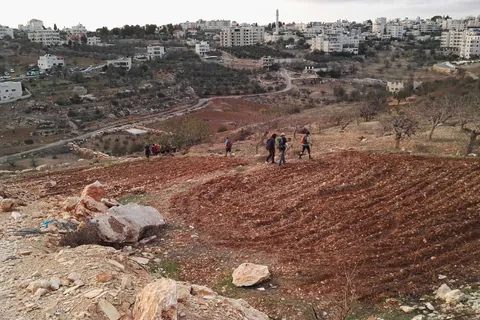
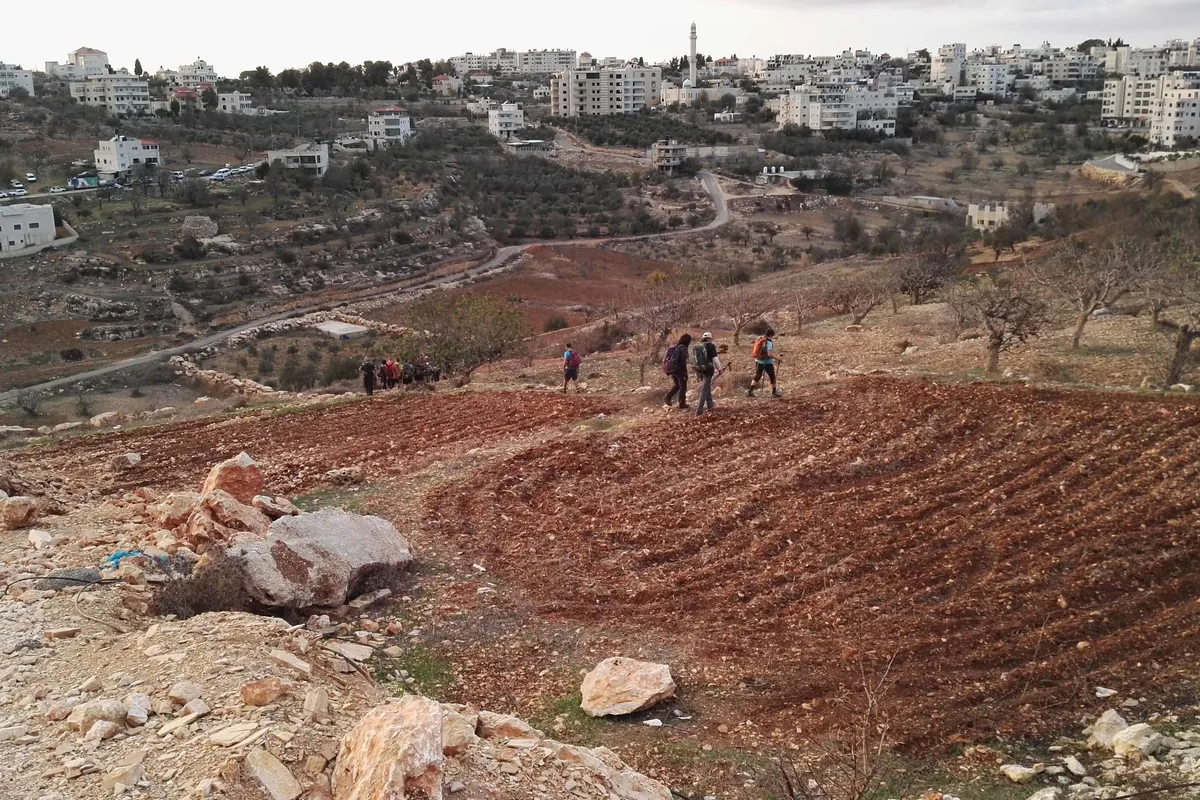
Bethel would go on to be the place of Jacob's dream, a major sanctuary of the kingdom of Israel and a favourite target of the prophets. On the ground, the identification of the sites is still debated: what you read here is above all a landscape, its routes and its ancient settlements.
In brief
History & Bible
Bible story
"And he removed from thence unto the mountain on the east of Beth-el, and pitched his tent, having Beth-el on the west, and Ai on the east; and he builded there an altar unto the LORD, and called upon the name of the LORD."
Genesis 12:8 (JPS 1917)
"Between Bethel and Ai", Abraham builds an altar and calls on the name of the LORD. On his return from Egypt, he travels back "on his journeys" to the very same altar (Genesis 13:3-4), a sign of returning to his spiritual roots. This highland corridor becomes a milestone of faith, continuing what began at Shechem, Abraham's first altar in Canaan.
Bible story
"And Abram went up out of Egypt, he, and his wife, and all that he had, and Lot with him, into the South. […] And he went on his journeys from the South even to Beth-el, unto the place where his tent had been at the beginning, between Beth-el and Ai; unto the place of the altar, which he had made there at the first; and Abram called there on the name of the LORD."
Genesis 13:1-4 (JPS 1917)
It is from these heights that Abraham and Lot part ways: their flocks are too large to graze together, and Abraham lets his nephew choose. Lot heads for the plain of the Jordan and Sodom; God then renews to Abraham the promise of all the land he can see — north, south, east and west (Genesis 13:14-15). Abraham then settles near Hebron, by the oaks of Mamre.
Tradition and identification
History
 Beitin, near RamallahBethel: Jacob's Dream Between Heaven and EarthAt Bethel, Jacob has one of the Bible's greatest spiritual experiences: a dream in which a ladder joins earth to heaven.View site →
 Bible story
Archaeology
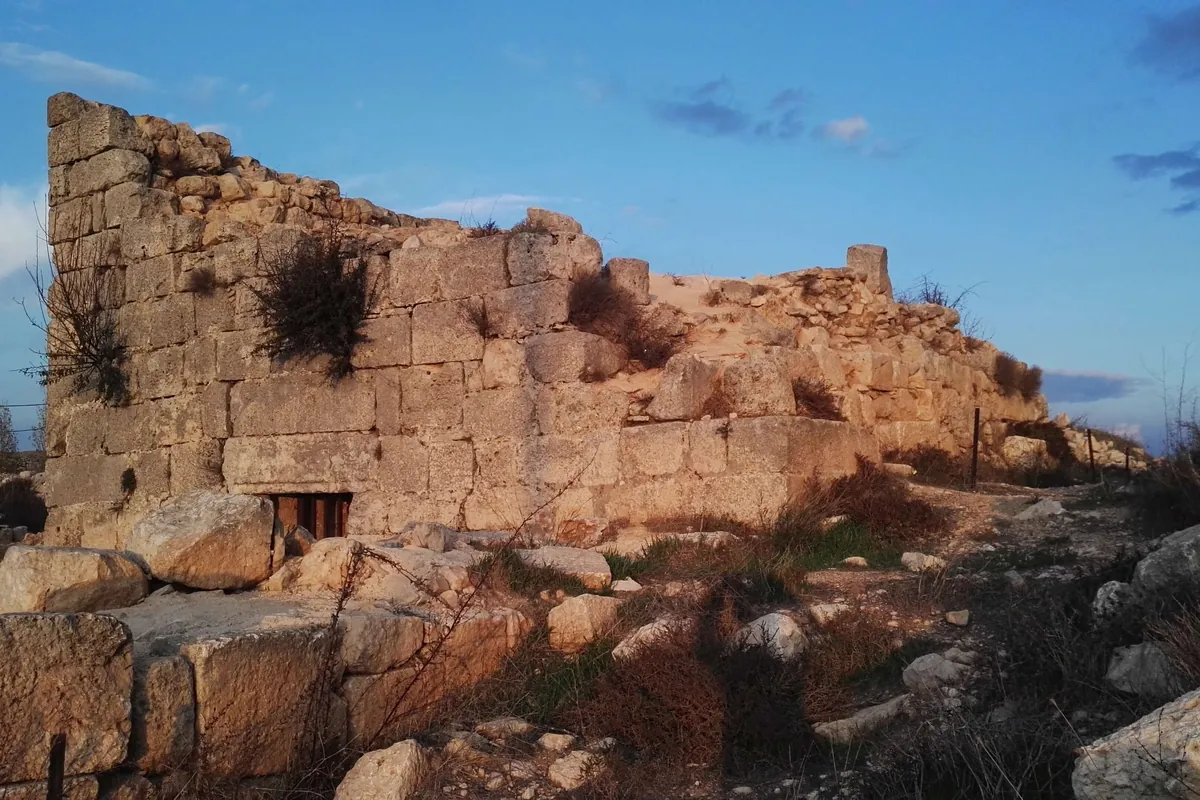
🔎 Historical note
These are working identifications based on topography and chronology; no decisive inscription is known. The locations are probable but remain debated among archaeologists, and no remains can be linked to Abraham's altar.
Plan my visit
Bethel
Beitin, north-east of Ramallah and El-Bireh (≈ 17 km north of Jerusalem)
GPS coordinates : 31.9296, 35.2385 (reference point, not the exact entrance)
Start navigation with:
Around the site
Same stop in your tour: the page below tells the same site from another angle.
Beitin, near RamallahBethel: Jacob's Dream Between Heaven and EarthAt Bethel, Jacob has one of the Bible's greatest spiritual experiences: a dream in which a ladder joins earth to heaven.View site → Between Mount Ebal and Mount Gerizim, the place of God's first promise and Abraham's first altar in the Promised Land (Genesis 12:6-7).
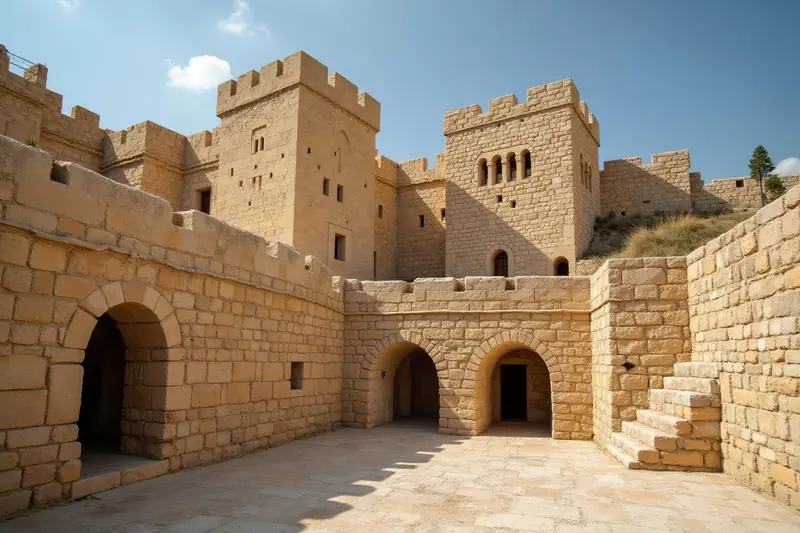
A sacred site venerated by the three monotheistic religions, the traditional burial place of Abraham, Isaac and Jacob.
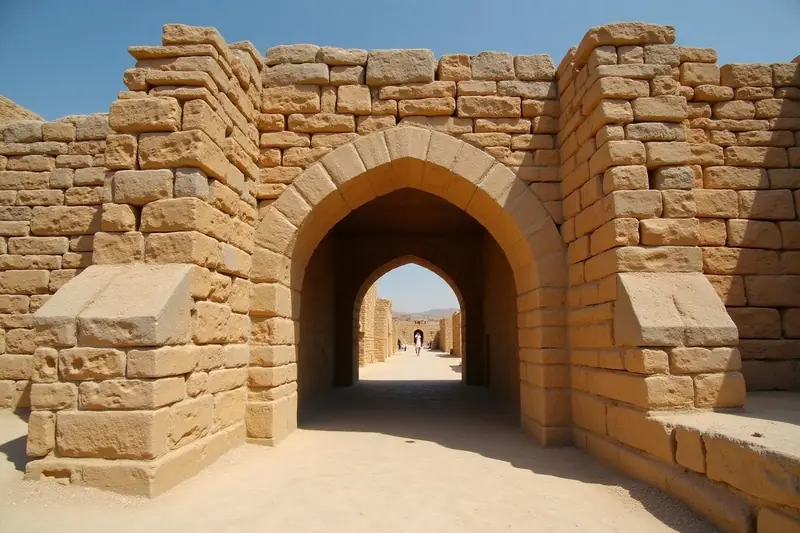
From Genesis 14 to the "House of David" stele: archaeology, nature and biblical history at the springs of the Jordan.
Most scholars place Bethel at Beitin, because of the preserved name, the topography and the distances given by ancient sources; others have proposed El-Bireh. There is no decisive inscription: the identification is probable but debated.
No. The ancient site generally identified as Bethel lies in the Palestinian village of Beitin. The Israeli settlement of Beit El, founded in 1977, is about 2 km to the north-west: it bears the biblical name but is not the ancient tell.
The text places Ai east of Bethel (Genesis 12:8). The site of et-Tell, about 3 km east-south-east of Beitin, is the classic identification, but it is debated; Khirbet el-Maqatir has been proposed as an alternative. The landscape nevertheless makes the Bethel–Ai pairing easy to read.
"On the mountain on the east of Beth-el", with Bethel to the west and Ai to the east. It is therefore sought on the ridge east of Beitin — Burj Beitin is often suggested — but no remains allow it to be pinpointed.
Occupation remains (Bronze and Iron Age) in the area, the Byzantine and Crusader remains at Burj Beitin, and above all a landscape: the terrain, routes and settlements that shed light on the story. No "named" object can be linked to Abraham's altar.
Bethel (Beit El) means "house of God". According to Genesis 28:19, it was Jacob who gave the place this name; it was formerly called Luz.
Shechem marks the first promise and the first altar (Genesis 12:6-7). Bethel continues that story (Genesis 12:8; 13:3-4). The two sites, some 30 km apart, combine well in a single visit.
Because Jeroboam had set up a golden calf and a royal sanctuary there to rival Jerusalem (1 Kings 12:28-29). Amos announces the ruin of its altars (Amos 3:14), Hosea calls it Beth-aven, "house of nothingness" (Hosea 4:15), and King Josiah eventually tears down its altar (2 Kings 23:15).