
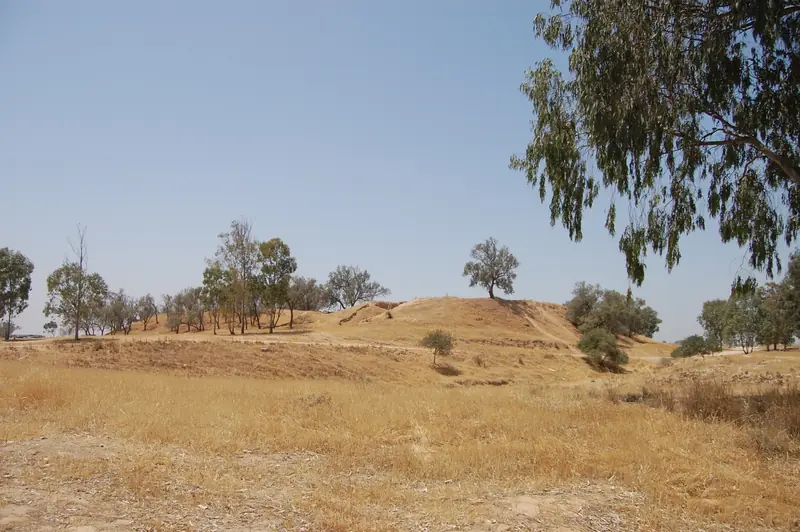
Gerar and Tel Haror: Abraham, Isaac and wells
Beside Nahal Grar, Tel Haror offers a landscape in which to read the stories of Abraham and Isaac in the western Negev.
Biblical period: The Patriarchs
From the Beersheba area to the southern desert landscapes, a region for reading the journeys of the patriarchs.
Adding this to your tour selects the Beersheba stop at Tel Beersheba. If it is already in your tour, it is not added a second time.
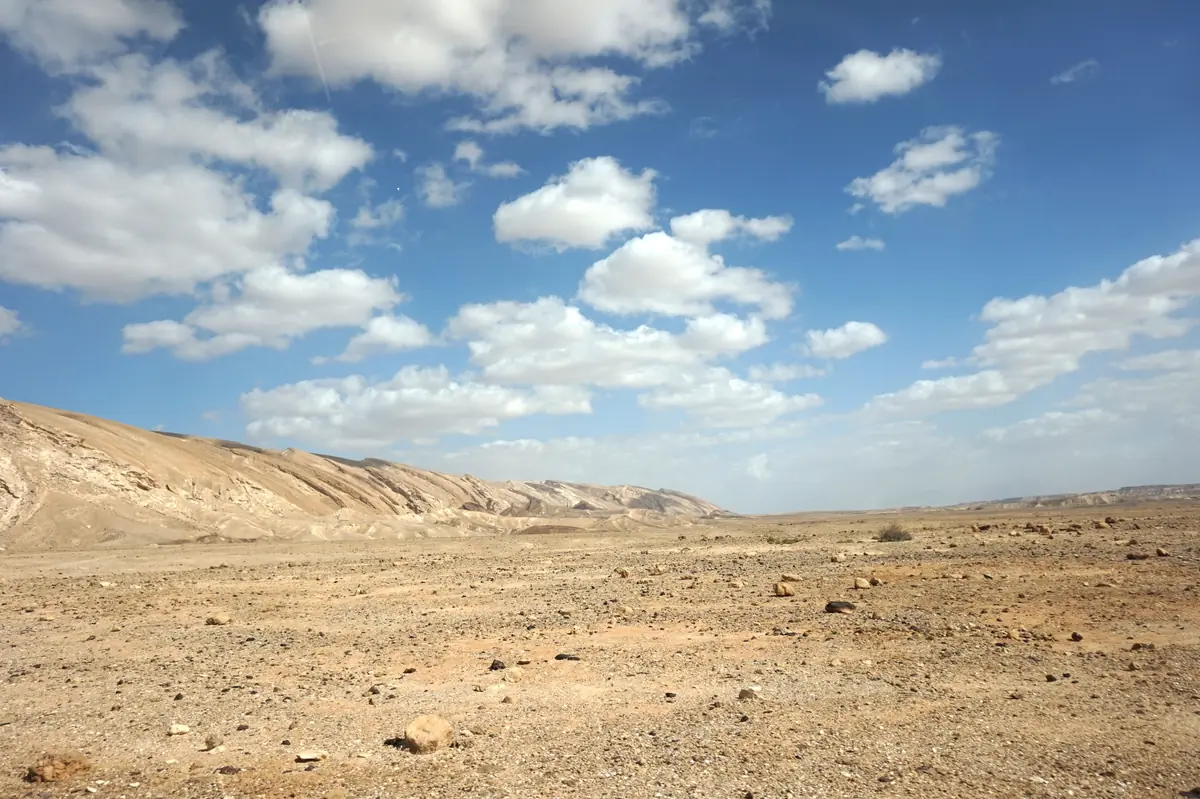
The Negev appears repeatedly in Abraham’s journeys. The wilderness of Beersheba provides the setting for Hagar and Ishmael in Genesis 21. These are regions: their biblical boundaries need not match every modern use of the geographical names.
Visitors can explore landscapes and archaeological sites while distinguishing a broad setting from a precise location in the narrative.
In brief
Parashat Lech Lecha (Genesis 12–17) Parashat Vayera (Genesis 18–22)
Plan my visit
| Duration | A day for a few nearby stops; longer for a wider exploration of the Negev. |
|---|---|
| Planning | Allow for driving separately from time at visitor sites. |
| Walking | Use authorised paths; check water requirements, heat and flash-flood risk before setting out. |
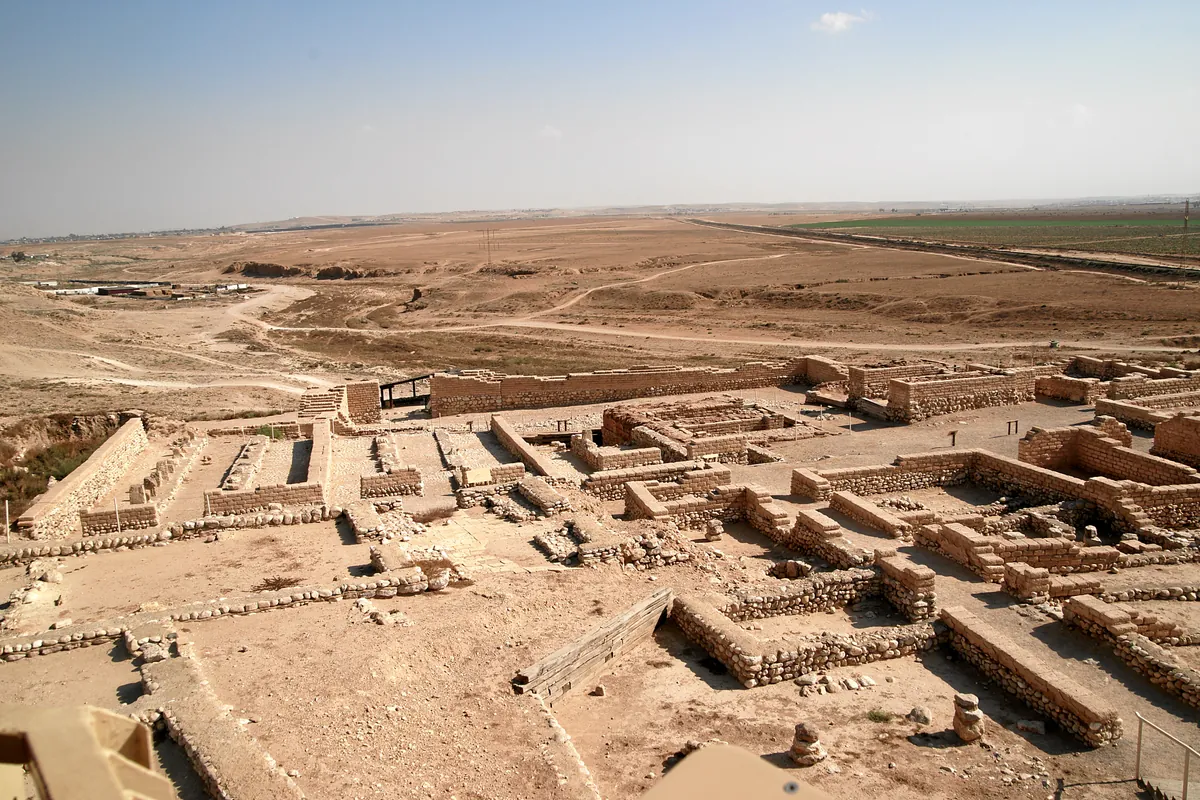
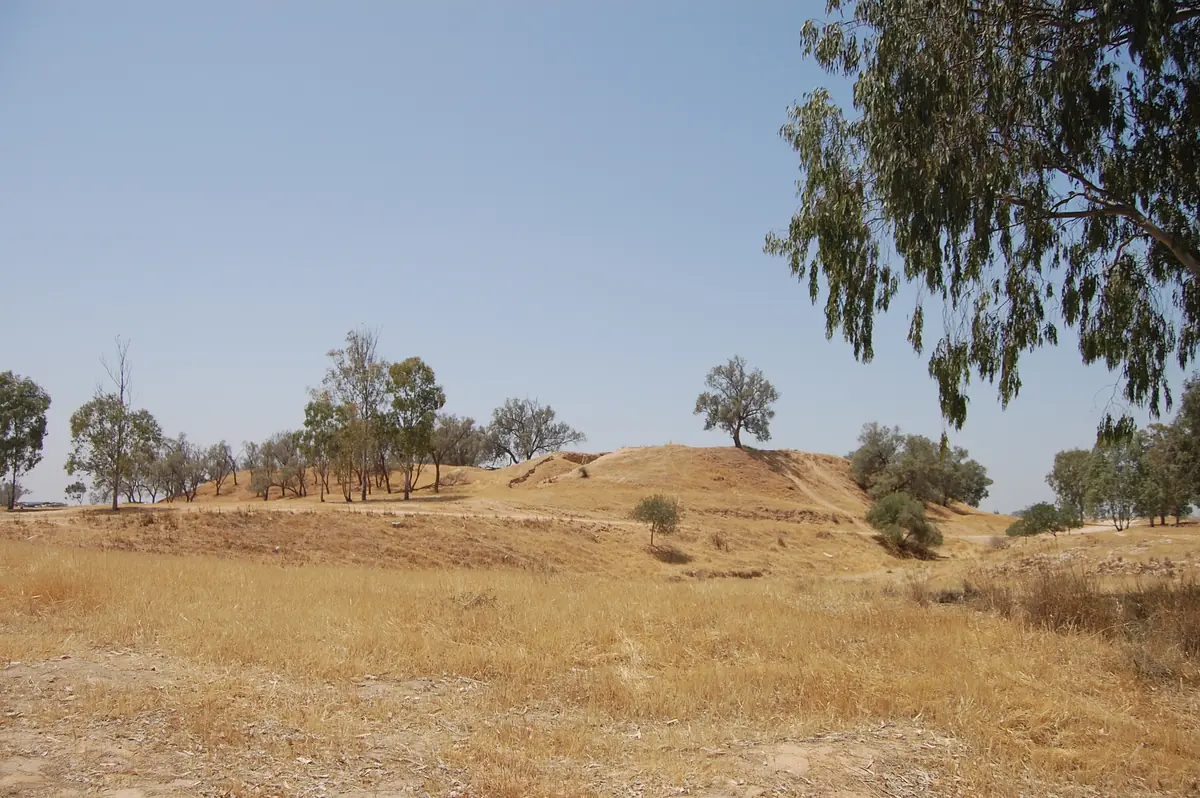
Tel Beersheba is a managed archaeological site; its visible remains are not an excavated camp of Abraham. Gerar and Tel Haror provide another approach to Isaac’s stories and the western Negev landscape. Select one or two stops for your biblical tour of the Negev, with travel distances in mind. Before a desert walk, check weather, opening and permitted routes with the managing authority.
Nearby
This page covers a region. Choose a specific site on the map to add to your itinerary.
History & Bible
Bible story
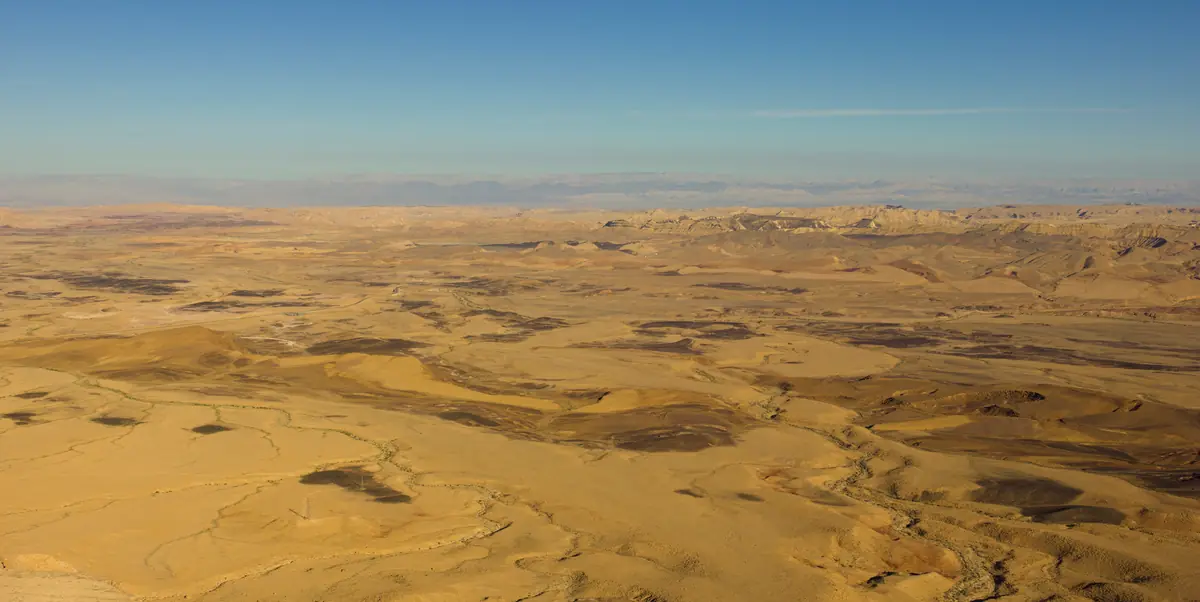
After staying between Bethel and Ai, Abram continues towards the Negev (Genesis 12:9). A famine takes him to Egypt; on returning, he crosses the Negev again (13:1-3). The text describes movement but does not establish an exact modern road itinerary. The Bethel guide introduces the earlier northern stop.
Bible story
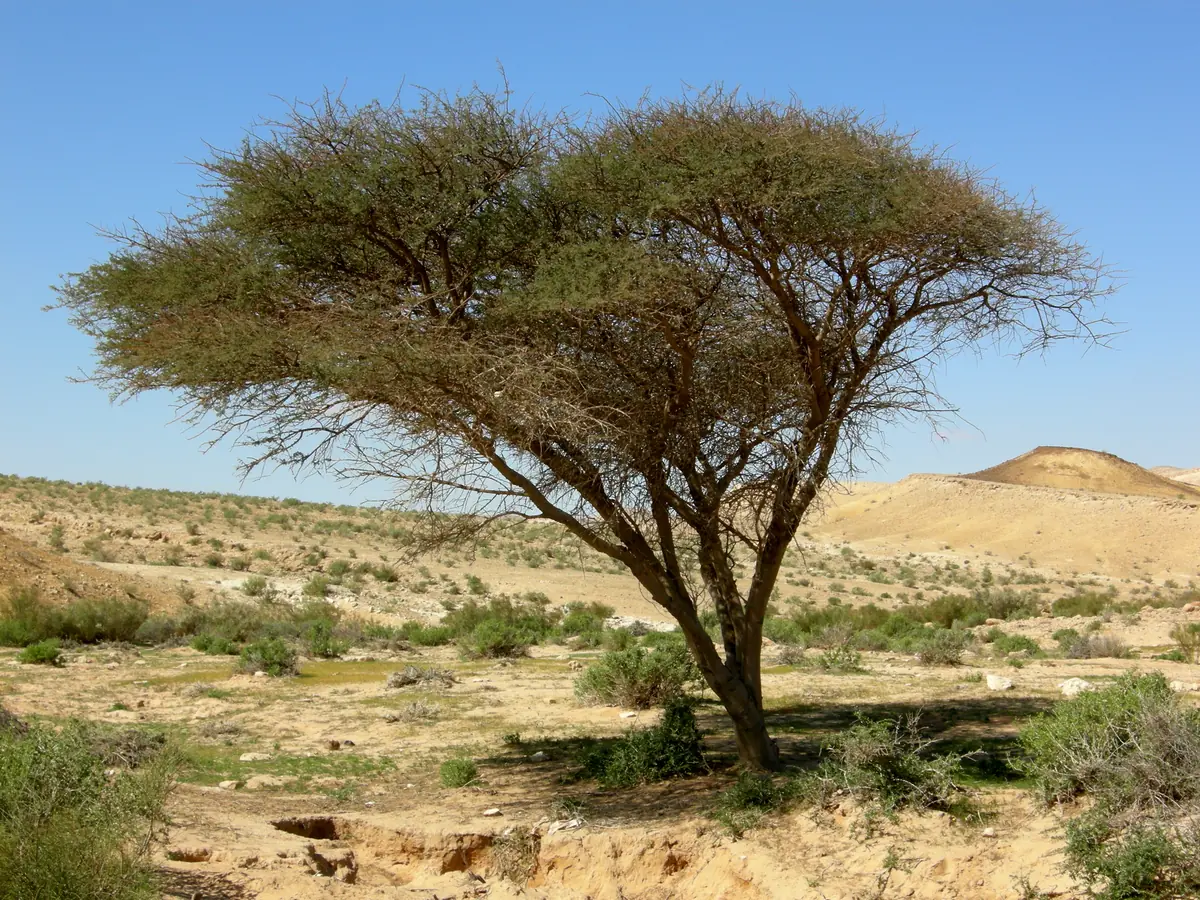
Genesis 21:14 places Hagar’s wandering in the wilderness of Beersheba. When her water runs out, the narrative describes her seeing a well after divine intervention. No present-day water source can be securely identified as that well. The wilderness of Paran, mentioned later for Ishmael, is a separate geographical reference in the account.
These sites share a story but are not necessarily close to each other: distances are given in a straight line.
Beside Nahal Grar, Tel Haror offers a landscape in which to read the stories of Abraham and Isaac in the western Negev.
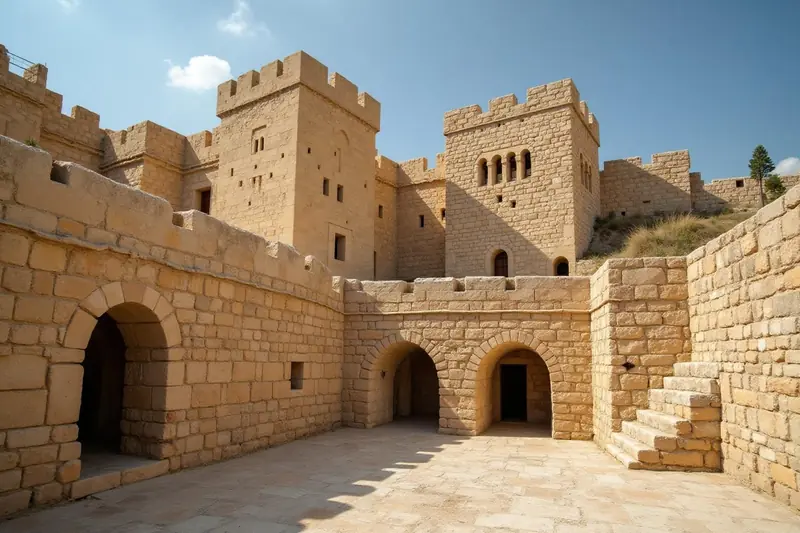
A sacred site venerated by the three monotheistic religions, the traditional burial place of Abraham, Isaac and Jacob.
No. It is a broad region with towns, archaeological sites and desert landscapes.
Its precise location is not established. No water source is presented here as a certain identification.
The names overlap, but their boundaries may differ between texts and historical periods.
Tel Beersheba is a useful starting point, followed by another stop chosen for your interests and current access.
A region has no single entrance. Each site or walking route needs its own verified starting point.
Genesis 12:9 and 13:1-3 describe Abraham’s journeys towards the Negev and on his return from Egypt. Genesis 21:14 places Hagar and Ishmael’s wandering in the wilderness of Beersheba.
One day allows a few nearby stops; exploring a large part of the region takes longer. Calculate travel times separately from time spent at each site.
Check the permitted route, closures, weather, water needs, heat and flash-flood risk. Confirm conditions for each route with its managing authority.