Mount Moriah: Abraham's Test, from the Biblical Story to the Temple Mount
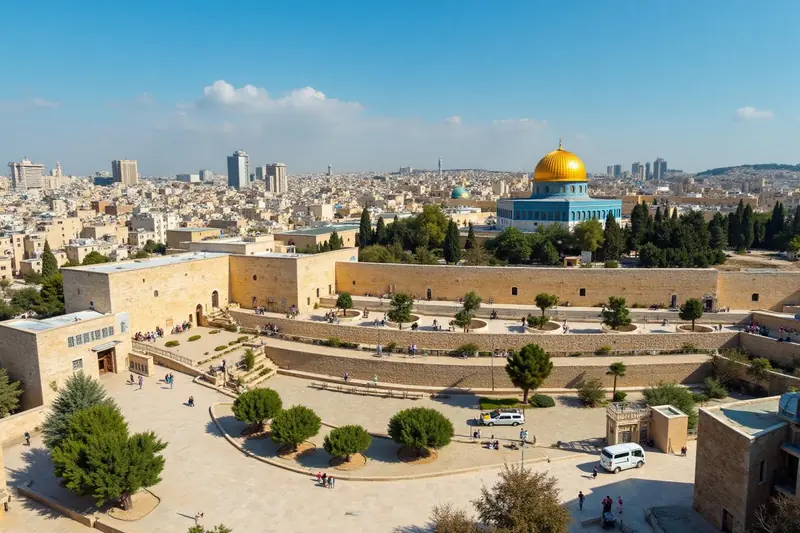
Where tradition places Abraham's test now stands the Temple Mount, one of the holiest sites in Judaism and Islam.
Biblical period: The Patriarchs
North of Hebron, Ramat el-Khalil preserves a place of memory associated with Abraham and the hospitality of Genesis 18.
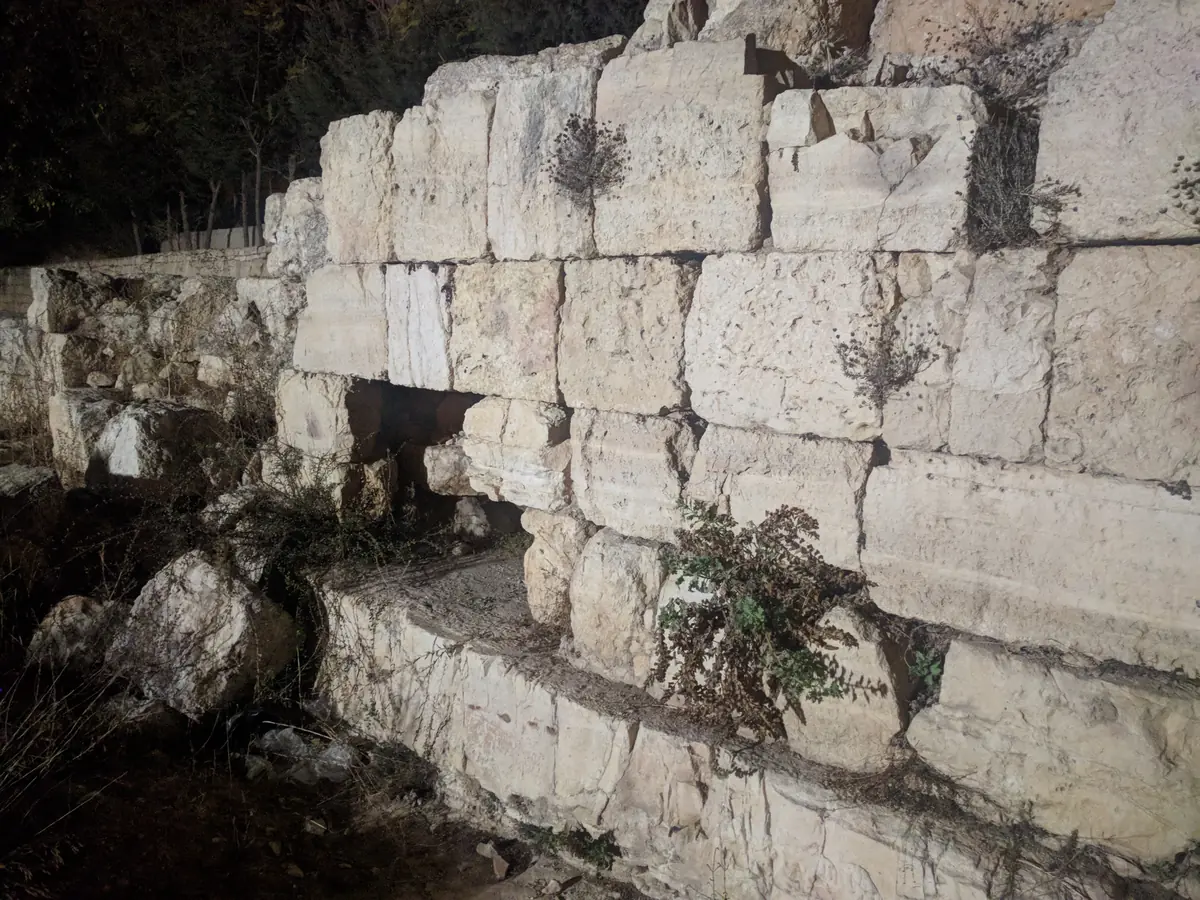
Mamre is where Abraham pitches his tents near Hebron and receives visitors announcing Isaac’s birth. Ramat el-Khalil, also known as Haram er-Rameh, preserves an old tradition connected with this narrative.
The visible remains document the history of a place of memory. They do not identify Abraham’s tent or the trees in the story. Visiting depends on locally confirmed access.
In brief
Parashat Lech Lecha (Genesis 12–17) Parashat Vayera (Genesis 18–22)
History & Bible
Bible story
Abraham welcomes three men near the trees of Mamre, offering water and a meal. Sarah hears the promise of a son. The chapter centres on hospitality and the divine promise. Its narrative then turns towards the city of Sodom, for which Abraham intercedes.
Archaeology
The monumental enclosure and church remains are much later than the traditional setting of Abraham’s life. They illuminate the site’s veneration in the Roman and Byzantine periods. Several locations have been proposed for biblical Mamre; the Ramat el-Khalil tradition does not settle the question by itself.
Tradition and identification
Ramat el-Khalil, the Tomb of the Patriarchs at Machpelah and the oak associated with the Russian monastery are separate places. Similar names in narrative and tradition do not make them one physical site. Mount Moriah in Jerusalem belongs to another episode in Abraham’s story and another location.
Plan my visit
Mamre
Ramat el-Khalil / Haram er-Rameh, north of Hebron
Coordinates locate the traditional site, not a guaranteed public entrance. Confirm access and your approach before navigating.
GPS coordinates : 31.5565, 35.1053 (reference point, not the exact entrance)
Start navigation with:
Do not travel on the strength of a map marker alone. Check visiting arrangements, any permissions relevant to your circumstances and suitable accompaniment with a competent local contact. Without confirmed access, treat this as a documentary stop rather than a planned visit. When entry is permitted, respect the remains and local practices.
What's next
Straight-line distances: the drive is longer.
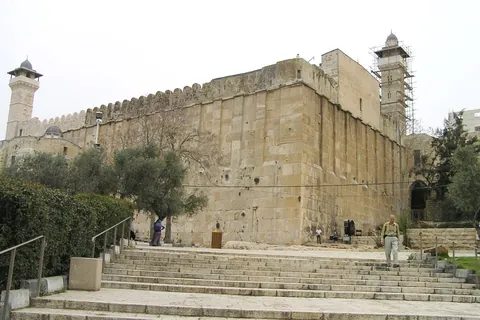
A sacred site venerated by the three monotheistic religions, the traditional burial place of Abraham, Isaac and Jacob.
Herod's palace-fortress
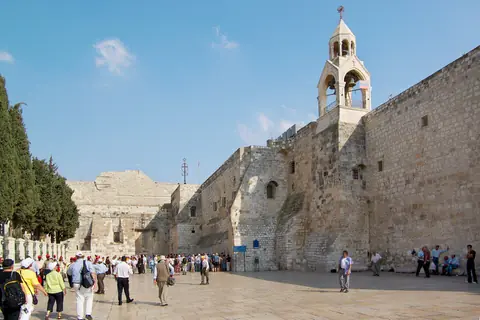
The town of Ruth and David, where the Gospels place the birth of Jesus: a cave venerated since the 2nd century, beneath one of the oldest churches in the world still in use.
A city of Judah and its caves
These sites share a story but are not necessarily close to each other: distances are given in a straight line.
Where tradition places Abraham's test now stands the Temple Mount, one of the holiest sites in Judaism and Islam.
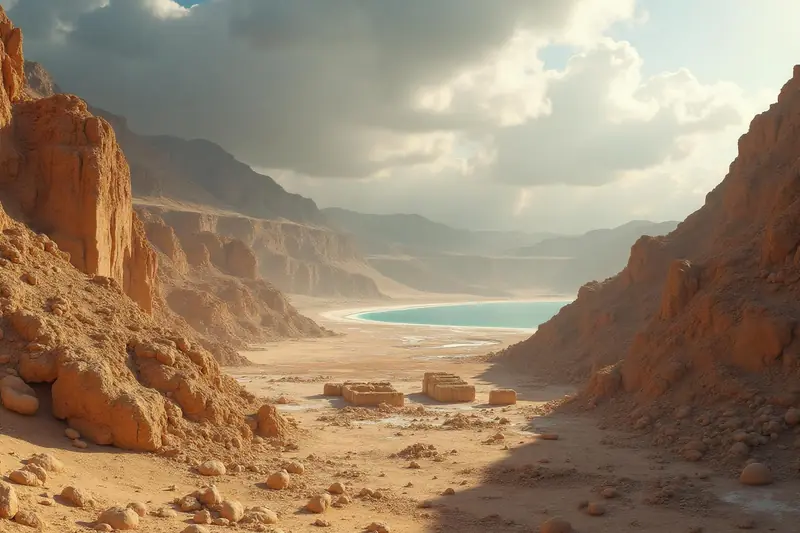
From the Genesis narrative to the excavations at Bab edh-Dhra and Tall el-Hammam: what we know — and what we do not — about the cities destroyed near the Dead Sea.
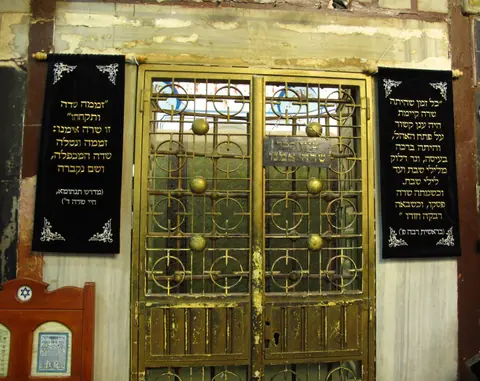 PatriarchsWho Was Sarah, Abraham's Wife?Abraham's wife, Isaac's mother, buried in Hebron: what the Bible says about Sarah, and the unexpected portrait of her in a Dead Sea Scroll.Read the article →
No. Although connected in the narratives, Ramat el-Khalil and Machpelah are separate sites.
No present-day tree can be scientifically identified as one of the trees in the account.
No. The monumental remains document much later periods.
Do not assume so. Access must be confirmed and, where required, arranged in advance.
The religious memory is old, while the exact identification with the narrative’s location remains debated.