Bible story
The Crane in the Bible: Jeremiah 8:7 and Migrating Birds
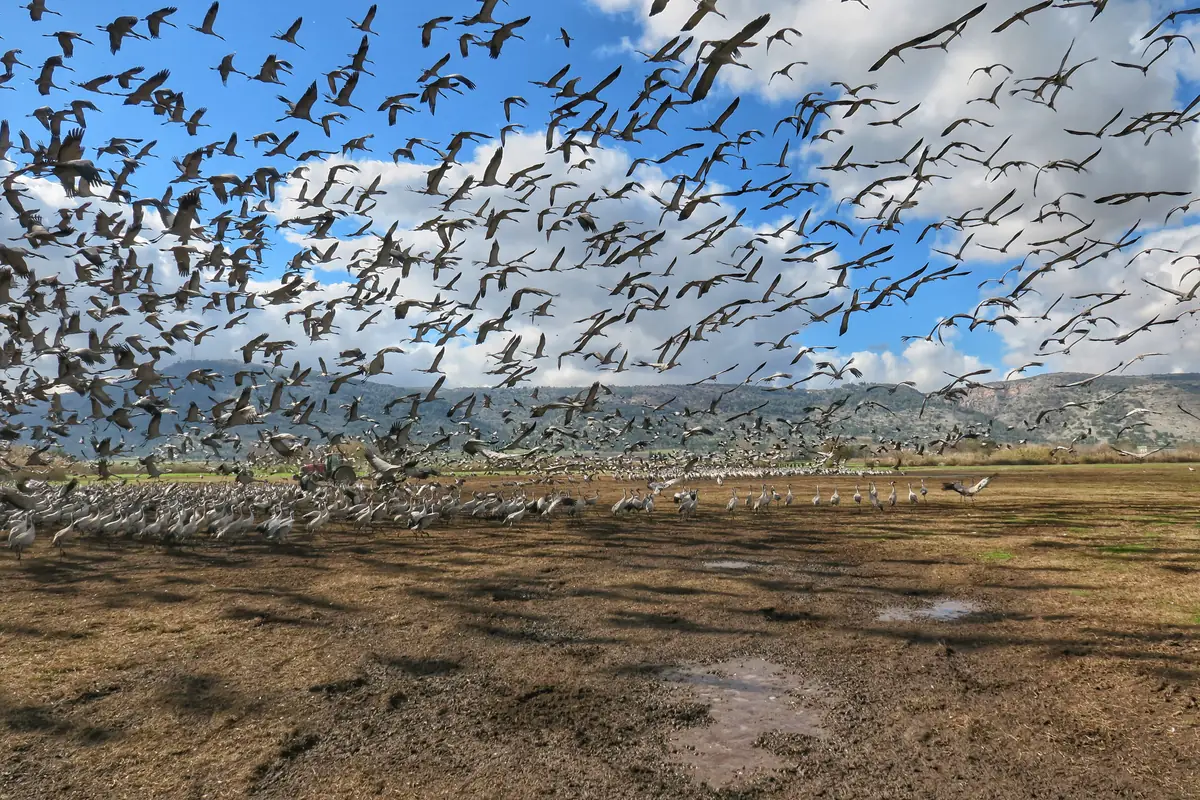
The most direct link between the Hula and the Bible runs through its birds. To rebuke the people for forgetting God's law, the prophet Jeremiah points to migration: the birds, at least, know when to leave and when to return.
"Yea, the stork in the heaven knoweth her appointed times; and the turtle and the swallow and the crane observe the time of their coming; but My people know not the ordinance of the LORD."
Jeremiah 8:7 (JPS 1917)
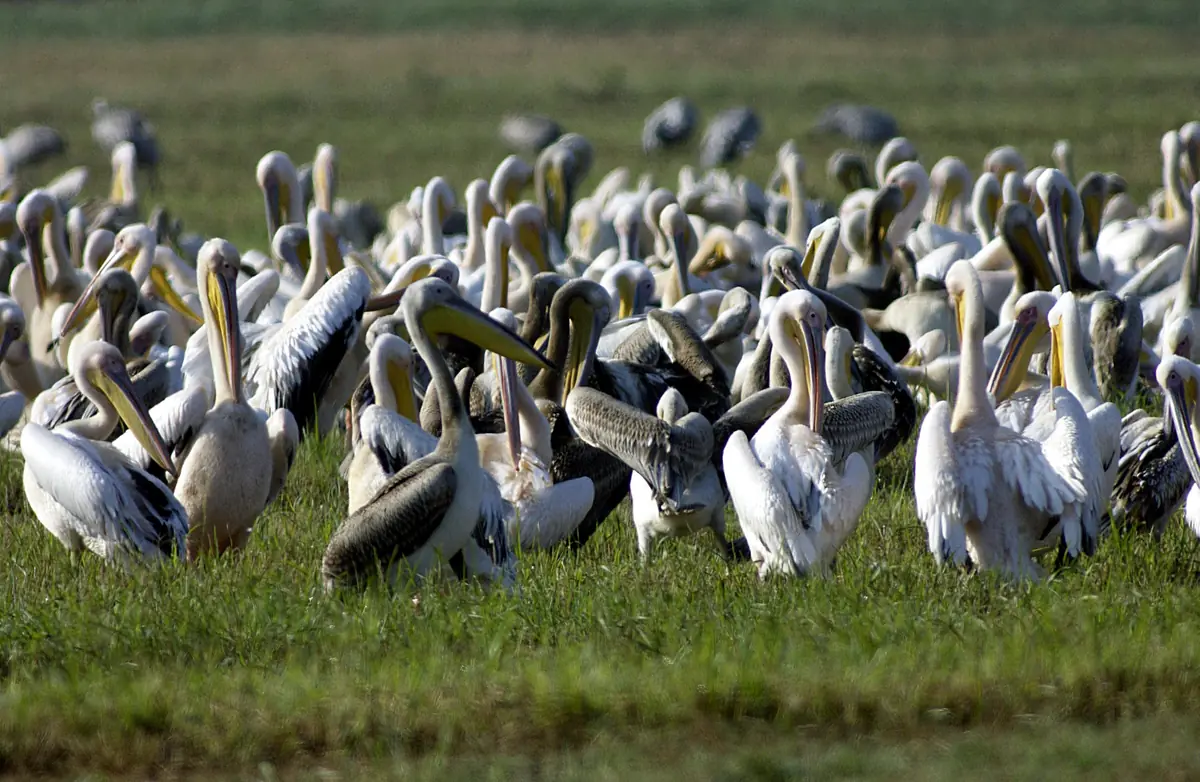
The Hebrew word rendered "crane" here is agur (עגור), the name of the crane in modern Hebrew. Identifying biblical birds is not always certain: the King James Version swaps the swallow and the crane, and some English versions speak of swallows or thrushes. The stork (hasidah) is not in doubt. All four birds of the verse still cross Israel every year, and the crane and the stork are among the large migrants seen in the Hula.
Two more passages on passing birds
The Book of Job asks: "Doth the hawk fly by thy wisdom, and stretch her wings toward the south?" (Job 39:26). King Hezekiah, in his illness, compares himself to chattering birds with the same two words as Jeremiah, sus and agur: "like a swallow or a crane" (Isaiah 38:14). Some translations read a single bird there.
Bible story
The Hula in the Biblical Stories: Merom, Laish and Hazor
The "waters of Merom" (Joshua 11)
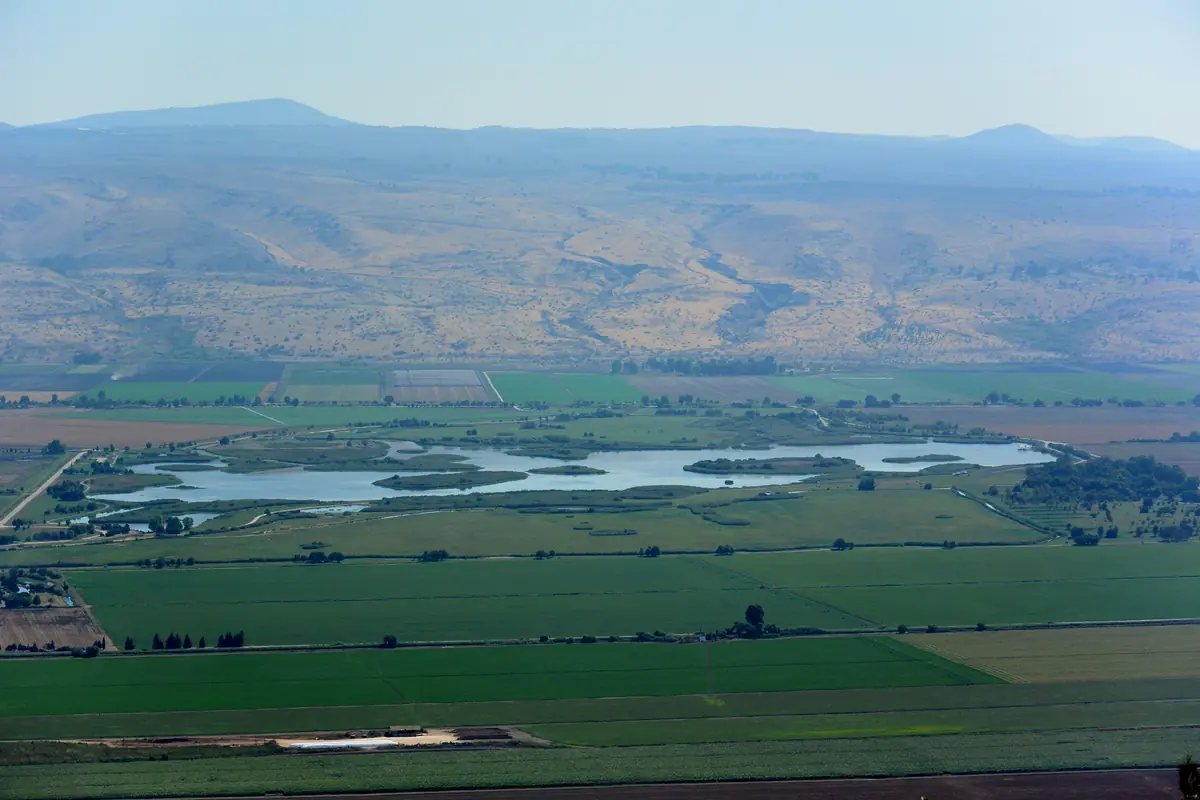
Jabin, king of Hazor, gathers the kings of the north "at the waters of Merom", where Joshua surprises and routs them (Joshua 11:5-7). In 1714 the scholar Adriaan Reland identified these waters with Lake Hula, and many 19th-century writers followed him. Most scholars today doubt it: the text speaks of "waters", not a lake, and the lake was ringed by swamps. Springs in Upper Galilee, near Meron or Jebel Marun, are proposed instead. Josephus himself places the battle near Kedesh (Antiquities 5.63). The Hula identification is therefore an old tradition, now debated.
Laish, "a place where there is no want" (Judges 18)
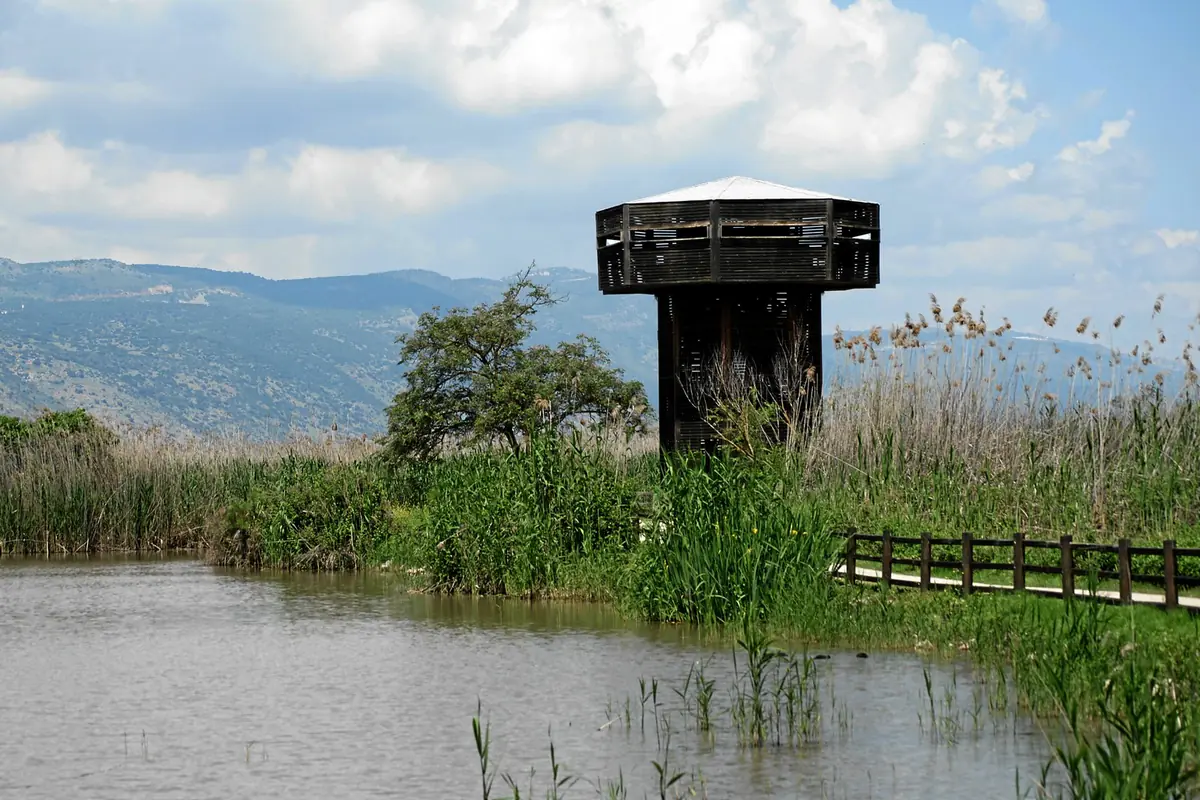
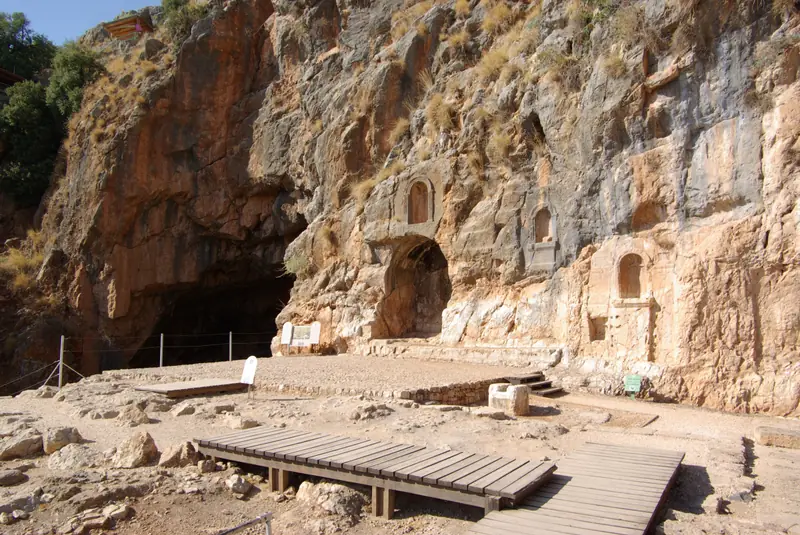
The five spies of the tribe of Dan find a quiet city in the north, Laish, in a land that is "large", "a place where there is no want of any thing that is in the earth" (Judges 18:7-10). The tribe takes it and renames it Dan. The text adds that it lay "in the valley that lieth by Bethrehob" (Judges 18:28). Laish is Tel Dan, at the north end of the Hula; Beth-rehob is unlocated, but the valley of this verse is very probably the Hula.
The cities around the valley
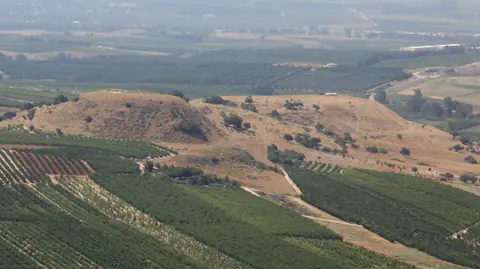
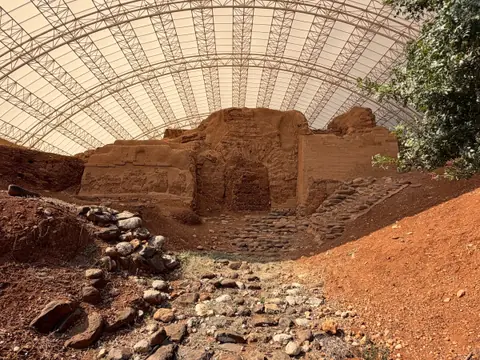
According to Josephus, Hazor "lies above Lake Semachonitis" (Antiquities 5.199): Jabin's capital, destroyed by Joshua, then fortified by Solomon (1 Kings 9:15). On the heights to the west lies Kedesh of Naphtali, a city of refuge (Joshua 20:7) and the home of Barak, the companion of the prophetess Deborah (Judges 4:6). To the north, near Metula, the mound of Abel Beth Maacah overlooks the narrow tip of the valley: a wise woman saves her city there during Sheba's revolt (2 Samuel 20:14-22). These cities belong to the land the Bible gives to Naphtali (Joshua 19:32-39).
"In the days of Pekah king of Israel came Tiglathpileser king of Assyria, and took Ijon, and Abelbethmaachah, and Janoah, and Kedesh, and Hazor, and Gilead, and Galilee, all the land of Naphtali, and carried them captive to Assyria."
2 Kings 15:29 (KJV)
This verse tells of the fall of the whole region, around 732 BCE. The list roughly follows the valley from north to south. For the period, see the Judges and Kings of Israel.