
In brief
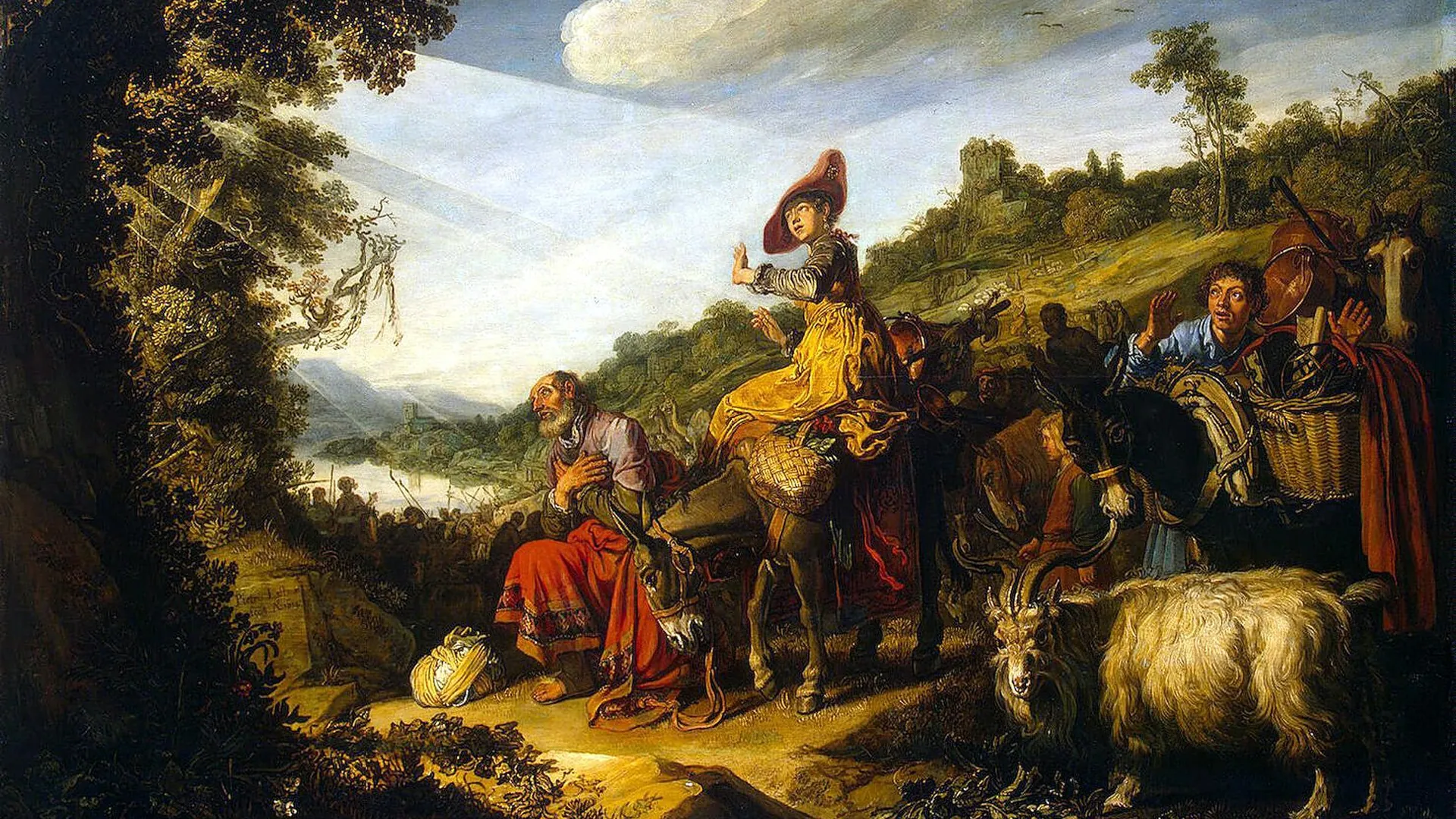
Abraham is the first of the Bible's patriarchs. According to Genesis (chapters 11 to 25), he leaves Ur of the Chaldeans, stops at Harran, then settles in Canaan, where he makes a covenant with God. Jews, Christians and Muslims see him as the model of faith in one God.
- His route: Ur, Harran, Shechem, Bethel, Egypt, Hebron, Beersheba and Mount Moriah.
- There is no direct archaeological evidence that he existed; the towns in the story did exist in the Middle Bronze Age.
- According to the Bible, he is buried in the Cave of Machpelah in Hebron, beneath the Tomb of the Patriarchs.
Abraham — Avraham in Hebrew, Ibrahim in Arabic — is the central figure of the three great monotheistic religions and remains one of the most influential characters in humanity's spiritual history. The Book of Genesis (chapters 11 to 25) tells how this son of Terah left Ur of the Chaldees, stopped at Haran and then reached the land of Canaan, where he built altars, entered into a covenant with God and bought the cave of Machpelah at Hebron.
This article follows the journey of the first patriarch, looks at his place in Judaism, Christianity and Islam, and reviews what archaeology can — and cannot — tell us about him.
Abraham's Origins: From Mesopotamia to Canaan
Ur of the Chaldees
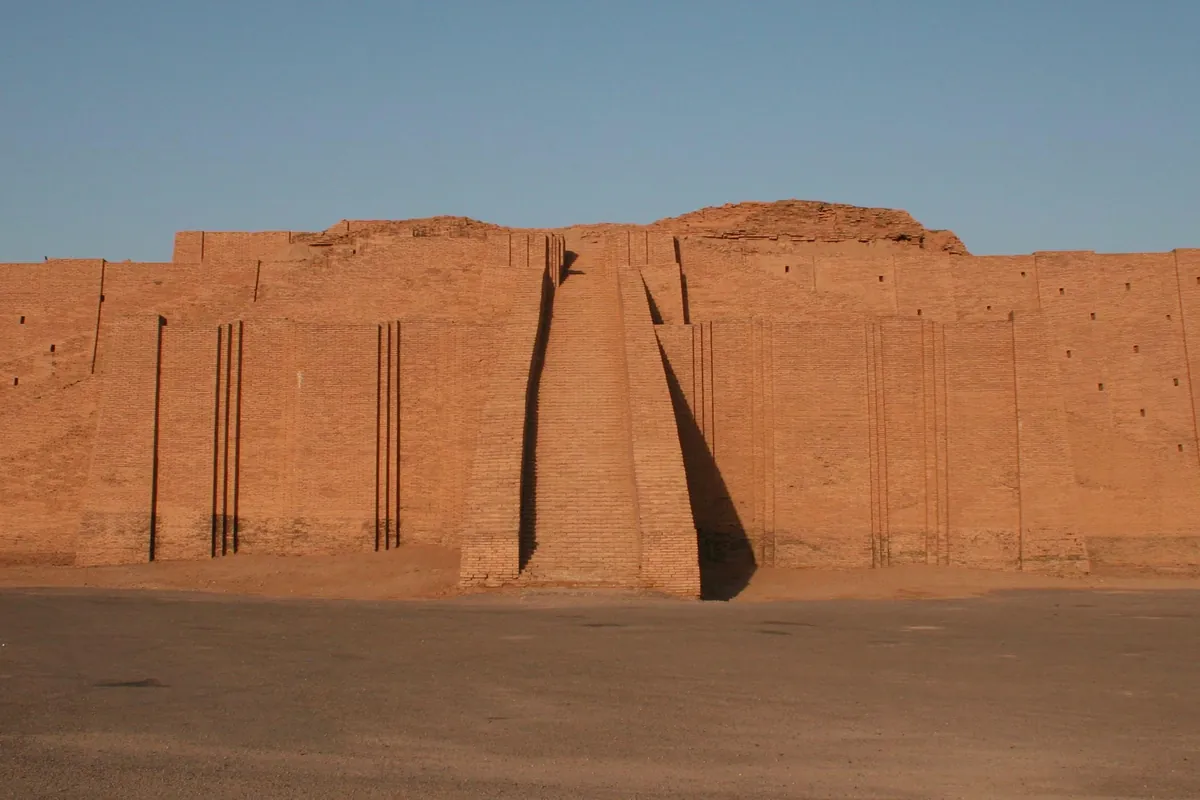
According to Genesis 11:27-31, Abram — his name before the covenant — was born in Ur Kasdim, "Ur of the Chaldees", into the family of Terah, with his brothers Nahor and Haran. The genealogy just before (Genesis 11:10-26) traces his descent from Shem, son of Noah, whose ark came to rest, according to Genesis 8:4, on the mountains of Ararat, which tradition identifies with Mount Ararat. Most scholars identify the city with Tell el-Muqayyar in southern Iraq, excavated by the British archaeologist Leonard Woolley between 1922 and 1934: a great Sumerian city dominated by the ziggurat of the moon god Nanna, built under King Ur-Nammu (21st century BCE). Traditional biblical chronology places Abraham at the beginning of the second millennium BCE.
📌 Another tradition
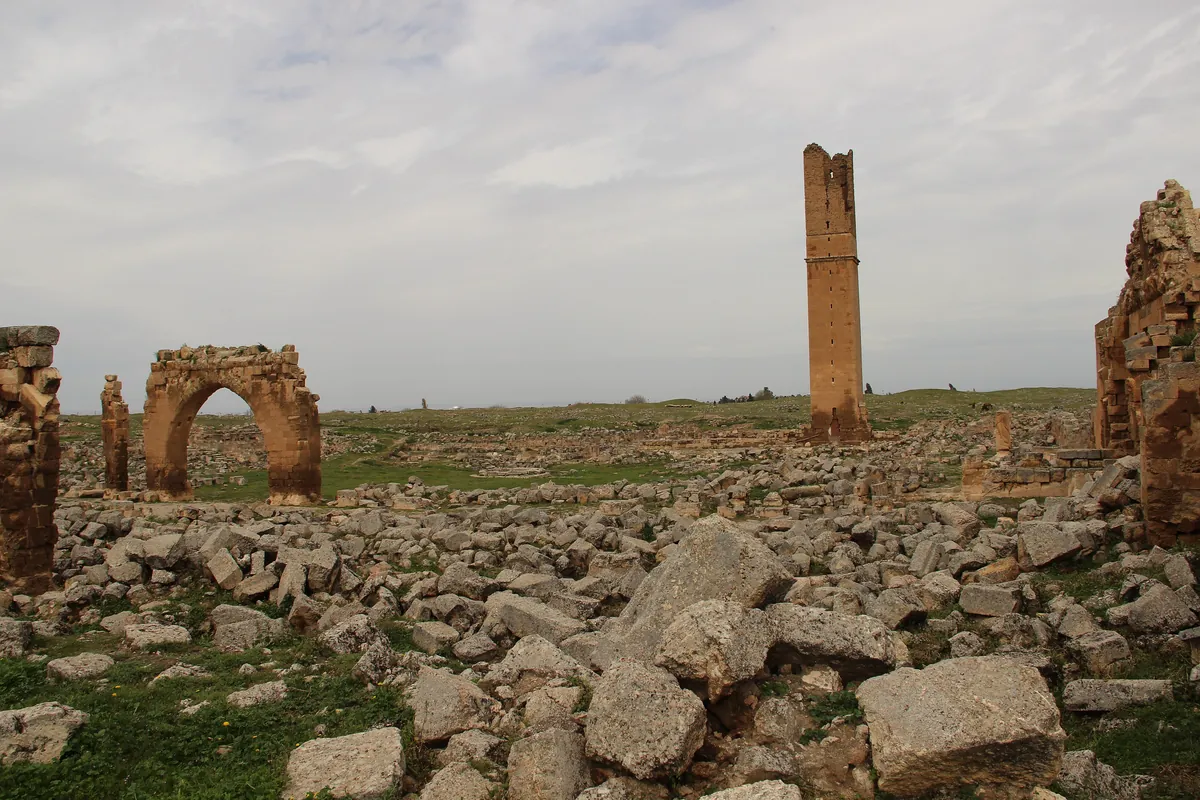
An ancient tradition, still alive in Turkey, places Ur near Urfa (Şanlıurfa), not far from Haran. The phrase "of the Chaldees" is also anachronistic for the patriarchal age: the Chaldeans only appear in Mesopotamian sources in the first millennium BCE, a sign that the story was written down much later.
Haran, the northern stage
Terah took Abram, his wife Sarai and his grandson Lot towards Canaan, but the family settled in Haran, in upper Mesopotamia (today in south-eastern Turkey). Like Ur, Haran was a major centre of the moon god, worshipped there as Sin — a parallel often noted by historians. It was there, after Terah's death, that the divine call came.
"Now the LORD had said unto Abram, Get thee out of thy country, and from thy kindred, and from thy father's house, unto a land that I will shew thee: and I will make of thee a great nation, and I will bless thee, and make thy name great; and thou shalt be a blessing."
Genesis 12:1-2 (KJV)
Abram was then seventy-five years old (Genesis 12:4). He set out with Sarai, Lot, their flocks and their whole household: the journey to the promised land had begun.
Abraham's Journey Through Canaan
The narrative then follows Abraham along the "Way of the Patriarchs", the north–south ridge route through the hills of Samaria and Judea, and on into the Negev. Each stage is marked by an altar, a well or a purchase:
- Shechem — by the oak of Moreh, God promises the land to his descendants; Abram builds his first altar there (Genesis 12:6-7).
- Bethel and Ai — he pitches his tent between the two towns and "calls upon the name of the LORD" (Genesis 12:8; 13:3-4).
- Egypt — a famine drives him down to Egypt before he returns to the Negev (Genesis 12:10 to 13:1).
- Hebron (Mamre) — after parting from Lot, he settles by the oaks of Mamre near Hebron (Genesis 13:18); there he welcomes the three visitors (Genesis 18).
- Beersheba — at Beersheba, the "well of the oath", he makes a covenant with Abimelech over a well and plants a tamarisk tree (Genesis 21:22-33).
- Mount Moriah — the place of the binding of Isaac (Genesis 22), identified in Jewish tradition with the Temple Mount in Jerusalem (2 Chronicles 3:1).
- Machpelah — Abraham buys the cave to bury Sarah (Genesis 23); he himself is buried there by Isaac and Ishmael (Genesis 25:9).
The route traces a true geography of promise: Abraham crosses the land from north to south, builds altars and digs wells, yet never owns anything in it but a tomb.
The Covenant: A Founding Pact
At the heart of the Abraham story lies the covenant (berit in Hebrew) between God and Abraham. It unfolds in several stages.
The promise of descendants and a land
In the scene known as the "covenant between the pieces" (Genesis 15), God invites Abram to look at the stars: so shall his offspring be. The text then adds a verse that became central to both Jewish and Christian reflection on faith:
"And he believed in the LORD; and he counted it to him for righteousness."
Genesis 15:6 (KJV)
God then "cuts" the covenant by passing, in the form of fire, between the halves of divided animals — a ritual of commitment echoed elsewhere in the Bible (Jeremiah 34:18).
Abram becomes Abraham
In Genesis 17 the covenant is sealed by circumcision (brit milah) and by a change of name: Abram ("exalted father") becomes Abraham, understood as "father of a multitude of nations", and Sarai becomes Sarah. Isaac is born to Sarah in the couple's old age, while Ishmael, Hagar's son, also receives a blessing (Genesis 17:20).
The trial on Mount Moriah
The story reaches its climax with the binding of Isaac (Akedah, Genesis 22): God asks Abraham to offer his son on "one of the mountains" in the land of Moriah, then an angel stays his hand and a ram is offered instead. For Jewish tradition this is the supreme test of Abraham's trust; many readers also see in it a rejection of the human sacrifice practised in the surrounding world.
Abraham in the Three Monotheistic Religions
In Judaism
Abraham is the first of the three patriarchs, Avraham Avinu, "Abraham our father", ancestor of the Jewish people through Isaac and Jacob. Rabbinic tradition portrays him as the first to recognise the one God: a famous midrash (Genesis Rabbah 38) shows him smashing the idols of his father Terah. His hospitality towards the three visitors at Mamre (Genesis 18) became an ethical model.
In Christianity
The New Testament presents Abraham as the father of all who believe (Romans 4:11-16). The apostle Paul builds on Genesis 15:6 to speak of justification by faith, and the Epistle to the Hebrews (11:8-19) holds up his departure and the trial of Moriah as examples of faith.
In Islam
Ibrahim is one of the greatest prophets of the Qur'an, which calls him a hanif — a believer in the one God before the Torah and the Gospel — and the "friend of God" (Khalil Allah, Surah 4:125). According to the Qur'an, he and his son Ishmael raised the foundations of the Kaaba in Mecca (Surah 2:127).
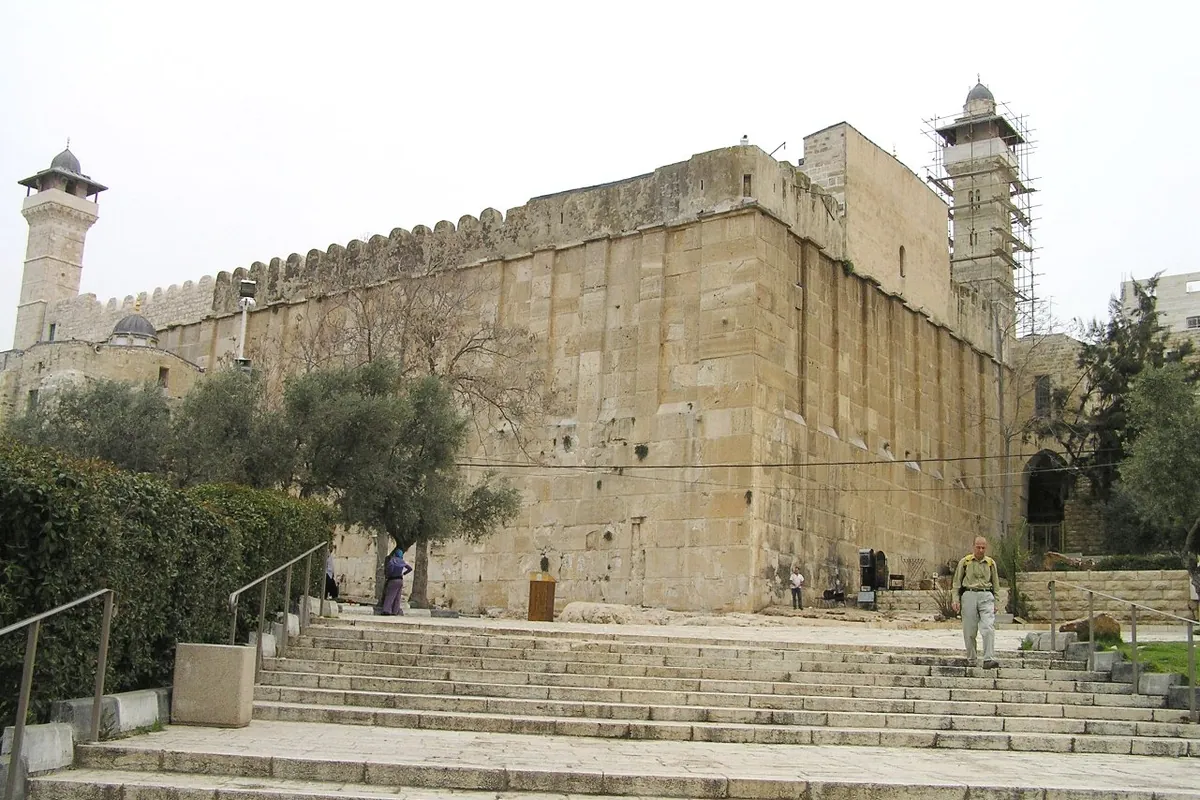
This shared memory has a very concrete expression: in Hebron, the Tomb of the Patriarchs is both a synagogue and a mosque, where Jews and Muslims pray in separate areas.
Archaeology and Historicity: What Do We Really Know?
🔎 Historical note
Abraham's existence as an individual cannot be confirmed directly by archaeology. Research provides a plausible context for the patriarchal narratives, without amounting to definitive proof.
Abraham's historicity is debated among scholars. No inscription or object mentions the patriarch — and one could hardly expect a semi-nomadic clan chief to leave written records. The debate therefore turns on how well the narratives fit what we know of the ancient Near East.
Arguments for an early setting
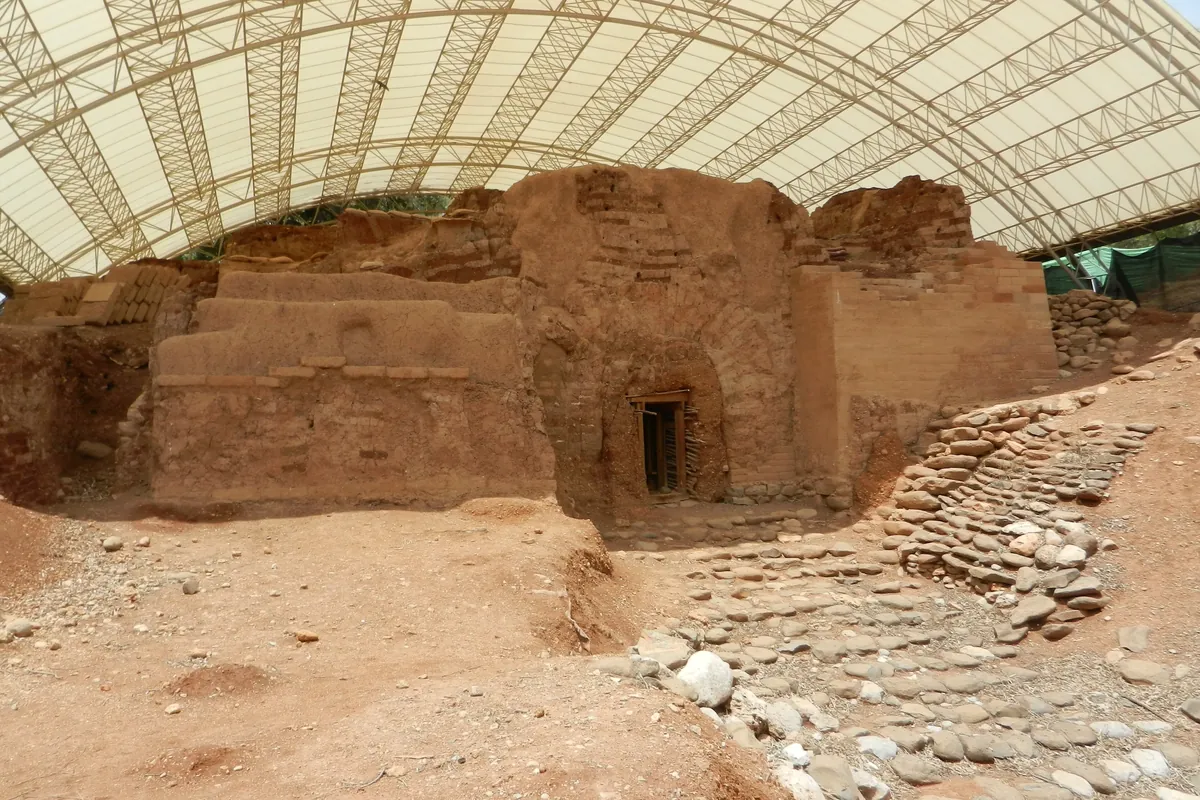
In the mid-20th century, William F. Albright and his school placed the patriarchs in the Middle Bronze Age (c. 2000–1550 BCE), pointing to Amorite migrations, comparable personal names in the Mari archives and family customs recalling the Nuzi tablets. More recently, the Egyptologist Kenneth Kitchen has argued that several details of the patriarchal stories fit the second millennium. Indeed, several towns in the narrative — Shechem, Hebron, Dan — were fortified cities in the Middle Bronze Age: the mudbrick gate of Tel Dan, nicknamed "Abraham's Gate", dates from that period (around the 18th century BCE).
Signs of later composition
From the 1970s onwards, Thomas L. Thompson and John Van Seters showed that these parallels were not unique to the second millennium. Several details rather reflect the Iron Age (first millennium BCE): domesticated camels, which only spread in the southern Levant around the 10th century BCE according to bones from the Arava valley; the Philistines (Genesis 21 and 26), who settled on the coast around the 12th century; and the "Chaldeans". Finally, excavations on the mound of Beersheba have revealed no Middle Bronze Age occupation.
Many scholars now think the patriarchal narratives were written down in the first millennium BCE while preserving older traditions and memories; others maintain a historical core in the second millennium. Either way, archaeology neither "proves" nor "disproves" Abraham: it sheds light on the world in which his stories arose and were handed down.
Abraham's Spiritual Legacy Today
Abraham's influence transcends the centuries. His faith and his readiness to listen to God and set out on the road embody universal spiritual values. Three traits recur in every tradition:
- Trust — going out "not knowing whither he went" (Hebrews 11:8), relying on a promise alone;
- Hospitality — the open tent at Mamre, where he runs to meet three strangers (Genesis 18:1-8);
- Intercession — Abraham pleads for the righteous of Sodom and dares to argue with God (Genesis 18:23-33).
Today people readily speak of the "Abrahamic religions" to describe Judaism, Christianity and Islam. The expression points to a common heritage, but also to the diversity of the three traditions' readings — and to the tensions sometimes raised by the holy places they share.
In Abraham's Footsteps in Israel
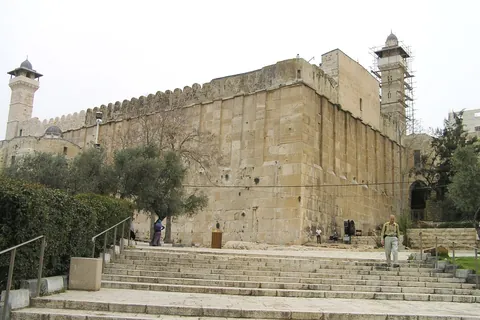 Hebron, Judaean HillsTomb of the Patriarchs – HebronA sacred site venerated by the three monotheistic religions, the traditional burial place of Abraham, Isaac and Jacob.View site →
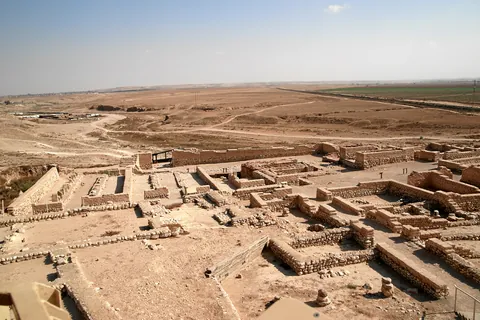 Negev, BeershebaBeersheba: the Well of the Oath and Abraham's TamariskAt Beersheba, Abraham seals a covenant with Abimelech over a well, plants a tamarisk and calls on the name of the Everlasting God.View site →
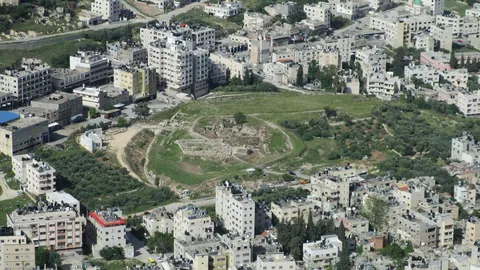 Nablus, Samarian hillsShechem (Tel Balata) – Abraham's First Altar in CanaanBetween Mount Ebal and Mount Gerizim, the place of God's first promise and Abraham's first altar in the Promised Land (Genesis 12:6-7).View site →
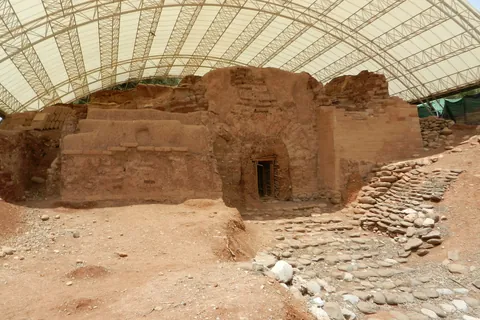 Upper Galilee, springs of the JordanTel Dan (Laish): On the Trail of Abraham's PursuitFrom Genesis 14 to the "House of David" stele: archaeology, nature and biblical history at the springs of the Jordan.View site →
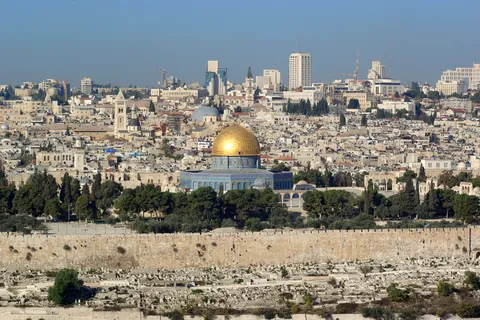 Old City of JerusalemMount Moriah: Abraham's Test, from the Biblical Story to the Temple MountWhere tradition places Abraham's test now stands the Temple Mount, one of the holiest sites in Judaism and Islam.View site →
Some of these sites, in Judea and Samaria, are subject to specific access conditions: check before you go. To place them within the wider story, see our feature on the age of the Patriarchs, then add them to a personalised itinerary.
To link these stops together, create your tour in the footsteps of Abraham with our free tool.
Sources and references
- Genesis, chapters 11–25 (Hebrew text and translations on Sefaria)
- C. Leonard Woolley, Ur of the Chaldees, London, Ernest Benn, 1929
- Thomas L. Thompson, The Historicity of the Patriarchal Narratives, Berlin, De Gruyter, 1974
- John Van Seters, Abraham in History and Tradition, New Haven, Yale University Press, 1975
- Kenneth A. Kitchen, On the Reliability of the Old Testament, Grand Rapids, Eerdmans, 2003
- Israel Finkelstein and Neil Asher Silberman, The Bible Unearthed, New York, Free Press, 2001
- Lidar Sapir-Hen and Erez Ben-Yosef, "The Introduction of Domestic Camels to the Southern Levant", Tel Aviv 40 (2013)
- UNESCO — Biblical Tels: Megiddo, Hazor, Beer Sheba
Frequently asked questions
Who was Abraham in the Bible?
Abraham is the first of the biblical patriarchs, ancestor of the Israelites through Isaac and Jacob and, according to Genesis, of other peoples through Ishmael. His story fills chapters 11 to 25 of Genesis.
Where did Abraham come from?
According to Genesis 11, from Ur of the Chaldees, usually identified with Tell el-Muqayyar in southern Iraq; another tradition places it near Urfa in Turkey. The family then settled in Haran before Abraham went on to Canaan.
Is there archaeological evidence for Abraham?
No, there is no direct evidence. Archaeology shows that several towns in the story (Shechem, Hebron, Dan) existed in the Middle Bronze Age, but some details point to the first millennium BCE, so the date of the traditions remains debated.
Why is Abraham important to the three monotheistic religions?
Judaism sees him as "Abraham our father", Christianity as the father of believers (Romans 4) and Islam as a great prophet, Ibrahim, friend of God and builder of the Kaaba. All regard him as the model of faith in one God.
What was Abraham's route?
Ur, Haran, then in Canaan: Shechem, Bethel, a stay in Egypt, Hebron (Mamre), Beersheba and Mount Moriah. He was buried in the cave of Machpelah at Hebron.
What does the binding of Isaac symbolise?
The binding of Isaac (Akedah, Genesis 22) represents the supreme test of Abraham's faith and obedience. The act, halted by the angel, is also read as a rejection of human sacrifice; tradition places the scene on Mount Moriah in Jerusalem.
Where is Abraham buried?
In the cave of Machpelah at Hebron, which he had bought to bury Sarah (Genesis 23 and 25:9). The Tomb of the Patriarchs, whose monumental enclosure dates from Herod, marks the site.
Places to visit
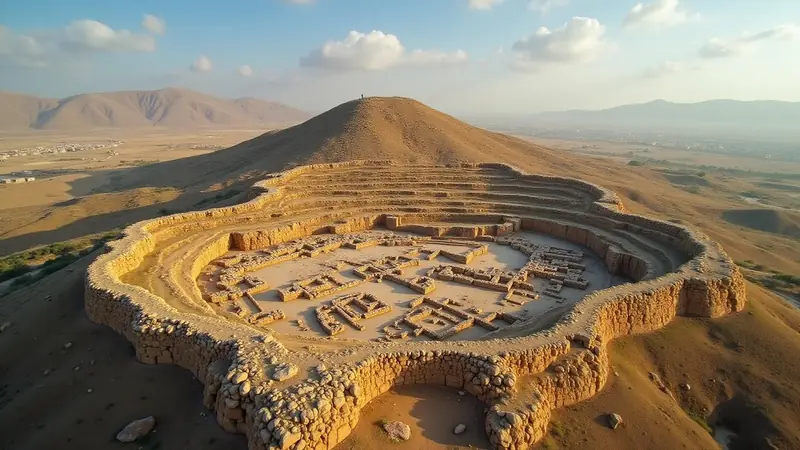
Shechem (Tel Balata) – Abraham's First Altar in Canaan
Between Mount Ebal and Mount Gerizim, the place of God's first promise and Abraham's first altar in the Promised Land (Genesis 12:6-7).
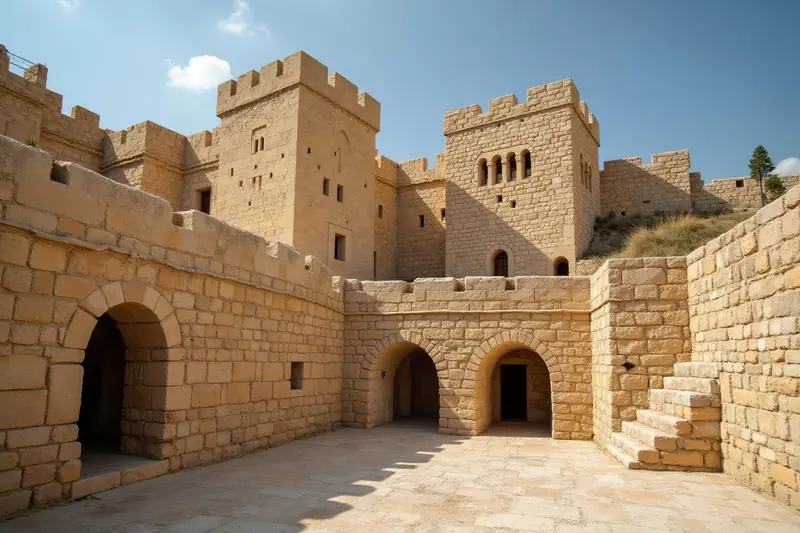
Tomb of the Patriarchs – Hebron
A sacred site venerated by the three monotheistic religions, the traditional burial place of Abraham, Isaac and Jacob.
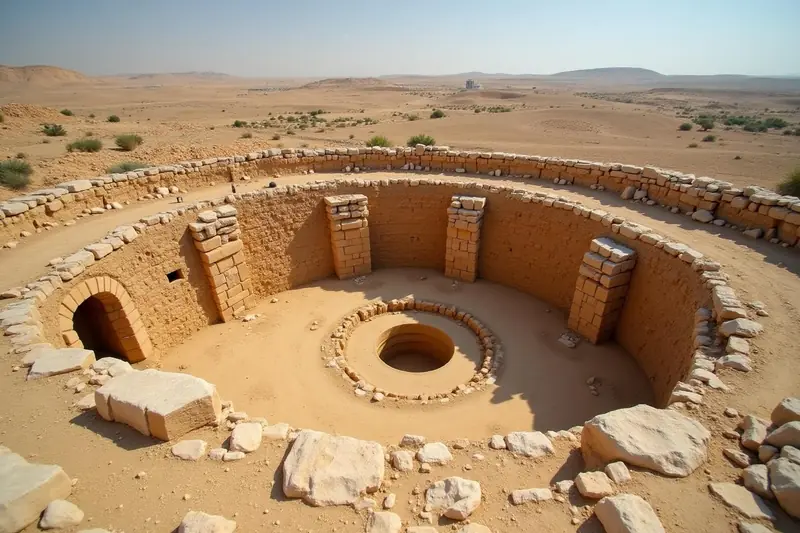
Beersheba: the Well of the Oath and Abraham's Tamarisk
At Beersheba, Abraham seals a covenant with Abimelech over a well, plants a tamarisk and calls on the name of the Everlasting God.
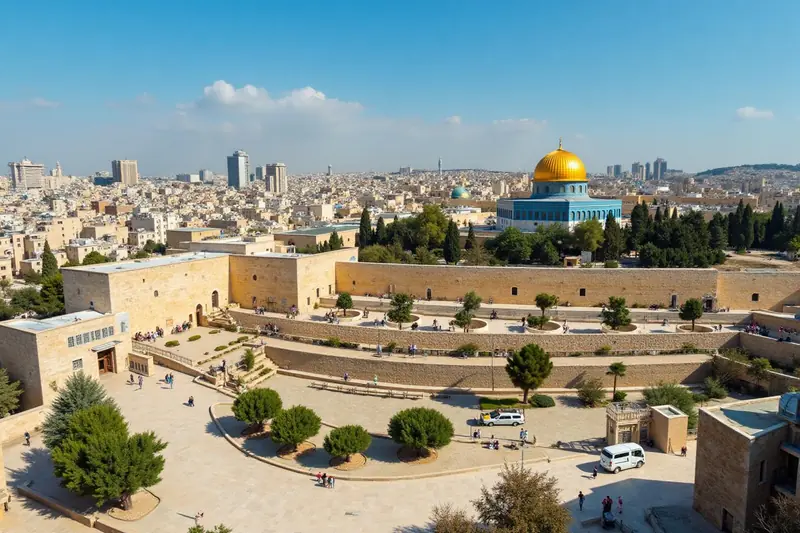
Mount Moriah: Abraham's Test, from the Biblical Story to the Temple Mount
Where tradition places Abraham's test now stands the Temple Mount, one of the holiest sites in Judaism and Islam.
Read next
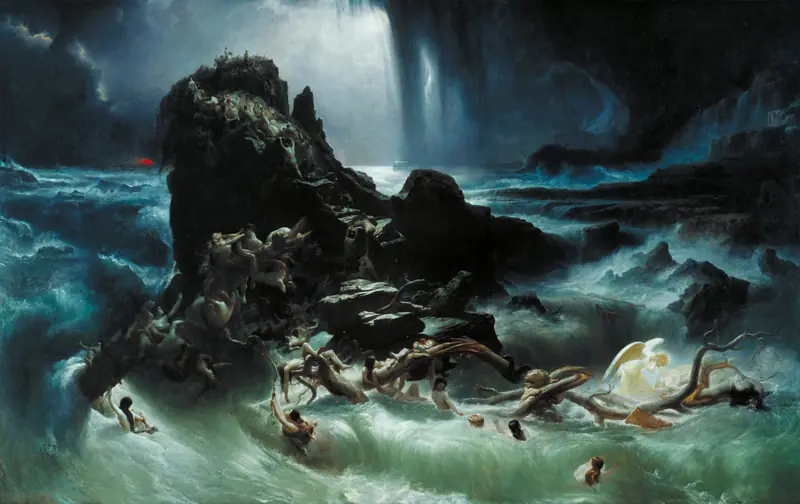
The Flood Around the World: Ancient Stories and Archaeological Witnesses
India, China, Greece, the Americas, Mesopotamia: flood stories around the world and three ancient tablets that record them, set beside the story of Noah.
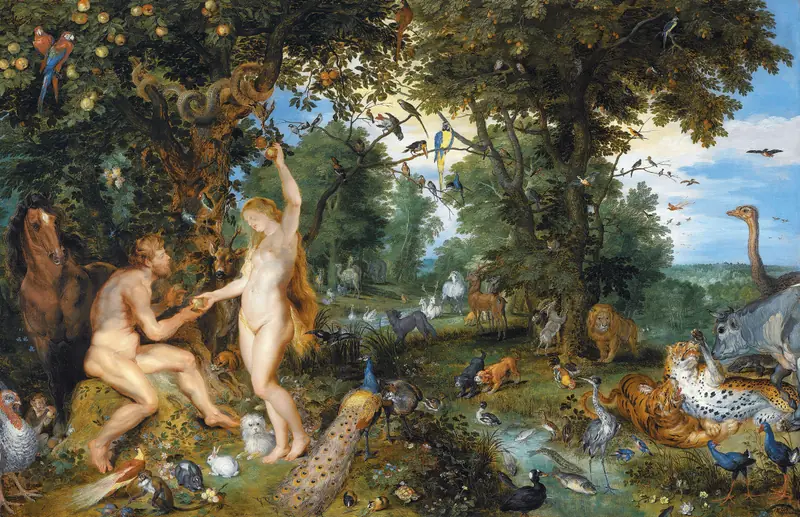
Where Was the Garden of Eden? The Four Rivers, Mesopotamia and Hebron
Tigris, Euphrates, the Persian Gulf or Hebron? What Genesis says about the Garden of Eden, what scholars suggest, and the traditions that link it to Israel.